From Awareness to Aesthetic: How Social Media Is Reframing Anxiety

In the last few years, social media has become one of the most influential spaces for mental health discourse, especially among younger users. Hashtags like #anxiety, #mentalhealth, and creative aesthetic formats such as calming reels, text-over-laid visuals, and pastel-toned infographics have made conversations about anxiety more visible and “Instagram-worthy.” But this new form of communication is reshaping what people think anxiety looks and feels like, for better and for worse.
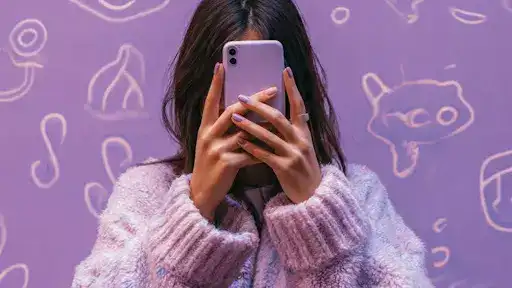
The Rise of Aesthetic Mental Health Content
Platforms like TikTok and Instagram have given rise to a wave of mental health creators who use visually appealing content to talk about anxiety and stress. This style ranges from minimalist quotes and GIFs to soothing video edits that pair moody music with text about anxious thoughts. For many young people, these posts feel relatable and validating, helping reduce stigma around talking openly about mental health.
Indeed, researchers have found that social media can both promote perceived social support and decrease some levels of anxiety when positive interactions occur, and users feel connected.
The Rise of Aesthetic Mental Health Content
Platforms like TikTok and Instagram have given rise to a wave of mental health creators who use visually appealing content to talk about anxiety and stress. This style ranges from minimalist quotes and GIFs to soothing video edits that pair moody music with text about anxious thoughts. For many young people, these posts feel relatable and validating, helping reduce stigma around talking openly about mental health.
Indeed, researchers have found that social media can both promote perceived social support and decrease some levels of anxiety when positive interactions occur, and users feel connected.
Next Story