
From Nehru's Hope to Modi's Warning: What Happened?


For decades, India's relationship with Pakistan has been one of the most complicated stories in global politics. But here's a question few people stop to ask: How did India go from viewing Pakistan as a separated brother to treating it primarily as a security challenge?
The answer lies in the vastly different worlds that shaped two of India's most influential Prime Ministers Jawaharlal Nehru and Narendra Modi. One believed reconciliation could heal old wounds. The other believes security must come before dialogue. The transformation didn't happen overnight. It was forged through wars, terror attacks, broken peace initiatives, and changing realities. And understanding this shift reveals a fascinating truth about modern India.
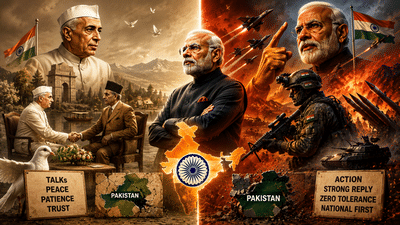
Nehru Saw Pakistan as a Lost Family Member
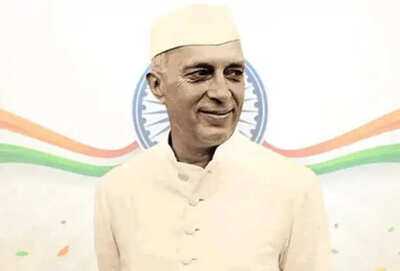
After Partition, Nehru viewed Pakistan through the lens of shared history, culture, and geography. Although he fought Pakistan during the first Kashmir conflict, he still believed the two nations were deeply interconnected. His approach emphasized dialogue, diplomacy, and long-term reconciliation. Nehru felt that conflict would ultimately harm both countries because their destinies remained linked. This belief became the foundation of India's early Pakistan policy and influenced major decisions for years.
The Kashmir Decision Changed Everything
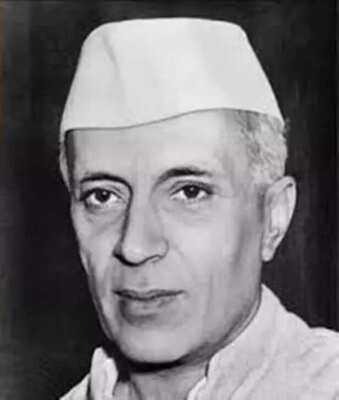
One of Nehru's most debated decisions was taking the Kashmir dispute to the United Nations in 1948. He believed international diplomacy could help resolve the crisis. For Nehru, global institutions offered legitimacy and a pathway to peace. Critics later argued that internationalizing the issue complicated India's position. Decades later, this decision would become one of the sharpest contrasts between Nehru's approach and Modi's policy.
Modi Began With an Unexpected Peace OfferMany people forget that Modi started with attempts at reconciliation. He invited Pakistan's leadership to his swearing-in ceremony and even made a surprise visit to Lahore in 2015. The move stunned observers and created hope for improved ties. However, optimism quickly faded as terror attacks continued. The repeated setbacks convinced New Delhi that goodwill alone could not guarantee peace, setting the stage for a major policy shift.
Terror Attacks Rewrote India's StrategyThe Uri attack in 2016 became a watershed moment. Instead of relying solely on diplomatic protests, India launched surgical strikes across the Line of Control. Later, the Balakot airstrike reinforced this new doctrine. For the first time, India publicly highlighted cross-border military responses. The message was clear: attacks would carry visible consequences. This marked a significant departure from earlier approaches and introduced deterrence as a central pillar of policy.
From Dialogue First to Security FirstNehru believed dialogue could create conditions for peace. Modi's doctrine reverses that sequence. Under the current framework, meaningful talks can happen only after concrete action against terrorism. This shift reflects decades of frustration with peace initiatives that failed to produce lasting stability. The focus moved from building trust first to demanding accountability first. It represents one of the biggest strategic changes in India's foreign policy history.
The Water Treaty Reveals the DifferenceNehru viewed the Indus Waters Treaty as proof that cooperation could survive political tensions. Even amid disagreements, he believed practical partnerships were possible. Modi's government has increasingly linked water discussions with broader security concerns. The phrase "blood and water cannot flow together" became symbolic of this thinking. The treaty itself remains, but the way it is viewed reflects a dramatic change in strategic priorities.
Two Leaders, Two Different RealitiesNehru governed in the shadow of Partition, when hopes for reconciliation still existed. Modi leads after decades marked by wars, insurgencies, and repeated terror attacks. Their policies reflect the realities of their times. Nehru's era encouraged optimism about eventual peace. Modi's era prioritizes deterrence and national security. Understanding this context explains why their approaches appear so different despite serving the same nation.
Unlock insightful tips and inspiration on personal growth, productivity, and well-being. Stay motivated and updated with the latest at My Life XP.
Frequently Asked Questions (FAQs)1. Why did Nehru and Modi have such different approaches toward Pakistan?
Nehru's policy was shaped by the immediate aftermath of Partition, when he believed India and Pakistan still shared deep historical and cultural ties. Modi's approach has been influenced by decades of wars, cross-border terrorism, and security concerns, leading to a stronger focus on deterrence and national security.
2. Did Narendra Modi initially try to improve relations with Pakistan?
Yes. After becoming Prime Minister in 2014, Modi invited Pakistan's leadership to his swearing-in ceremony and made a surprise visit to Lahore in 2015. However, repeated terror attacks led India to adopt a tougher stance.
3. What was Nehru's position on the Kashmir issue?
Nehru took the Kashmir dispute to the United Nations in 1948 and believed international diplomacy could help resolve the conflict. He also discussed the possibility of a plebiscite under certain conditions.
4. How is Modi's Kashmir policy different from Nehru's?
Modi's government considers Jammu and Kashmir an internal matter and rejects third-party mediation. In 2019, it revoked the region's special status, marking a significant shift from earlier approaches.
5. What are the surgical strikes and why are they important?
The 2016 surgical strikes were military operations conducted by India across the Line of Control following the Uri terror attack. They symbolized a more assertive response to cross-border terrorism and became a key feature of Modi's Pakistan policy.
The answer lies in the vastly different worlds that shaped two of India's most influential Prime Ministers Jawaharlal Nehru and Narendra Modi. One believed reconciliation could heal old wounds. The other believes security must come before dialogue. The transformation didn't happen overnight. It was forged through wars, terror attacks, broken peace initiatives, and changing realities. And understanding this shift reveals a fascinating truth about modern India.
Nehru Saw Pakistan as a Lost Family Member
Jawaharlal Nehru believed India and Pakistan remained connected despite Partition.
After Partition, Nehru viewed Pakistan through the lens of shared history, culture, and geography. Although he fought Pakistan during the first Kashmir conflict, he still believed the two nations were deeply interconnected. His approach emphasized dialogue, diplomacy, and long-term reconciliation. Nehru felt that conflict would ultimately harm both countries because their destinies remained linked. This belief became the foundation of India's early Pakistan policy and influenced major decisions for years.
The Kashmir Decision Changed Everything
Kashmir became the defining issue in India-Pakistan relations.
One of Nehru's most debated decisions was taking the Kashmir dispute to the United Nations in 1948. He believed international diplomacy could help resolve the crisis. For Nehru, global institutions offered legitimacy and a pathway to peace. Critics later argued that internationalizing the issue complicated India's position. Decades later, this decision would become one of the sharpest contrasts between Nehru's approach and Modi's policy.
Modi Began With an Unexpected Peace OfferMany people forget that Modi started with attempts at reconciliation. He invited Pakistan's leadership to his swearing-in ceremony and even made a surprise visit to Lahore in 2015. The move stunned observers and created hope for improved ties. However, optimism quickly faded as terror attacks continued. The repeated setbacks convinced New Delhi that goodwill alone could not guarantee peace, setting the stage for a major policy shift.
Terror Attacks Rewrote India's StrategyThe Uri attack in 2016 became a watershed moment. Instead of relying solely on diplomatic protests, India launched surgical strikes across the Line of Control. Later, the Balakot airstrike reinforced this new doctrine. For the first time, India publicly highlighted cross-border military responses. The message was clear: attacks would carry visible consequences. This marked a significant departure from earlier approaches and introduced deterrence as a central pillar of policy.
From Dialogue First to Security FirstNehru believed dialogue could create conditions for peace. Modi's doctrine reverses that sequence. Under the current framework, meaningful talks can happen only after concrete action against terrorism. This shift reflects decades of frustration with peace initiatives that failed to produce lasting stability. The focus moved from building trust first to demanding accountability first. It represents one of the biggest strategic changes in India's foreign policy history.
The Water Treaty Reveals the DifferenceNehru viewed the Indus Waters Treaty as proof that cooperation could survive political tensions. Even amid disagreements, he believed practical partnerships were possible. Modi's government has increasingly linked water discussions with broader security concerns. The phrase "blood and water cannot flow together" became symbolic of this thinking. The treaty itself remains, but the way it is viewed reflects a dramatic change in strategic priorities.
Two Leaders, Two Different RealitiesNehru governed in the shadow of Partition, when hopes for reconciliation still existed. Modi leads after decades marked by wars, insurgencies, and repeated terror attacks. Their policies reflect the realities of their times. Nehru's era encouraged optimism about eventual peace. Modi's era prioritizes deterrence and national security. Understanding this context explains why their approaches appear so different despite serving the same nation.
Unlock insightful tips and inspiration on personal growth, productivity, and well-being. Stay motivated and updated with the latest at My Life XP.
Frequently Asked Questions (FAQs)1. Why did Nehru and Modi have such different approaches toward Pakistan?
Nehru's policy was shaped by the immediate aftermath of Partition, when he believed India and Pakistan still shared deep historical and cultural ties. Modi's approach has been influenced by decades of wars, cross-border terrorism, and security concerns, leading to a stronger focus on deterrence and national security.
Yes. After becoming Prime Minister in 2014, Modi invited Pakistan's leadership to his swearing-in ceremony and made a surprise visit to Lahore in 2015. However, repeated terror attacks led India to adopt a tougher stance.
3. What was Nehru's position on the Kashmir issue?
Nehru took the Kashmir dispute to the United Nations in 1948 and believed international diplomacy could help resolve the conflict. He also discussed the possibility of a plebiscite under certain conditions.
Modi's government considers Jammu and Kashmir an internal matter and rejects third-party mediation. In 2019, it revoked the region's special status, marking a significant shift from earlier approaches.
5. What are the surgical strikes and why are they important?
The 2016 surgical strikes were military operations conducted by India across the Line of Control following the Uri terror attack. They symbolized a more assertive response to cross-border terrorism and became a key feature of Modi's Pakistan policy.
Next Story