
Best Fruits for Diabetes: What to Eat and What to Avoid

Fruits are naturally nutritious, but for people with diabetes, choosing the right fruits and eating them in the right portions is essential. Some fruits help control blood sugar due to their fiber and low glycaemic index (GI), while others can cause sudden sugar spikes if eaten carelessly.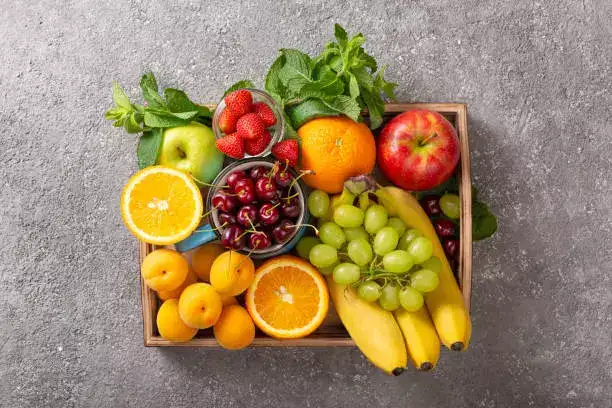
Best Fruits to Eat for Diabetes
Berries (Strawberries, Blueberries, Raspberries)
Low in sugar and high in fiber and antioxidants, berries help slow glucose absorption and support insulin sensitivity.
Apples
Rich in soluble fiber, apples help regulate blood sugar levels. Eating them whole with the skin is more beneficial than drinking apple juice.
Guava
Guava has a low GI and is packed with fiber and vitamin C. It supports digestion and helps maintain stable blood sugar levels.
Pears
Pears are high in fiber and have a mild sweetness, making them suitable for diabetics when consumed in moderation.
Citrus Fruits (Oranges, Sweet Lime, Grapefruit)
These fruits are rich in fiber and vitamin C. Whole citrus fruits are preferred over juices to avoid rapid sugar spikes.
Kiwi
Kiwi is low in carbohydrates and high in fiber, making it a smart fruit choice for diabetes-friendly diets.
Cherries
Cherries have a low GI and contain antioxidants that may help improve insulin response when eaten in small portions.
Fruits to Eat in Moderation
Papaya
While nutritious and good for digestion, papaya contains moderate natural sugars and should be eaten in controlled portions.
Pomegranate
Pomegranate seeds are healthy but slightly higher in sugar. Small servings are recommended.
Fruits to Avoid or Limit
Bananas
High in natural sugars and carbohydrates, bananas can quickly raise blood sugar levels, especially when ripe.
Mangoes
Though nutritious, mangoes are high in sugar and should be avoided or eaten only occasionally in very small portions.
Grapes
Grapes contain concentrated natural sugars and can cause rapid glucose spikes.
Chikoo (Sapota)
Chikoo is very high in sugar and is best avoided by people with diabetes.
Pineapple
Pineapple has a high GI and should be limited or avoided, especially in juice form.
Smart Tips for Eating Fruit with Diabetes
With the right fruit choices and mindful eating habits, people with diabetes can enjoy fruits safely while keeping blood sugar levels under control.
Best Fruits to Eat for Diabetes
Berries (Strawberries, Blueberries, Raspberries)
Low in sugar and high in fiber and antioxidants, berries help slow glucose absorption and support insulin sensitivity.
Apples
Rich in soluble fiber, apples help regulate blood sugar levels. Eating them whole with the skin is more beneficial than drinking apple juice.
Guava
Guava has a low GI and is packed with fiber and vitamin C. It supports digestion and helps maintain stable blood sugar levels.
Pears
Pears are high in fiber and have a mild sweetness, making them suitable for diabetics when consumed in moderation.
Citrus Fruits (Oranges, Sweet Lime, Grapefruit)
These fruits are rich in fiber and vitamin C. Whole citrus fruits are preferred over juices to avoid rapid sugar spikes.
Kiwi
Kiwi is low in carbohydrates and high in fiber, making it a smart fruit choice for diabetes-friendly diets.
Cherries
Cherries have a low GI and contain antioxidants that may help improve insulin response when eaten in small portions.
Fruits to Eat in Moderation
Papaya
While nutritious and good for digestion, papaya contains moderate natural sugars and should be eaten in controlled portions.
You may also like
- Word of the day: Vituperate
- In 1906, San Francisco lost more than 28,000 buildings to earthquake and fire: How the disaster reshaped the city's architecture and changed how America builds for earthquakes
- Why Your Beard Itches So Much and How You Can Finally Stop It
- 7 Things That Make Your Face Look Puffy Every Morning When You Rise
- The God Who Sleeps—and the Age That Cannot
Pomegranate
Pomegranate seeds are healthy but slightly higher in sugar. Small servings are recommended.
Fruits to Avoid or Limit
Bananas
High in natural sugars and carbohydrates, bananas can quickly raise blood sugar levels, especially when ripe.
Mangoes
Though nutritious, mangoes are high in sugar and should be avoided or eaten only occasionally in very small portions.
Grapes
Grapes contain concentrated natural sugars and can cause rapid glucose spikes.
Chikoo (Sapota)
Chikoo is very high in sugar and is best avoided by people with diabetes.
Pineapple
Pineapple has a high GI and should be limited or avoided, especially in juice form.
Smart Tips for Eating Fruit with Diabetes
- Always choose whole fruits over fruit juices
- Stick to small portions
- Pair fruits with nuts, seeds, or yogurt to slow sugar absorption
- Monitor blood sugar levels after eating new fruits
With the right fruit choices and mindful eating habits, people with diabetes can enjoy fruits safely while keeping blood sugar levels under control.






Loving Newspoint? Download the app now
