
Fruits You Should Eat With the Peel for Maximum Nutrition

Most of us have a habit of peeling fruits before eating them. It feels cleaner, looks neater and sometimes simply seems like the right thing to do. However, in many cases, throwing away the peel also means throwing away some of the fruit's most valuable nutrients. Fruit skins are often packed with fibre, antioxidants, vitamins and plant compounds that support everything from digestion to heart health. Of course, not every fruit peel is edible, but for several everyday fruits, keeping the skin on can make a noticeable difference to their nutritional value. The key is knowing which ones are worth eating and how to prepare them safely.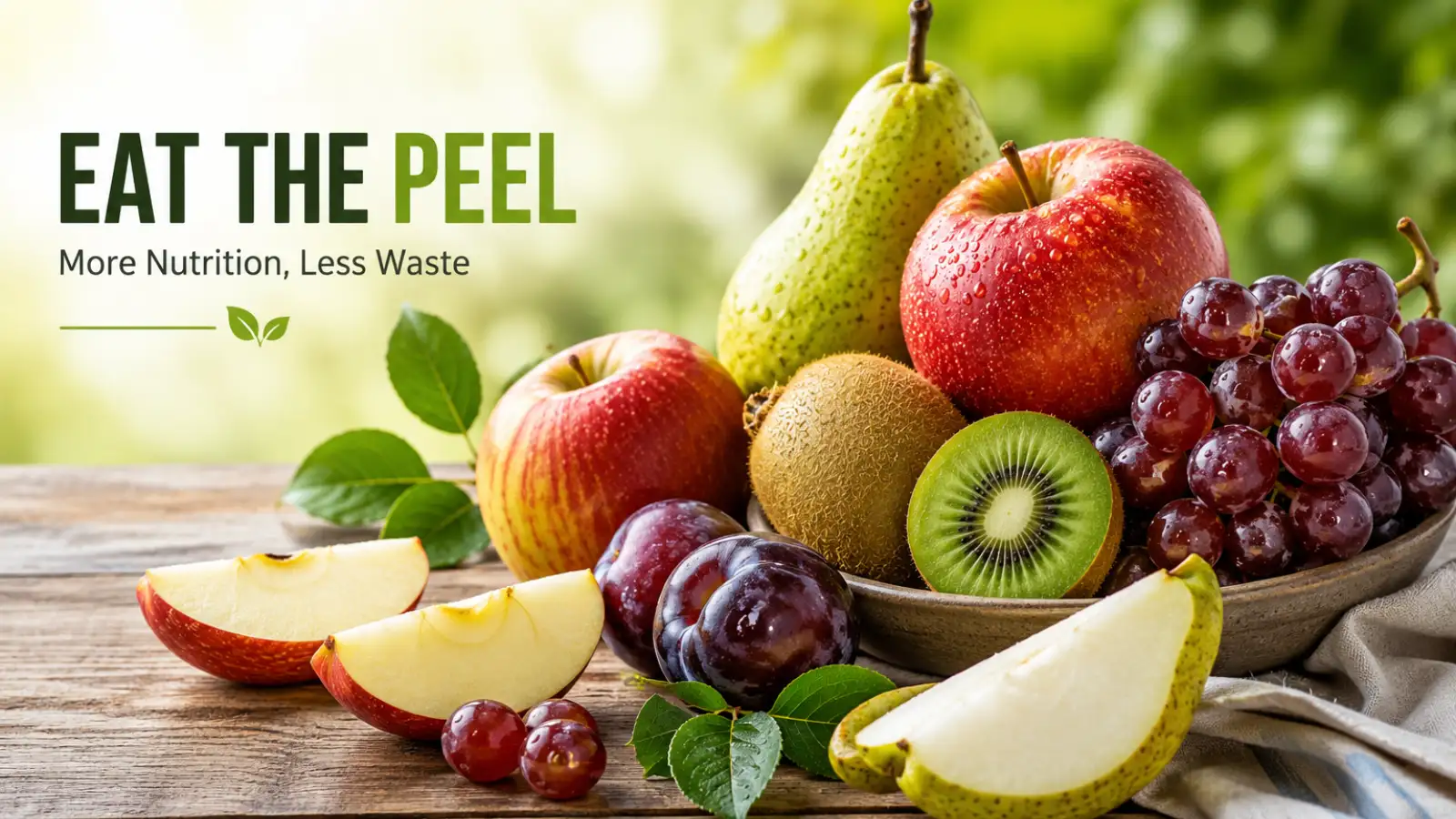
Research has shown that fruit peels often contain higher amounts of fibre than the flesh itself. Fibre promotes healthy digestion, helps regulate blood sugar levels and keeps you feeling fuller for longer. Many peels are also rich in vitamins such as vitamin C and vitamin A, along with minerals like potassium.
Simply washing an apple thoroughly under running water is usually enough to remove dirt and most surface residues. Choosing organic apples where possible can further reduce pesticide exposure, although washing remains important.
Similarly, plum skins provide anthocyanins, the natural pigments responsible for their deep purple colour. These compounds have been studied for their antioxidant properties and their potential role in protecting cells from damage.
Kiwi skin surprises many people. Although its fuzzy texture may seem unusual, it is completely edible after washing. Eating the whole kiwi increases fibre intake significantly compared with eating only the flesh, while also providing extra vitamin E and folate.
It is equally important to remember that not every fruit peel is edible. Banana, pineapple, lychee and avocado peels are generally not eaten because of their tough texture or naturally occurring compounds.
The next time you reach for an apple, pear or kiwi, think twice before reaching for the peeler. In many cases, the skin contains some of the fruit's most valuable nutrients. With proper washing and a little awareness about which peels are safe to eat, you can enjoy better nutrition from the same fruit already sitting in your kitchen. Sometimes, the healthiest part is the one we have been throwing away all along.
Why Fruit Peels Are More Nutritious Than You Think
The peel is the fruit's natural protective layer, shielding it from sunlight, insects and environmental damage. To perform this role, it develops high concentrations of antioxidants and protective plant chemicals. These compounds also benefit people by helping to reduce oxidative stress in the body.Research has shown that fruit peels often contain higher amounts of fibre than the flesh itself. Fibre promotes healthy digestion, helps regulate blood sugar levels and keeps you feeling fuller for longer. Many peels are also rich in vitamins such as vitamin C and vitamin A, along with minerals like potassium.
Apples Are Best Enjoyed With the Skin
An apple is perhaps the best-known example of a fruit that should be eaten with its peel. The colourful skin contains quercetin, a natural antioxidant linked with heart and brain health. It also contributes a significant portion of the apple's fibre content.Simply washing an apple thoroughly under running water is usually enough to remove dirt and most surface residues. Choosing organic apples where possible can further reduce pesticide exposure, although washing remains important.
You may also like
- Which registrations are required to open a restaurant? What is the complete process?
- Business Idea: Start this business during the month of Sawan with an investment of just ₹30,000 and earn throughout the season..
- Looking exactly like deep red human lips, blooming only for a short time: Meet the rare rainforest flower 'Hooker's Lips' that fools almost everyone
- Essential Dental Habits for a Healthier Smile
- Aryan Khan Launches D'YAVOL X Eyewear Collection in London
Pears and Plums Offer More Than Sweetness
Pear skins are rich in insoluble fibre, which helps keep the digestive system functioning smoothly. They also contain flavonoids that may help reduce inflammation.Similarly, plum skins provide anthocyanins, the natural pigments responsible for their deep purple colour. These compounds have been studied for their antioxidant properties and their potential role in protecting cells from damage.
Grapes and Kiwis Deserve a Second Look
Many people enjoy grapes without thinking about the skin, but that's where much of their antioxidant content is found. Red and black grapes, in particular, contain resveratrol, a plant compound associated with cardiovascular health.Kiwi skin surprises many people. Although its fuzzy texture may seem unusual, it is completely edible after washing. Eating the whole kiwi increases fibre intake significantly compared with eating only the flesh, while also providing extra vitamin E and folate.
Wash Before You Eat
Keeping the peel on does not mean skipping proper preparation. Fruits should always be washed under clean running water before eating. A soft brush can be useful for thicker-skinned fruits like apples or pears. There is no need to use soap, as plain water is considered the safest option for removing dirt and surface contaminants.It is equally important to remember that not every fruit peel is edible. Banana, pineapple, lychee and avocado peels are generally not eaten because of their tough texture or naturally occurring compounds.
Why It Matters Today
As more people look for simple ways to improve their diet, eating fruits with their peels is an easy habit that requires no expensive supplements or complicated meal plans. It also helps reduce food waste by making full use of what nature provides. Small dietary choices like this can have lasting benefits when practised consistently.The next time you reach for an apple, pear or kiwi, think twice before reaching for the peeler. In many cases, the skin contains some of the fruit's most valuable nutrients. With proper washing and a little awareness about which peels are safe to eat, you can enjoy better nutrition from the same fruit already sitting in your kitchen. Sometimes, the healthiest part is the one we have been throwing away all along.






Loving Newspoint? Download the app now
