
Gajar Ka Halwa Recipe: 4 Easy Tips To Prevent It From Turning Watery This Winter

Winter is the perfect time to enjoy a bowl of warm, rich and delicious gajar ka halwa . Made with fresh red carrots, milk, sugar, ghee, cardamom and crunchy dry fruits, this traditional Indian dessert is a seasonal favourite. However, getting its texture right can sometimes be tricky. Instead of a thick, creamy and slightly grainy dessert, you may end up with a runny mixture because carrots naturally contain a lot of water. The good news is that a few simple cooking techniques can help you achieve the perfect consistency. Here are four easy tips to make delicious homemade gajar ka halwa without turning it into a watery mess.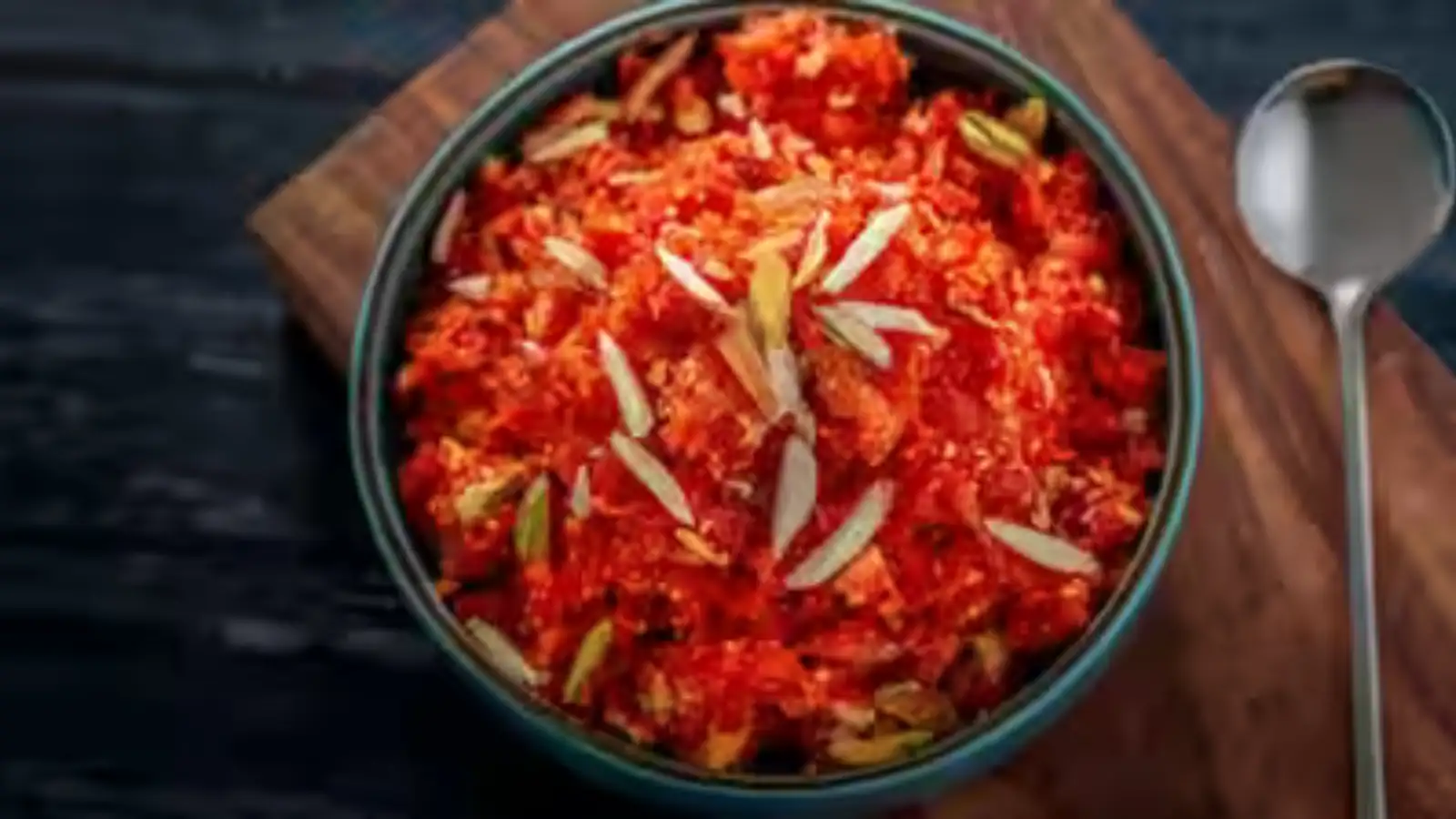
Keep stirring until the carrots become slightly soft and their natural moisture starts evaporating. Avoid covering the kadai with a lid, as this can trap steam and increase the moisture inside the pan. This simple step helps bring out the natural sweetness of the carrots while creating a good base for thick and flavourful halwa.
A wider surface allows excess moisture to evaporate faster, helping the carrot and milk mixture reduce evenly. Meanwhile, the thick base distributes heat more consistently and reduces the chances of the ingredients sticking to the bottom or burning.
For the best results, cook the halwa over a medium or low flame and stir it regularly. As the mixture becomes thicker, pay extra attention to stirring so that it cooks evenly.
To avoid this, allow the carrots to cook properly in milk first. Wait until the carrots become soft and most of the milk has reduced before adding sugar. Once added, stir continuously until the sugar dissolves and the extra liquid evaporates.
Following this order helps maintain the desired thick consistency while allowing the sweetness to blend evenly into the halwa.
However, adding it at the right stage is important. Wait until the carrots and milk have cooked down considerably before adding crumbled khoya. Mix everything thoroughly and cook for a few more minutes so that the mawa blends well with the mixture.
Adding khoya too early can increase the overall cooking time. Once the halwa reaches the desired consistency, finish it with cardamom powder and chopped almonds, cashews, walnuts or raisins for extra flavour and crunch.
Ingredients
If you are using khoya or mawa, crumble it and add it at this stage. Mix well and allow everything to cook for a few more minutes.
Serve your homemade gajar ka halwa warm and enjoy this delicious winter treat with your family.
With these simple techniques, you can prepare a rich, aromatic and perfectly thick bowl of gajar ka halwa at home. This winter, give your traditional dessert the perfect texture and enjoy every spoonful!
4 Tips To Make Perfect Gajar Ka Halwa
Preparing restaurant-style gajar ka halwa at home does not require complicated ingredients or special cooking skills. Paying attention to the cooking temperature, utensil and timing of ingredients can make a significant difference. Keep these four tips in mind while preparing your favourite winter dessert.1. Cook Carrots Before Adding Milk
One of the best ways to prevent watery gajar ka halwa is to remove some of the excess moisture from the carrots before adding other ingredients. After washing, peeling and grating fresh red carrots, heat a little ghee in a heavy-bottomed kadai. Add the grated carrots and cook them over a medium flame.Keep stirring until the carrots become slightly soft and their natural moisture starts evaporating. Avoid covering the kadai with a lid, as this can trap steam and increase the moisture inside the pan. This simple step helps bring out the natural sweetness of the carrots while creating a good base for thick and flavourful halwa.
2. Choose A Wide, Heavy-Bottomed Kadai
The type of cookware you use can have a significant impact on the final consistency of gajar ka halwa. A wide, heavy-bottomed kadai is a better choice than a narrow or deep cooking pot.A wider surface allows excess moisture to evaporate faster, helping the carrot and milk mixture reduce evenly. Meanwhile, the thick base distributes heat more consistently and reduces the chances of the ingredients sticking to the bottom or burning.
For the best results, cook the halwa over a medium or low flame and stir it regularly. As the mixture becomes thicker, pay extra attention to stirring so that it cooks evenly.
3. Add Sugar At The Right Time
Adding sugar too early can make your gajar ka halwa watery. This happens because sugar draws out moisture from the grated carrots, releasing additional liquid into the mixture.To avoid this, allow the carrots to cook properly in milk first. Wait until the carrots become soft and most of the milk has reduced before adding sugar. Once added, stir continuously until the sugar dissolves and the extra liquid evaporates.
Following this order helps maintain the desired thick consistency while allowing the sweetness to blend evenly into the halwa.
4. Add Khoya Or Mawa Towards The End
Want to give your homemade gajar ka halwa a richer, creamier texture? Khoya or mawa is a great addition. It enhances the taste of the dessert and gives it a traditional, indulgent finish.However, adding it at the right stage is important. Wait until the carrots and milk have cooked down considerably before adding crumbled khoya. Mix everything thoroughly and cook for a few more minutes so that the mawa blends well with the mixture.
Adding khoya too early can increase the overall cooking time. Once the halwa reaches the desired consistency, finish it with cardamom powder and chopped almonds, cashews, walnuts or raisins for extra flavour and crunch.
Chef Kunal Kapoor's Gajar Ka Halwa Recipe
If you want to prepare a delicious batch of traditional gajar ka halwa this winter, try this recipe by Chef Kunal Kapoor. It combines fresh red carrots, milk, ghee, sugar and dry fruits to create a rich and flavourful dessert.Ingredients
- 750 g grated red carrots (approximately 15 cups)
- 500 ml milk (2 cups)
- 200 g sugar (1 cup)
- 1 tsp cardamom powder
- 3 tbsp ghee, plus 1 tbsp for frying the dry fruits
- 3 tbsp sliced almonds
- 3 tbsp sliced walnuts
- 3 tbsp sliced pistachios
- ½ cup khoya or mawa (optional)
How To Make Gajar Ka Halwa At Home
Step 1: Wash, peel and grate the carrots
Start by peeling the red carrots and washing them thoroughly under running water. Pat them dry and grate them using a medium-sized grater. Keep the grated carrots aside.Step 2: Cook the carrots in milk
Take a heavy-bottomed kadai and pour in the milk. Bring it to a boil before adding the grated carrots. Mix everything well and lower the flame. Allow the carrots to cook slowly in the milk, stirring occasionally to prevent the mixture from sticking to the bottom.Step 3: Add sugar and cardamom powder
Once the carrots become soft and most of the milk has evaporated, add sugar and cardamom powder. Mix thoroughly and continue cooking until the sugar dissolves and the mixture starts becoming thick.Step 4: Add ghee and khoya
Now add three tablespoons of ghee to the kadai and mix it well with the carrot mixture. Continue cooking over a low flame, stirring regularly, until the halwa develops a rich and glossy appearance.If you are using khoya or mawa, crumble it and add it at this stage. Mix well and allow everything to cook for a few more minutes.
Step 5: Fry the dry fruits
Heat the remaining tablespoon of ghee in a separate small pan. Add the sliced almonds, walnuts and pistachios. Lightly fry them until they become fragrant. Make sure you do not overcook or burn the nuts.Step 6: Garnish and serve warm
Add the fried dry fruits to the prepared halwa and mix everything well. Transfer it to a serving bowl and garnish with some extra nuts if desired.Serve your homemade gajar ka halwa warm and enjoy this delicious winter treat with your family.
Tips For Thick And Delicious Gajar Ka Halwa
The secret to making perfect gajar ka halwa lies in controlling moisture and allowing the ingredients enough time to cook. Use fresh red carrots, choose a wide kadai, add sugar only after the milk has reduced and mix in khoya towards the end.With these simple techniques, you can prepare a rich, aromatic and perfectly thick bowl of gajar ka halwa at home. This winter, give your traditional dessert the perfect texture and enjoy every spoonful!
Next Story