
Gen Z Is Blending Traditional Indian Fashion With Modern Wardrobe Staples

Fashion has always been a powerful medium for self-expression, but the current generation is rewriting the style rulebook entirely. Young people today are moving away from rigid dress codes and formal expectations. Instead of keeping ethnic wear strictly for wedding celebrations or festive occasions, young people are incorporating heritage garments into their daily wardrobes. The growing trend of Gen Z mixing traditional Indian clothes with Western basics represents a creative blend of cultural pride, comfort, and personal originality.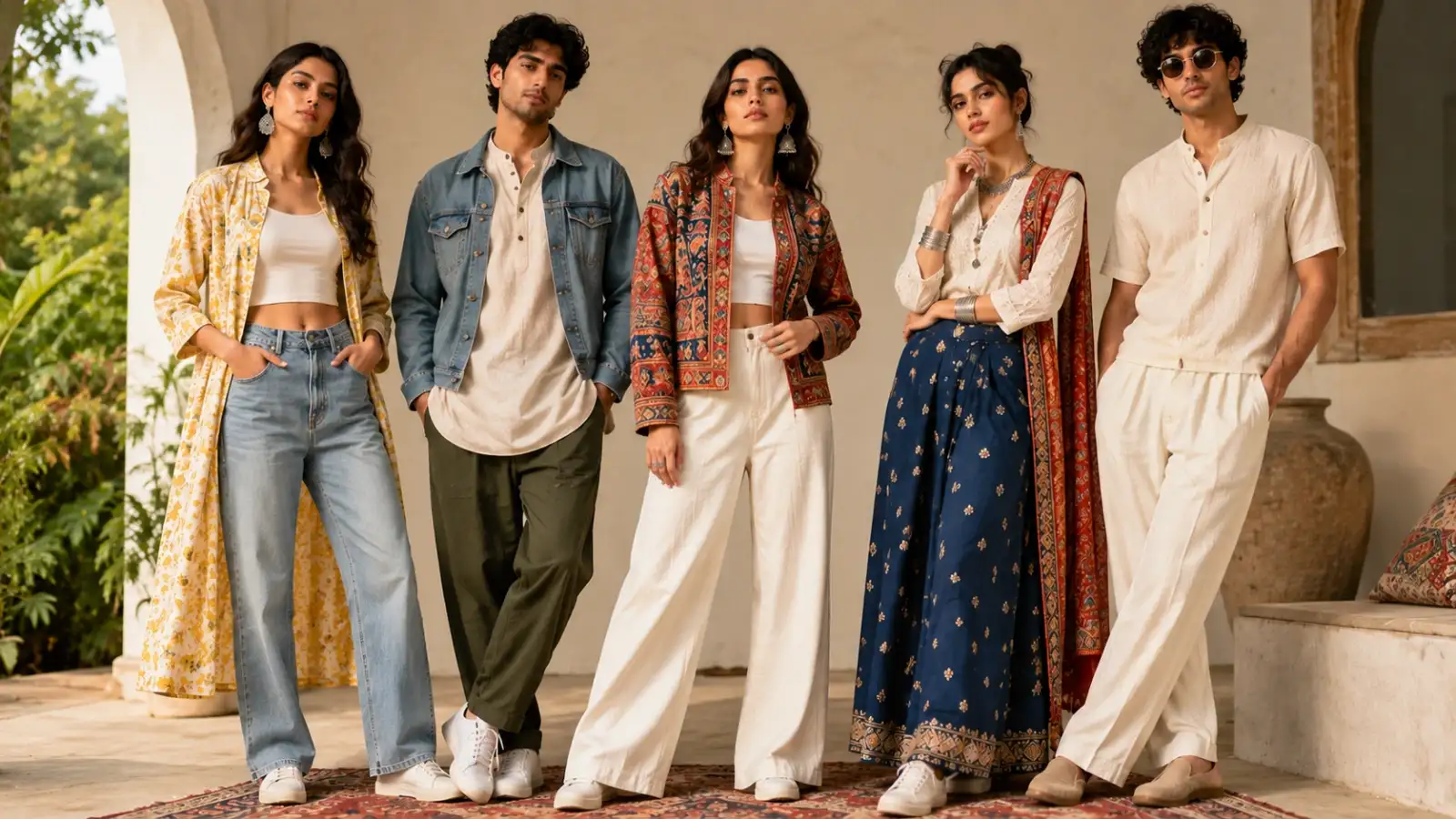
Heritage Meets Comfort in Daily Outfits
One of the primary reasons behind this fusion trend is the desire for everyday comfort without sacrificing personal flair. Traditional attire can sometimes feel heavy or restrictive when worn in its complete, classic form. By pairing a vibrant printed kurti with classic blue jeans or styling an embroidered ethnic jacket over a simple white T-shirt, young trendsetters create an outfit that feels relaxed yet visually striking. This casual blend allows them to celebrate rich cultural craftsmanship while staying comfortable during long days at university, work, or social gatherings with friends.Expressing Cultural Identity Through Modern Style
For many young individuals, fashion serves as a bridge connecting their rich heritage with their modern urban lifestyle. Wearing traditional clothing exclusively during festivals can feel limiting for a generation that lives in a globally connected world. Blending dynamic Indian ethnic wear , such as block-print skirts, oxidised silver jewellery, or dupattas, with everyday staples like denim jackets and tailored trousers allows them to honour their roots on their own terms. This unique styling approach creates a subtle statement of cultural pride that feels natural and contemporary.You may also like
- No PLI? You can still get 'Baal Jeevan Bima' for your child; here are the new rules
- Halftime Hallelujah?
- Migraine Is More Than Just a Headache: Know These Warning Signs and Symptoms
- 4 Refreshing Amla Drinks to Start Your Morning on a Healthy Note
- SBI JA Recruitment 2026: SBI offers a chance to become a Junior Associate; applications invited for 9,124 posts
Sustainable Choices and Conscious Wardrobe Building
Sustainability plays a huge role in the modern fashion choices of younger consumers. Rather than buying mass-produced fast-fashion items for every new occasion, young people are raiding family wardrobes or buying timeless vintage pieces. Combining existing ethnic garments with simple basics gives old clothes a fresh new life and drastically increases the number of unique outfits a person can create. Throwing a cropped denim jacket over a traditional saree or pairing an ornate chikankari shirt with casual shorts makes traditional garments more versatile and wearable throughout the year.The Influence of Digital Platforms and Global Aesthetics
Social media has transformed how people discover and experiment with personal fashion styles. Visual platforms are filled with creative inspiration, showing how simple adjustments can transform an ensemble. Video creators show viewers how to style a heavy Bandhani scarf with a plain black turtleneck sweater or how to pair ethnic juttis with tailored trousers. Seeing these creative combinations online encourages young people to experiment with their wardrobes and challenge traditional rules about how ethnic clothing should be worn.Redefining Formality and Individual Creative Freedom
The modern workplace and social scenes have become far more casual in recent years, giving people greater room for experimentation. Gen Z rejects the idea that outfits must belong strictly to one specific cultural category or formality level. Mixing a crisp cotton shirt with a flared lehenga skirt or wearing an ethnic corset over a structured button-down shirt shows a high level of creative freedom. This playful attitude towards styling ensures that traditional textile arts remain active, relevant, and exciting for future generations to enjoy.





Loving Newspoint? Download the app now
