
German Shepherd Exercise and Brain Games: Smart Ways to Keep Your Dog Fit and Happy

German Shepherd exercise and brain games are essential if you want your dog to stay healthy, calm and well-balanced. Anyone who shares their home with a German Shepherd knows they are always alert, observant and ready for action. Doing nothing is simply not in their nature.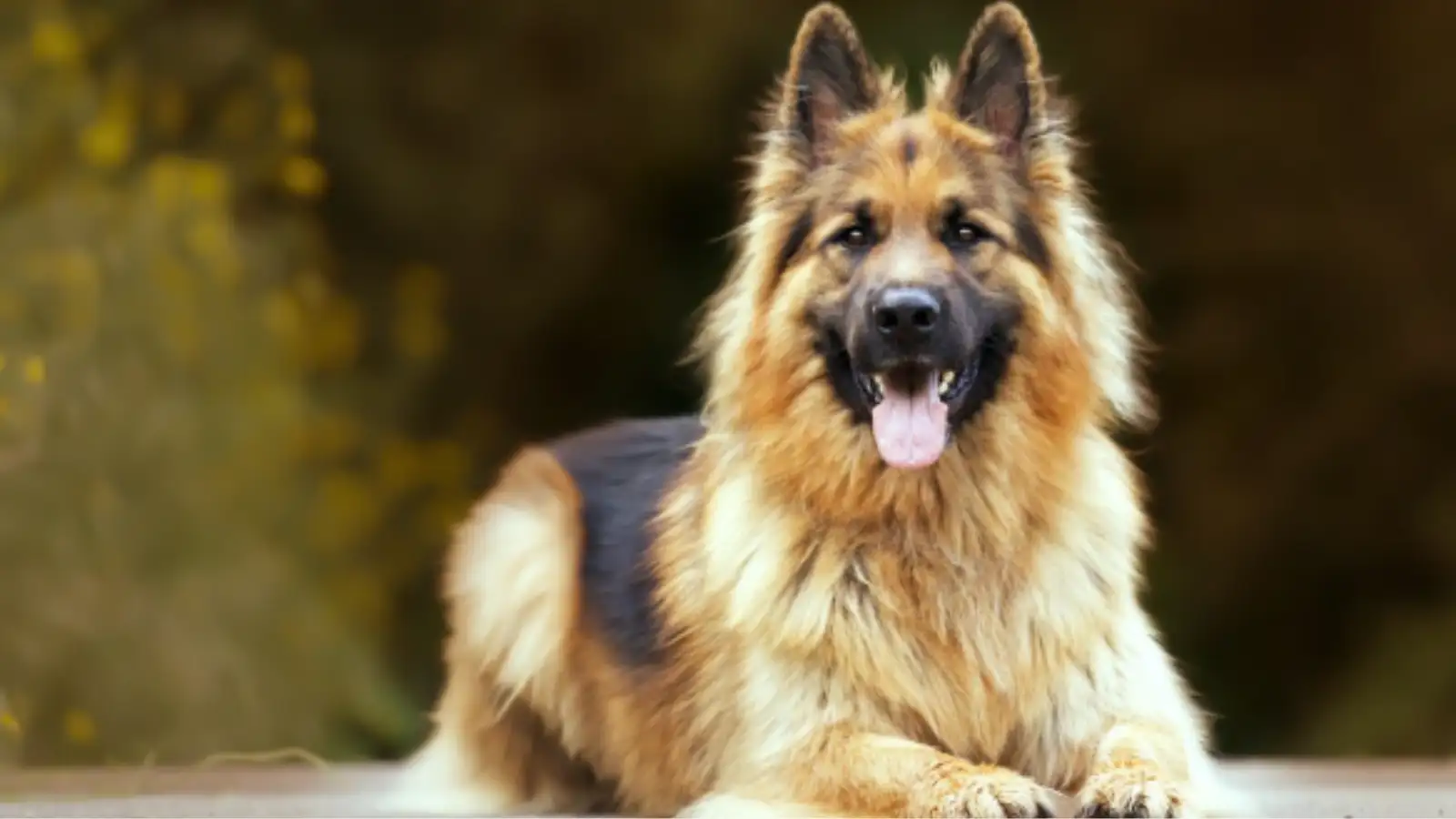
Without enough physical movement and mental stimulation, this intelligent breed can become restless. Pacing, excessive barking or chewing household items is often just pent-up energy looking for an outlet. The good news? With the right routine, you can keep your German Shepherd fit, focused and content.
Why German Shepherds Need More Than Just a Walk
German Shepherds are working dogs by design. Originally bred for herding and protection work, they thrive when they have a purpose. A slow, short walk around the block may not be enough to meet their daily needs.
To truly support their health and behaviour, they require:
When these needs are met, you’ll often notice better sleep, calmer behaviour and a more relaxed dog overall.
Daily German Shepherd Exercise That Actually Makes a Difference
A basic walk is a good starting point, but adding intensity and variety can significantly improve results.
1. Brisk Walks and Split Sessions
Instead of one slow outing, try:
This helps burn energy steadily rather than all at once.
2. Running or Cycling Together
If your dog is healthy and used to activity, short jogging or controlled cycling sessions can be highly effective. These activities mimic the purposeful movement this breed enjoys.
3. Active Play Outdoors
Games like fetch, running on gentle slopes or walking on different surfaces (grass, sand, gravel) help strengthen muscles and improve coordination.
4. Everyday Movement at Home
Small activities count. Let your dog follow you while gardening, tidying up or moving around the house. Light but consistent movement often results in a calmer evening.
Brain Games for German Shepherds That Truly Tire Them Out
While physical activity is important, mental stimulation often has an even greater calming effect on German Shepherds.
Hide-and-Seek with Treats
Hide small treats around a room and let your dog sniff them out. This taps into their natural scenting ability and keeps them focused. Even 5–10 minutes can leave them surprisingly relaxed.
Teach Small, Purposeful Tasks
German Shepherds love feeling useful. Simple commands such as:
These tasks engage their brain and strengthen your bond.
Puzzle Feeders and Slow Bowls
Turn mealtime into a challenge rather than a quick routine. Puzzle feeders encourage problem-solving and slow eating, keeping their minds active.
Preventing Boredom: Small Changes That Go a Long Way
German Shepherds adapt quickly to routine, but repetition can lead to boredom. Small changes can reignite their interest and curiosity.
Even watching other dogs from a distance can be stimulating.
At home, rotate toys every few days. A toy that disappears for a week often feels brand new when reintroduced.
Reading Your German Shepherd’s Energy Signals
Every dog is different. Some German Shepherds require intense daily exercise, while others are content with moderate but consistent activity.
Signs your dog is getting enough stimulation include:
If you notice:
It may simply be a sign they need a little more physical or mental engagement.
Instead of suddenly increasing activity dramatically, make gradual adjustments. Small, steady improvements to their routine are often far more effective.
The Key to a Fit and Balanced German Shepherd
Keeping your German Shepherd fit isn’t about exhausting them completely. It’s about creating a healthy balance between movement and mental stimulation. When their body and brain are both engaged, they become calmer, happier and easier to manage.
With consistent German Shepherd exercise and brain games, you’ll not only support their physical health but also nurture their intelligent, loyal and energetic nature in the best possible way.
Without enough physical movement and mental stimulation, this intelligent breed can become restless. Pacing, excessive barking or chewing household items is often just pent-up energy looking for an outlet. The good news? With the right routine, you can keep your German Shepherd fit, focused and content.
Why German Shepherds Need More Than Just a Walk
German Shepherds are working dogs by design. Originally bred for herding and protection work, they thrive when they have a purpose. A slow, short walk around the block may not be enough to meet their daily needs.
To truly support their health and behaviour, they require:
- Consistent physical activity
- Mental challenges
- Variety in routine
- Engagement with their environment
When these needs are met, you’ll often notice better sleep, calmer behaviour and a more relaxed dog overall.
Daily German Shepherd Exercise That Actually Makes a Difference
A basic walk is a good starting point, but adding intensity and variety can significantly improve results.
1. Brisk Walks and Split Sessions
Instead of one slow outing, try:
- A faster-paced walk
- Extending the route
- Two shorter walks spread across the day
This helps burn energy steadily rather than all at once.
2. Running or Cycling Together
If your dog is healthy and used to activity, short jogging or controlled cycling sessions can be highly effective. These activities mimic the purposeful movement this breed enjoys.
3. Active Play Outdoors
Games like fetch, running on gentle slopes or walking on different surfaces (grass, sand, gravel) help strengthen muscles and improve coordination.
4. Everyday Movement at Home
Small activities count. Let your dog follow you while gardening, tidying up or moving around the house. Light but consistent movement often results in a calmer evening.
Brain Games for German Shepherds That Truly Tire Them Out
While physical activity is important, mental stimulation often has an even greater calming effect on German Shepherds.
Hide-and-Seek with Treats
Hide small treats around a room and let your dog sniff them out. This taps into their natural scenting ability and keeps them focused. Even 5–10 minutes can leave them surprisingly relaxed.
Teach Small, Purposeful Tasks
German Shepherds love feeling useful. Simple commands such as:
- Sit and wait
- Touch a target
- Bring a specific object
- Hold eye contact
These tasks engage their brain and strengthen your bond.
Puzzle Feeders and Slow Bowls
Turn mealtime into a challenge rather than a quick routine. Puzzle feeders encourage problem-solving and slow eating, keeping their minds active.
Preventing Boredom: Small Changes That Go a Long Way
German Shepherds adapt quickly to routine, but repetition can lead to boredom. Small changes can reignite their interest and curiosity.
- Take a different walking route
- Visit a new park
- Adjust playtime slightly
- Introduce new sights and sounds
Even watching other dogs from a distance can be stimulating.
At home, rotate toys every few days. A toy that disappears for a week often feels brand new when reintroduced.
You may also like
- Smells like luxury, but is your dupe safe?
- 'My dad shaved men in a barbershop in the 60s and 80s - these are the very best razors'
- 'Favourite bronzer ever' for mature skin 'lasts all day' is £7 but 'feels high end'
- Fashion's barefoot obsession
- Fans celebrate Messi's hat trick and Spain's comeback the virtual way
Reading Your German Shepherd’s Energy Signals
Every dog is different. Some German Shepherds require intense daily exercise, while others are content with moderate but consistent activity.
Signs your dog is getting enough stimulation include:
- Restful sleep
- Calm indoor behaviour
- Balanced energy throughout the day
If you notice:
- Pacing
- Excessive chewing
- Constant attention-seeking
- Unexplained barking
It may simply be a sign they need a little more physical or mental engagement.
Instead of suddenly increasing activity dramatically, make gradual adjustments. Small, steady improvements to their routine are often far more effective.
The Key to a Fit and Balanced German Shepherd
Keeping your German Shepherd fit isn’t about exhausting them completely. It’s about creating a healthy balance between movement and mental stimulation. When their body and brain are both engaged, they become calmer, happier and easier to manage.
With consistent German Shepherd exercise and brain games, you’ll not only support their physical health but also nurture their intelligent, loyal and energetic nature in the best possible way.






More from our partners


Loving Newspoint? Download the app now
