
Only 19 People Live Here: Inside the Tiny Faroe Islands Village Facing the Atlantic

What would life look like in a village where almost everyone knows everyone else, the mountains rise dramatically behind the houses, and the Atlantic Ocean is never too far away?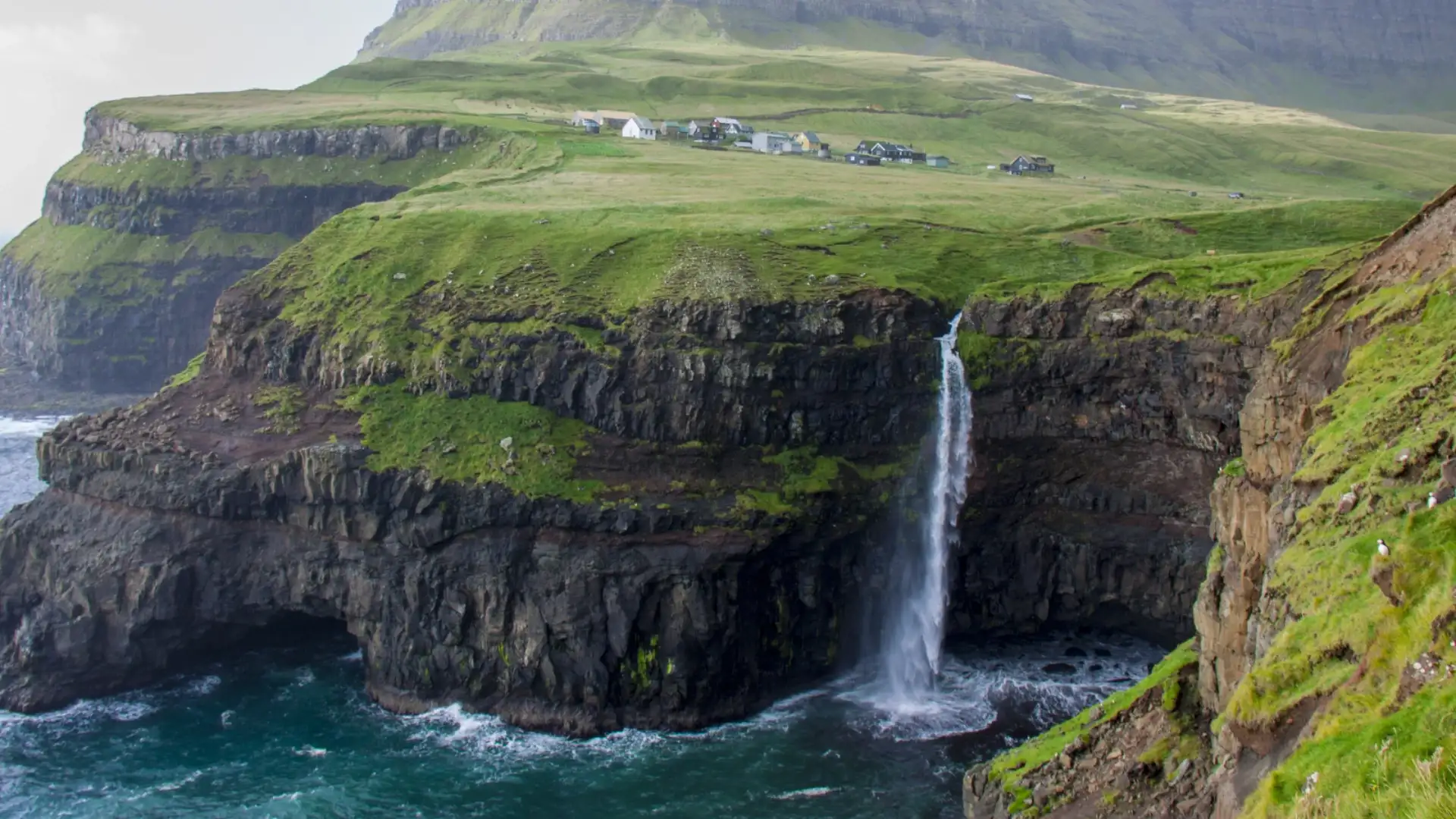
On the northeastern edge of Eysturoy, one of the islands that make up the Faroe Islands, lies Gjógv, a settlement that looks almost unreal. Colourful houses sit against green hillsides, narrow roads wind through the village, and the vast North Atlantic stretches beyond its rugged coastline. The village has been reported to have just 19 permanent residents, making it an extraordinary destination for travellers seeking solitude and scenery.
But Gjógv is more than a picturesque stop on a travel itinerary. Its geography, traditional architecture and relationship with the sea tell a story of a community that has learnt to live alongside one of nature's most powerful forces.
Unlike conventional harbours built with extensive artificial structures, this gorge is formed by the natural shape of the coastline. It has long been an important feature of local life, connecting the settlement to the surrounding waters.
The scenery can be striking, particularly when waves move through the inlet and the ocean meets the rocky coastline. Yet the same environment that makes Gjógv visually spectacular also demands respect. The weather around the Faroe Islands can change quickly, and coastal conditions may become challenging without much warning.
For visitors, the gorge offers a closer look at how the islands' natural landscape has shaped both the appearance of the village and its relationship with the sea.
The contrast is particularly striking: brightly coloured houses stand out against the muted greens of the hills and the deep blues and greys of the Atlantic.
The surrounding mountains also provide opportunities for walking and hiking. Visitors can explore the village on foot, take in views of the coastline or venture onto nearby trails for a wider perspective of Eysturoy's rugged terrain.
However, the landscape is not simply a backdrop for photographs. It is an important part of everyday life in a remote settlement, influencing how people travel, build their homes and organise their activities around changing weather conditions.
The village has a guesthouse, a campsite and a teashop, according to the official Faroe Islands tourism website. These facilities help visitors experience the area without turning it into a conventional resort destination.
For residents, however, remoteness comes with trade-offs. Access to a wider range of shops, services and amenities may require travelling beyond the village. Weather and road conditions can also influence daily plans.
Gjógv's small population is part of a broader story of change in the Faroe Islands, where some smaller settlements have experienced population decline and outward migration. In earlier decades, fishing played a significant role in local livelihoods. Today, tourism also contributes to the village's economic life.
The challenge is to welcome visitors while preserving the character of a place that remains home to a small community.
The nearby hiking routes offer opportunities to experience the islands beyond their most photographed viewpoints. One recognised route connects Gjógv with the neighbouring village of Funningur. The trail is approximately four kilometres long and takes around one hour and 20 minutes, although conditions and individual walking pace can affect the journey.
The village is also roughly an hour's drive from Tórshavn, the capital of the Faroe Islands, making it possible to visit as part of a wider trip around Eysturoy.
Travellers should plan for changeable weather, wear suitable footwear and follow local guidance around the gorge, cliffs and private property. Since Gjógv is a residential community, respecting residents' homes and daily routines is just as important as enjoying its scenery.
There are no sprawling shopping districts or endless entertainment options. Instead, the appeal lies in the meeting of mountains and sea, the quiet village streets and the chance to experience a landscape that feels far removed from urban life.
Its small population is certainly remarkable, but reducing Gjógv to a number would miss what makes the place special. The natural gorge, traditional homes and surrounding mountains reveal how geography can shape a settlement's identity across generations.
For travellers who value dramatic landscapes and quieter destinations, Gjógv offers a reminder that some places are memorable precisely because they have not been transformed into bustling tourist hubs.
With the Atlantic at its doorstep and mountains rising around it, this tiny Faroese village demonstrates that a destination does not need a large population or a long list of attractions to leave a lasting impression.
On the northeastern edge of Eysturoy, one of the islands that make up the Faroe Islands, lies Gjógv, a settlement that looks almost unreal. Colourful houses sit against green hillsides, narrow roads wind through the village, and the vast North Atlantic stretches beyond its rugged coastline. The village has been reported to have just 19 permanent residents, making it an extraordinary destination for travellers seeking solitude and scenery.
But Gjógv is more than a picturesque stop on a travel itinerary. Its geography, traditional architecture and relationship with the sea tell a story of a community that has learnt to live alongside one of nature's most powerful forces.
A natural harbour carved by the Atlantic
Gjógv takes its name from a remarkable geological feature: a natural sea gorge that extends approximately 200 metres from the village towards the ocean. The narrow inlet has served as a natural harbour, providing access to the sea in a landscape where the coastline is otherwise rugged and exposed.Unlike conventional harbours built with extensive artificial structures, this gorge is formed by the natural shape of the coastline. It has long been an important feature of local life, connecting the settlement to the surrounding waters.
The scenery can be striking, particularly when waves move through the inlet and the ocean meets the rocky coastline. Yet the same environment that makes Gjógv visually spectacular also demands respect. The weather around the Faroe Islands can change quickly, and coastal conditions may become challenging without much warning.
For visitors, the gorge offers a closer look at how the islands' natural landscape has shaped both the appearance of the village and its relationship with the sea.
Where colourful houses meet dramatic mountains
One of Gjógv's defining features is its collection of traditional homes, some with turf-covered roofs. These buildings sit against a landscape of green slopes, steep mountains and open water, creating the distinctive Nordic scenery that attracts photographers and nature lovers.The contrast is particularly striking: brightly coloured houses stand out against the muted greens of the hills and the deep blues and greys of the Atlantic.
The surrounding mountains also provide opportunities for walking and hiking. Visitors can explore the village on foot, take in views of the coastline or venture onto nearby trails for a wider perspective of Eysturoy's rugged terrain.
However, the landscape is not simply a backdrop for photographs. It is an important part of everyday life in a remote settlement, influencing how people travel, build their homes and organise their activities around changing weather conditions.
What is life like in a village with just 19 residents?
A population this small can make Gjógv feel worlds away from the pace of a major city. Everyday life in such a community is likely to be shaped by close social connections, limited local facilities and the practical realities of living in a remote location.The village has a guesthouse, a campsite and a teashop, according to the official Faroe Islands tourism website. These facilities help visitors experience the area without turning it into a conventional resort destination.
For residents, however, remoteness comes with trade-offs. Access to a wider range of shops, services and amenities may require travelling beyond the village. Weather and road conditions can also influence daily plans.
Gjógv's small population is part of a broader story of change in the Faroe Islands, where some smaller settlements have experienced population decline and outward migration. In earlier decades, fishing played a significant role in local livelihoods. Today, tourism also contributes to the village's economic life.
The challenge is to welcome visitors while preserving the character of a place that remains home to a small community.
What can travellers do in Gjógv?
For those planning a visit, Gjógv offers a slower alternative to crowded tourist destinations. Rather than filling an itinerary with attractions, travellers can spend time exploring the village, admiring the gorge and walking through the surrounding countryside.The nearby hiking routes offer opportunities to experience the islands beyond their most photographed viewpoints. One recognised route connects Gjógv with the neighbouring village of Funningur. The trail is approximately four kilometres long and takes around one hour and 20 minutes, although conditions and individual walking pace can affect the journey.
The village is also roughly an hour's drive from Tórshavn, the capital of the Faroe Islands, making it possible to visit as part of a wider trip around Eysturoy.
You may also like
- Why do married women worship the moon—and not the Sun god—on Karwa Chauth?
- “No TV, no phones…”: How Asin and her husband are raising their daughter away from screens; “She can speak about 12 languages”
- Essential Guide for Senior Citizens Planning a Pilgrimage
- Understanding the Significance of Karwa Chauth: Traditions and Rituals
- Karwa Chauth 2023: Essential Details on Bhadra and Auspicious Timing
Travellers should plan for changeable weather, wear suitable footwear and follow local guidance around the gorge, cliffs and private property. Since Gjógv is a residential community, respecting residents' homes and daily routines is just as important as enjoying its scenery.
When nature becomes the main attraction
In an era of crowded itineraries and holidays built around ticking off famous landmarks, Gjógv offers a different kind of travel experience.There are no sprawling shopping districts or endless entertainment options. Instead, the appeal lies in the meeting of mountains and sea, the quiet village streets and the chance to experience a landscape that feels far removed from urban life.
Its small population is certainly remarkable, but reducing Gjógv to a number would miss what makes the place special. The natural gorge, traditional homes and surrounding mountains reveal how geography can shape a settlement's identity across generations.
For travellers who value dramatic landscapes and quieter destinations, Gjógv offers a reminder that some places are memorable precisely because they have not been transformed into bustling tourist hubs.
With the Atlantic at its doorstep and mountains rising around it, this tiny Faroese village demonstrates that a destination does not need a large population or a long list of attractions to leave a lasting impression.






Loving Newspoint? Download the app now
