
Goa Tourism Boom in 2026: Why Travellers Still Can’t Get Enough of India’s Favourite Beach Destination

Goa's travel appeal remains unshakable in 2026, even as the state grapples with the fallout of its own success. According to a recent report by India Today, the narrative that Goa is "overhyped" or "ruined" has done little to deter visitors. Exclusive data shared by the Goa Tourism Department reveals that January 2026 saw 10,86,412 arrivals, a 2.81% increase from the previous year. February also maintained this upward trend, proving that the "Goan fantasy" is very much intact for both domestic and international tourists.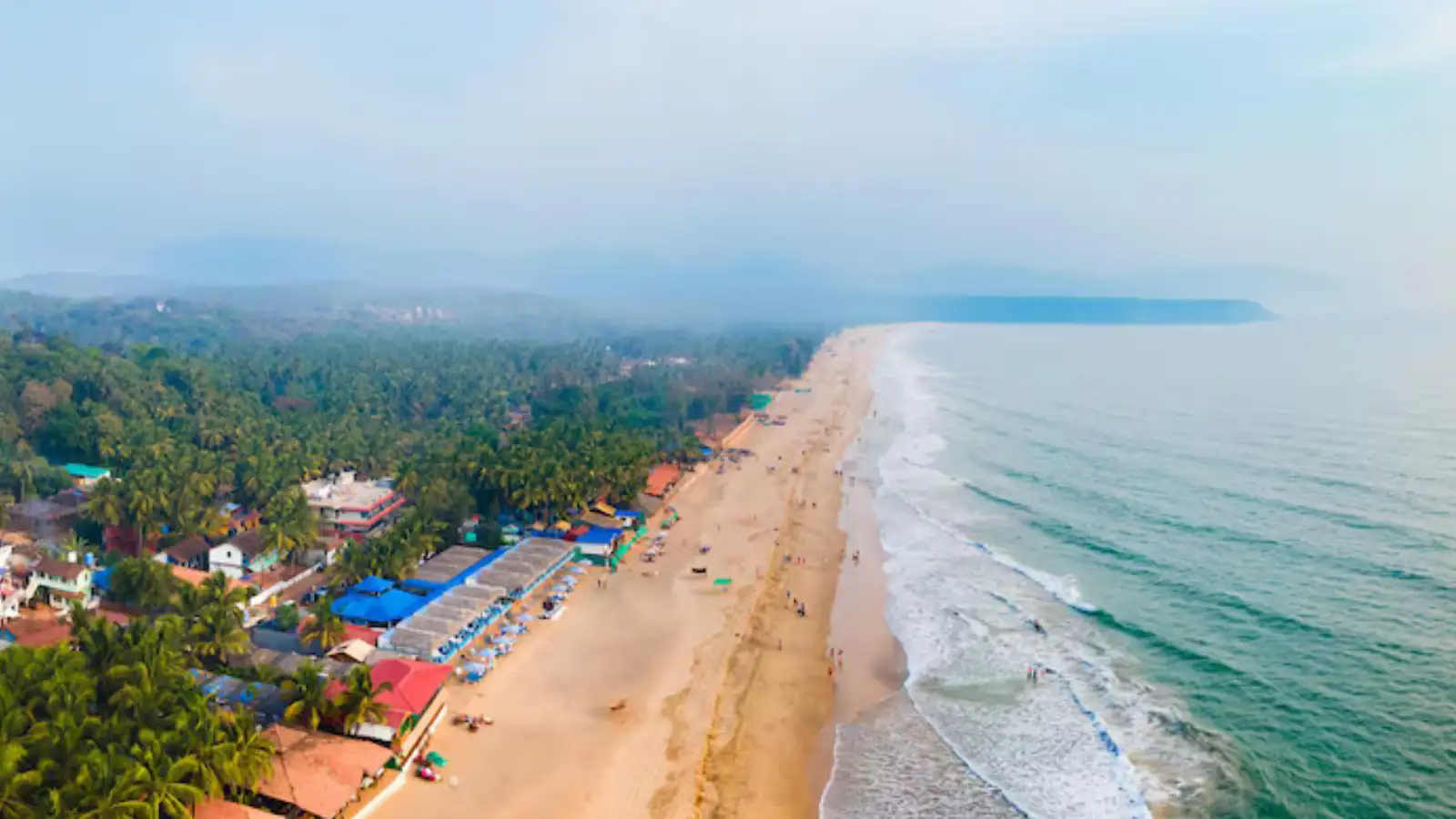
The growth comes amidst growing friction between locals and visitors. Issues such as inadequate public transport often referred to as the "cab struggle" and unplanned infrastructure growth have created pressure on the state's ecology and local communities. Geographically India's smallest state, Goa now receives over one crore (10 million) visitors annually, making its tourism density among the highest in the country. Many travelers reported "bitter experiences" with traffic and skyrocketing prices during peak periods, yet the majority still choose the destination for its unique vibe of freedom and friendship.
A key reason for the sustained numbers is the change in how people are traveling. The "new-age traveler" in 2026 is moving away from the "checklist format" of visiting famous beaches and clubs. Instead, there is a surge in "slow tourism." Activities such as mangrove kayaking, birdwatching, sunrise sailing, and exploring local cafes in heritage areas are becoming the primary draws. Travelers today want to "feel Goa" rather than just "do Goa," leading to increased interest in the state's lush hinterlands and wellness retreats.
The opening and expansion of the Manohar International Airport (Mopa) alongside the existing Dabolim airport has played a crucial role in maintaining accessibility. Improved road connectivity has allowed tourist density to disperse away from the overcrowded North Goa belt toward more secluded parts of South Goa and the interior villages. This decentralization has helped the state sustain record visitor volumes of nearly 28.5 lakh in Q1 2026 alone while giving the traditional hotspots some breathing room.
Surveys like SOCIAL's Voices of the Hood indicate that 51% of Indians still rank Goa as their top travel destination. For Gen Z and millennials, Goa represents a culture of social travel and music that is hard to replicate elsewhere in India. Furthermore, the rise of "monsoon tourism" and "work-from-Goa" long-stays has transformed it into a year-round destination, breaking the old myth that the state is only worth visiting in the winter.
As the state navigates the delicate balance between economic gain and ecological preservation, 2026 is proving to be a year of transition. While the "overtourism" tag isn't going away soon, the move toward higher-value, experience-led tourism suggests that Goa’s charm is evolving rather than fading.
The Reality of Overtourism
The growth comes amidst growing friction between locals and visitors. Issues such as inadequate public transport often referred to as the "cab struggle" and unplanned infrastructure growth have created pressure on the state's ecology and local communities. Geographically India's smallest state, Goa now receives over one crore (10 million) visitors annually, making its tourism density among the highest in the country. Many travelers reported "bitter experiences" with traffic and skyrocketing prices during peak periods, yet the majority still choose the destination for its unique vibe of freedom and friendship.
A Shift to Intentional Travel
A key reason for the sustained numbers is the change in how people are traveling. The "new-age traveler" in 2026 is moving away from the "checklist format" of visiting famous beaches and clubs. Instead, there is a surge in "slow tourism." Activities such as mangrove kayaking, birdwatching, sunrise sailing, and exploring local cafes in heritage areas are becoming the primary draws. Travelers today want to "feel Goa" rather than just "do Goa," leading to increased interest in the state's lush hinterlands and wellness retreats.
You may also like
- Nashville's Top MICHELIN-Recognised Restaurants and why they should be on your bucket list
- Home Cooling Tips: These plants will keep your home cool from the deadly heat of May. Learn how to plant them.
- African proverb of the day: "No matter how beautiful and well crafted a coffin might look, it will not make anyone wish for death." — the old saying that still says a lot about modern life
- SBI Bank Strike Alert: Banking Services May Face 4-Day Disruption at Month-End
- Don't make this mistake after landing: Airline baggage tag dos and don'ts
Infrastructure and Connectivity
The opening and expansion of the Manohar International Airport (Mopa) alongside the existing Dabolim airport has played a crucial role in maintaining accessibility. Improved road connectivity has allowed tourist density to disperse away from the overcrowded North Goa belt toward more secluded parts of South Goa and the interior villages. This decentralization has helped the state sustain record visitor volumes of nearly 28.5 lakh in Q1 2026 alone while giving the traditional hotspots some breathing room.
Why the Charm Persists
Surveys like SOCIAL's Voices of the Hood indicate that 51% of Indians still rank Goa as their top travel destination. For Gen Z and millennials, Goa represents a culture of social travel and music that is hard to replicate elsewhere in India. Furthermore, the rise of "monsoon tourism" and "work-from-Goa" long-stays has transformed it into a year-round destination, breaking the old myth that the state is only worth visiting in the winter.
As the state navigates the delicate balance between economic gain and ecological preservation, 2026 is proving to be a year of transition. While the "overtourism" tag isn't going away soon, the move toward higher-value, experience-led tourism suggests that Goa’s charm is evolving rather than fading.






More from our partners


Loving Newspoint? Download the app now
