
Grey Fox: The Strange Canid That Climbs Trees Like a Cat

When you think of a fox, you probably picture a quick-footed animal darting across open ground. But the grey fox is anything but ordinary. This unusual canid can climb tree trunks, move confidently along branches and even shelter in tree cavities, making it one of the most remarkable members of the dog family.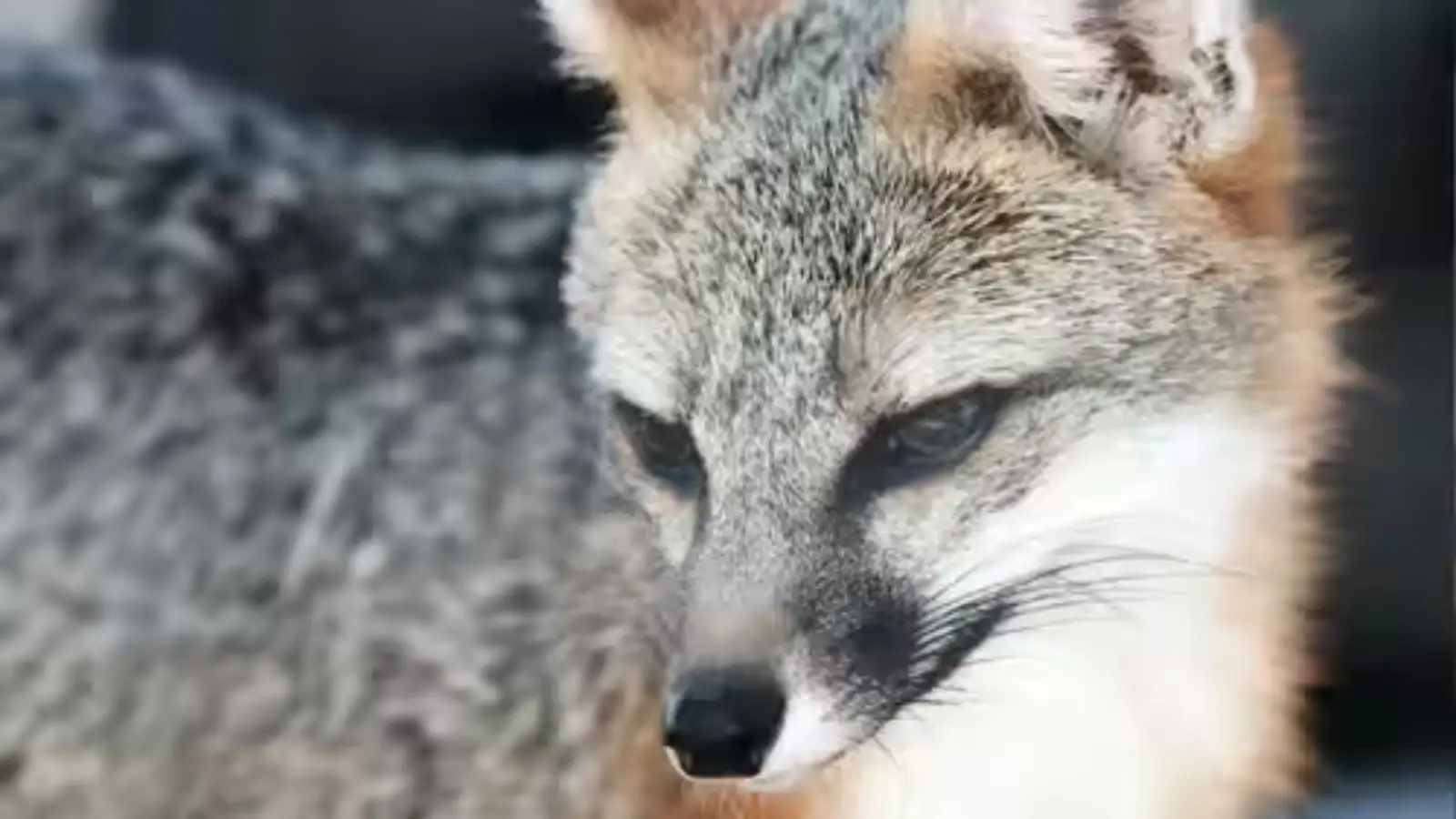
Unlike typical canids , the grey fox has several adaptations that make climbing possible. Its unusual wrist structure allows its forepaws to rotate more freely, helping it grip tree trunks and negotiate branches.
Its relatively short legs, curved claws and flexible paws also make it surprisingly agile in trees. Rather than simply scrambling onto low branches, a grey fox can climb a tree trunk and reach elevated hiding spots with remarkable ease.
Grey foxes have greater rotational movement in their forelimbs than most other canids. This gives them an advantage when gripping uneven surfaces. Their claws can provide additional traction, while their flexible paws help them maintain contact with tree bark.
Their long, bushy tails also play an important role. The tail can help with balance as the animal moves across narrow branches, jumps between surfaces or positions itself on uneven perches.
The result is an animal that can look almost cat-like when navigating the treetops, despite being a genuine member of the canid family.
1. Escape From Predators
One of the biggest advantages of climbing is safety. When predators such as coyotes are nearby, a grey fox can retreat into a tree and escape danger on the ground.
This can be particularly valuable because grey foxes aren't built for sustained high-speed running in the same way as some other canids.
2. Finding Safe Places to Rest
Trees can provide secure resting locations. Grey foxes may use hollow trees, cavities and abandoned woodpecker holes as places to shelter, sleep or raise their young.
These elevated spaces can offer protection from threats that roam along the ground.
3. Accessing Food and Storing It
The treetops can also provide opportunities to find food or keep food away from competitors. By taking advantage of elevated spaces, grey foxes can make use of resources that aren't readily available to many ground-dwelling predators.
Its climbing ability is one of its most obvious differences, but its evolutionary history makes the animal even more interesting.
Scientists believe the lineage leading to modern grey foxes diverged from other canids millions of years ago. The species' unusual combination of physical traits reflects a long evolutionary history shaped by the environments in which it lived.
They belong to the same broader family as domestic dogs, wolves, coyotes and other foxes. Their unusual appearance and behaviour can make them seem like a strange combination of several animals, but biologically they remain firmly within the dog family.
Calling the grey fox a "dog that climbs trees" isn't scientifically precise, but it does capture what makes the animal so fascinating.
Coyotes Remain a Major Threat
Being an excellent climber doesn't make the grey fox completely safe.
Coyotes are among the predators that pose a significant threat to grey foxes, particularly when the foxes are on the ground. Research from desert environments has found that coyotes can account for substantial grey fox mortality.
This helps explain why access to suitable escape trees can be so valuable. A nearby tree can effectively become an emergency shelter when a predator appears.
With the face of a fox, climbing skills that resemble those of a cat and an impressive ability to navigate branches, the grey fox challenges our usual idea of what a member of the dog family should look like or be able to do.
For the grey fox, life isn't limited to the ground - sometimes the safest place to be is up in the trees.
Meet the Grey Fox, the Tree-Climbing Canid
Scientifically known as Urocyon cinereoargenteus , the grey fox is a small wild canid found across parts of North and Central America. Although its pointed face and bushy tail make it look unmistakably fox-like, its physical abilities set it apart from most other members of the dog family.Unlike typical canids , the grey fox has several adaptations that make climbing possible. Its unusual wrist structure allows its forepaws to rotate more freely, helping it grip tree trunks and negotiate branches.
Its relatively short legs, curved claws and flexible paws also make it surprisingly agile in trees. Rather than simply scrambling onto low branches, a grey fox can climb a tree trunk and reach elevated hiding spots with remarkable ease.
How Can the Grey Fox Climb Trees?
The secret lies largely in its rotating wrists and specialised paws.Grey foxes have greater rotational movement in their forelimbs than most other canids. This gives them an advantage when gripping uneven surfaces. Their claws can provide additional traction, while their flexible paws help them maintain contact with tree bark.
Their long, bushy tails also play an important role. The tail can help with balance as the animal moves across narrow branches, jumps between surfaces or positions itself on uneven perches.
The result is an animal that can look almost cat-like when navigating the treetops, despite being a genuine member of the canid family.
Why Does the Grey Fox Climb Trees?
Tree climbing isn't simply a party trick for the grey fox. It can be an important survival strategy.1. Escape From Predators
One of the biggest advantages of climbing is safety. When predators such as coyotes are nearby, a grey fox can retreat into a tree and escape danger on the ground.
This can be particularly valuable because grey foxes aren't built for sustained high-speed running in the same way as some other canids.
2. Finding Safe Places to Rest
Trees can provide secure resting locations. Grey foxes may use hollow trees, cavities and abandoned woodpecker holes as places to shelter, sleep or raise their young.
These elevated spaces can offer protection from threats that roam along the ground.
3. Accessing Food and Storing It
The treetops can also provide opportunities to find food or keep food away from competitors. By taking advantage of elevated spaces, grey foxes can make use of resources that aren't readily available to many ground-dwelling predators.
The Grey Fox Is Built Differently From Other Foxes
Despite its name, the grey fox isn't simply another version of the familiar red fox. It belongs to the genus Urocyon, making it a particularly distinctive branch of the canid family tree.Its climbing ability is one of its most obvious differences, but its evolutionary history makes the animal even more interesting.
Scientists believe the lineage leading to modern grey foxes diverged from other canids millions of years ago. The species' unusual combination of physical traits reflects a long evolutionary history shaped by the environments in which it lived.
Are Grey Foxes Really Dogs?
Yes. Despite their cat-like climbing abilities, grey foxes are canids.They belong to the same broader family as domestic dogs, wolves, coyotes and other foxes. Their unusual appearance and behaviour can make them seem like a strange combination of several animals, but biologically they remain firmly within the dog family.
Calling the grey fox a "dog that climbs trees" isn't scientifically precise, but it does capture what makes the animal so fascinating.
Coyotes Remain a Major Threat
Being an excellent climber doesn't make the grey fox completely safe.
Coyotes are among the predators that pose a significant threat to grey foxes, particularly when the foxes are on the ground. Research from desert environments has found that coyotes can account for substantial grey fox mortality.
This helps explain why access to suitable escape trees can be so valuable. A nearby tree can effectively become an emergency shelter when a predator appears.
The Grey Fox Shows How Wild Animals Adapt
The grey fox is a fascinating example of how evolution can produce unexpected combinations of traits. Instead of being designed simply for speed on the ground, this small canid has developed physical abilities that allow it to exploit both terrestrial and arboreal habitats.With the face of a fox, climbing skills that resemble those of a cat and an impressive ability to navigate branches, the grey fox challenges our usual idea of what a member of the dog family should look like or be able to do.
For the grey fox, life isn't limited to the ground - sometimes the safest place to be is up in the trees.






Loving Newspoint? Download the app now
