
Best Whole Grains for Everyday Meals and Better Nutrition

Whole grains are one of the easiest ways to make everyday meals healthier. Unlike refined grains, they contain all three parts of the grain, the bran, germ, and endosperm, which means they naturally provide more fiber, vitamins, minerals, and plant compounds. Including a variety of whole grains in your daily diet can help support digestion, provide lasting energy, and make meals more satisfying.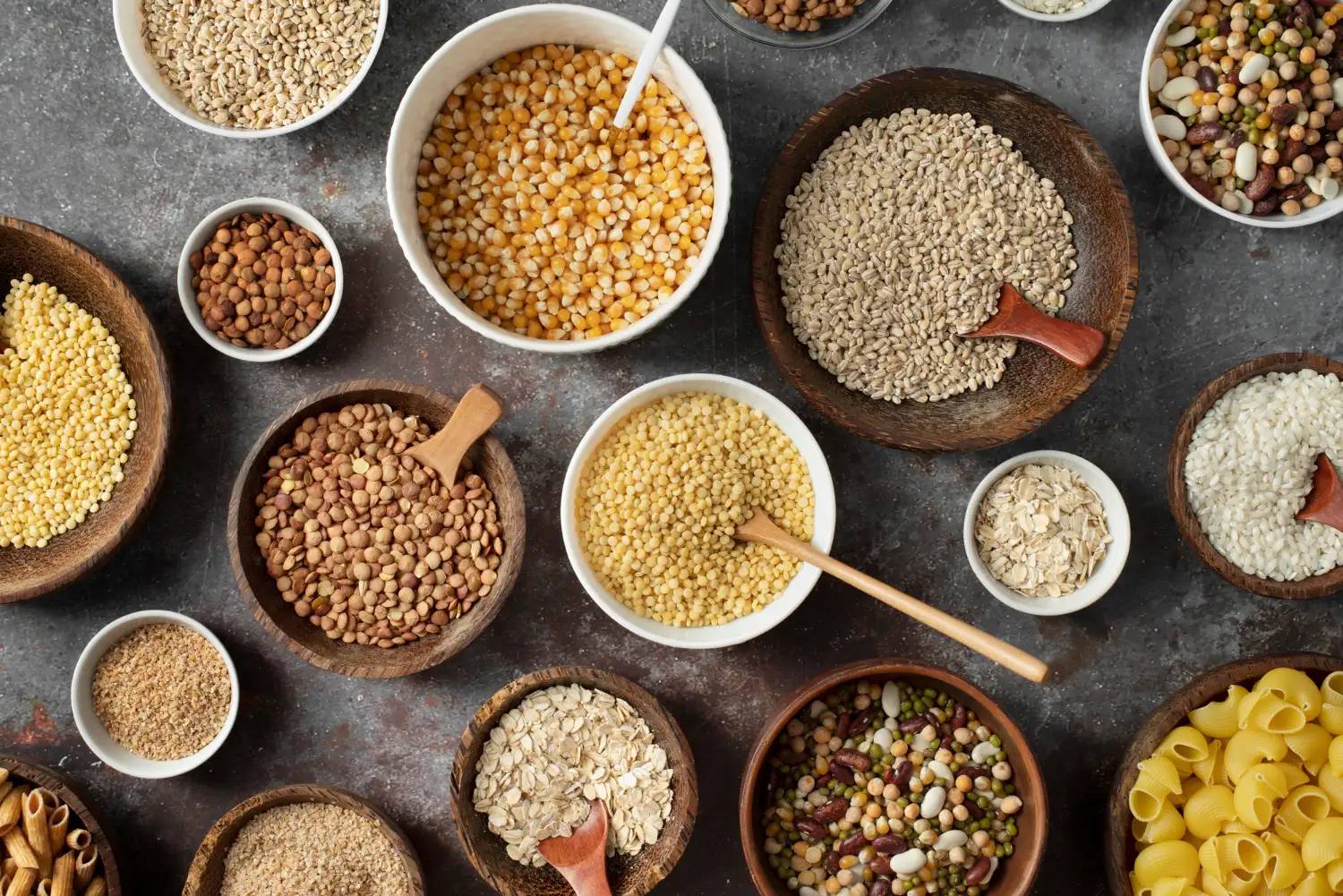
Here are some of the best whole grains you can enjoy every day.
Oats
Oats are a breakfast favorite for good reason. They are rich in soluble fiber, especially beta-glucan, which helps you feel full for longer. Oats are incredibly versatile and can be used in porridge, overnight oats, smoothies, homemade granola, or even baked goods.
Brown Rice
Brown rice is a nutritious alternative to white rice because it retains its bran and germ layers. It pairs well with curries, stir-fries, soups, and vegetable bowls. Its mild flavor makes it an easy addition to daily meals.
Quinoa
Although technically a seed, quinoa is commonly eaten like a grain. It is naturally gluten-free and contains all nine essential amino acids, making it a complete protein. Quinoa works well in salads, grain bowls, stuffed vegetables, and warm side dishes.
Whole Wheat
Whole wheat is widely available and can be enjoyed through whole wheat flour, bread, pasta, and chapatis. Choosing whole wheat products over refined versions adds more fiber and nutrients to your meals while keeping you fuller for longer.
Barley
Barley has a pleasantly chewy texture and a mild, nutty taste. It is rich in fiber and is ideal for soups, stews, salads, and grain-based side dishes. Hulled barley is a whole grain, while pearl barley is more refined.
Millet
Millets are traditional grains that are naturally gluten-free and easy to include in everyday cooking. They can be prepared as porridge, used instead of rice, or added to salads and pilafs. Different varieties offer unique textures and flavors.
Buckwheat
Despite its name, buckwheat is not related to wheat and is naturally gluten-free. It has a rich, earthy flavor and can be used in porridge, pancakes, noodles, or grain salads. Buckwheat is also a good source of fiber and minerals.
Farro
Farro is an ancient wheat grain known for its chewy texture and nutty taste. It works well in soups, salads, and grain bowls. Its hearty texture makes it an excellent choice for filling lunches and dinners.
Whole Grain Corn
Whole grain corn can be enjoyed as corn kernels, popcorn, or whole cornmeal. Air-popped popcorn, without excessive butter or salt, is a whole-grain snack that can fit into a balanced diet.
Tips for Adding More Whole Grains
Making whole grains a regular part of your meals doesn't have to be difficult. Start by replacing refined grains with whole-grain alternatives whenever possible. Try oatmeal for breakfast, brown rice or quinoa for lunch, and whole wheat chapatis or barley-based dishes for dinner. Mixing different grains throughout the week also helps add variety and nutrition to your diet.
Whole grains are nutritious, filling, and incredibly versatile. Whether you prefer oats, brown rice, quinoa, millet, or barley, adding a variety of whole grains to your everyday meals can help create a balanced and satisfying diet. Small changes, such as swapping refined grains for whole grains, can make a meaningful difference to your overall eating habits over time.
Here are some of the best whole grains you can enjoy every day.
Oats
Oats are a breakfast favorite for good reason. They are rich in soluble fiber, especially beta-glucan, which helps you feel full for longer. Oats are incredibly versatile and can be used in porridge, overnight oats, smoothies, homemade granola, or even baked goods. Brown Rice
Brown rice is a nutritious alternative to white rice because it retains its bran and germ layers. It pairs well with curries, stir-fries, soups, and vegetable bowls. Its mild flavor makes it an easy addition to daily meals. Quinoa
Although technically a seed, quinoa is commonly eaten like a grain. It is naturally gluten-free and contains all nine essential amino acids, making it a complete protein. Quinoa works well in salads, grain bowls, stuffed vegetables, and warm side dishes.You may also like
- 8th Pay Commission: Major demand for tax exemption; central employees stand to gain further benefit
- ATM Card: Every ATM card comes with free accident cover of up to ₹5 lakh; check if your card has it.
- UPI Tips: Reached your daily transaction limit? Here's how to keep making payments
- Mango Face Pack: Peel the mango and then mix this sour ingredient with the pulp to make a desi face pack; it will be very beneficial.
- Pillow Cleaning Tips: Odor coming from your pillow? Try this secret trick to freshen it up in no time, without washing it.
Whole Wheat
Whole wheat is widely available and can be enjoyed through whole wheat flour, bread, pasta, and chapatis. Choosing whole wheat products over refined versions adds more fiber and nutrients to your meals while keeping you fuller for longer. Barley
Barley has a pleasantly chewy texture and a mild, nutty taste. It is rich in fiber and is ideal for soups, stews, salads, and grain-based side dishes. Hulled barley is a whole grain, while pearl barley is more refined. Millet
Millets are traditional grains that are naturally gluten-free and easy to include in everyday cooking. They can be prepared as porridge, used instead of rice, or added to salads and pilafs. Different varieties offer unique textures and flavors. Buckwheat
Despite its name, buckwheat is not related to wheat and is naturally gluten-free. It has a rich, earthy flavor and can be used in porridge, pancakes, noodles, or grain salads. Buckwheat is also a good source of fiber and minerals.Farro
Farro is an ancient wheat grain known for its chewy texture and nutty taste. It works well in soups, salads, and grain bowls. Its hearty texture makes it an excellent choice for filling lunches and dinners. Bulgur
Bulgur is made from cracked whole wheat that has been partially cooked and dried. It cooks quickly and is commonly used in salads, pilafs, and stuffed vegetables. It is a convenient option for busy weekdays.Whole Grain Corn
Whole grain corn can be enjoyed as corn kernels, popcorn, or whole cornmeal. Air-popped popcorn, without excessive butter or salt, is a whole-grain snack that can fit into a balanced diet. Tips for Adding More Whole Grains
Making whole grains a regular part of your meals doesn't have to be difficult. Start by replacing refined grains with whole-grain alternatives whenever possible. Try oatmeal for breakfast, brown rice or quinoa for lunch, and whole wheat chapatis or barley-based dishes for dinner. Mixing different grains throughout the week also helps add variety and nutrition to your diet. Whole grains are nutritious, filling, and incredibly versatile. Whether you prefer oats, brown rice, quinoa, millet, or barley, adding a variety of whole grains to your everyday meals can help create a balanced and satisfying diet. Small changes, such as swapping refined grains for whole grains, can make a meaningful difference to your overall eating habits over time.






Loving Newspoint? Download the app now
