
Hidden Health Benefits Of Everyday Kitchen Spices That Can Improve Your Overall Wellness Naturally

Spices have been an important part of Indian cooking for centuries. They add aroma, colour and depth to food, but their role goes far beyond taste. Many everyday spices found in Indian kitchens contain natural compounds that may support immunity, improve digestion and contribute to overall wellbeing. Modern studies and traditional practices both highlight the potential health benefits of spices when used regularly in a balanced diet.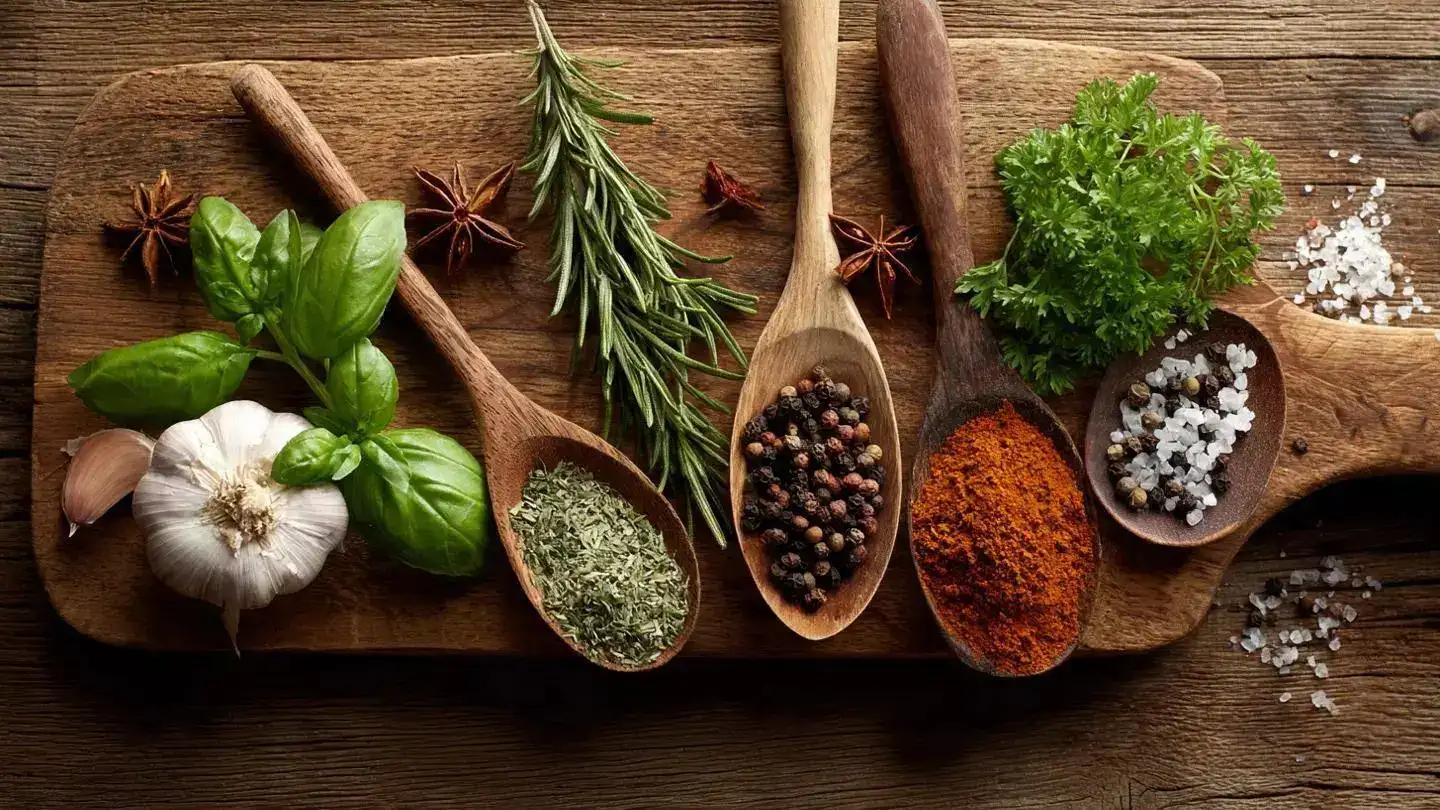
From turmeric in curries to cinnamon in tea, these ingredients have quietly remained a part of household remedies for generations. While they are not substitutes for medical treatment, adding certain spices to daily meals may help support a healthier lifestyle naturally. Understanding the hidden benefits of these spices can help people make smarter dietary choices without making major changes to their routine.
Many people consume turmeric milk during seasonal changes or when recovering from illness. It may also help support joint health and improve overall immunity. Combining turmeric with black pepper can improve curcumin absorption, making it more effective for the body.
Turmeric can easily be included in lentils, vegetables, soups and rice dishes. Even a small quantity used regularly may offer benefits over time.
People often use cinnamon in herbal tea, oats or desserts, but it also works well in savoury dishes. Apart from blood sugar support, cinnamon contains antioxidants that may help protect cells from damage caused by free radicals.
This spice may also contribute to better heart health by supporting healthy cholesterol levels. Including moderate amounts of cinnamon in meals can be a simple and flavourful wellness habit.
In traditional households, black pepper is often added to soups and herbal drinks during seasonal illness. It may help relieve mild congestion and support respiratory health. Its warming effect on the body makes it particularly popular during colder months.
Using freshly ground black pepper in meals may also enhance the nutritional value of other ingredients, especially turmeric.
One of the biggest health benefits of spices like ginger is their ability to support digestion naturally. Ginger tea is commonly consumed after meals to ease bloating and discomfort. It may also help reduce nausea during travel or seasonal illness.
In addition, ginger may support immunity and circulation. Its warming nature makes it ideal for teas, soups and curries, especially during monsoon and winter seasons.
Clove oil has traditionally been used to relieve tooth discomfort temporarily. Even adding cloves to tea or rice dishes may contribute to better oral hygiene and digestion. Their antioxidant content may also help the body fight oxidative stress.
Cloves are often used in spice blends and festive dishes, making them an easy ingredient to include in meals.
Cumin water is a popular home remedy that many people consume in the morning. The spice contains iron and antioxidants that may support energy levels and metabolism. It also adds flavour without the need for excessive salt or unhealthy additives.
As part of natural wellness tips , cumin can be included in curries, salads, soups and rice preparations for both taste and health support.
Many people chew cardamom after meals because of its refreshing effect on breath. It may also help digestion and reduce acidity in some individuals. Cardamom tea is especially popular for relaxation and comfort.
This spice pairs well with both sweet and savoury dishes, making it a versatile ingredient in Indian kitchens.
One of the biggest advantages of kitchen spices for immunity and wellness is that they are already part of everyday cooking. Small and consistent use of these ingredients can help improve flavour while supporting digestion, metabolism and general wellbeing.
Traditional Indian kitchens have long understood the value of spices beyond taste. Modern nutrition continues to explore their role in supporting a healthier lifestyle naturally. Adding a variety of spices to meals not only enhances flavour but may also provide long-term health support in simple and accessible ways.
From turmeric in curries to cinnamon in tea, these ingredients have quietly remained a part of household remedies for generations. While they are not substitutes for medical treatment, adding certain spices to daily meals may help support a healthier lifestyle naturally. Understanding the hidden benefits of these spices can help people make smarter dietary choices without making major changes to their routine.
Turmeric May Help Reduce Inflammation
Turmeric is one of the most widely used healthy Indian spices and is often praised for its medicinal value. Its active compound, curcumin, is known for its anti-inflammatory and antioxidant properties. Inflammation in the body is linked to several long-term health conditions, making turmeric a valuable addition to daily meals.Many people consume turmeric milk during seasonal changes or when recovering from illness. It may also help support joint health and improve overall immunity. Combining turmeric with black pepper can improve curcumin absorption, making it more effective for the body.
Turmeric can easily be included in lentils, vegetables, soups and rice dishes. Even a small quantity used regularly may offer benefits over time.
Cinnamon Can Support Blood Sugar Balance
Cinnamon is another spice with impressive health-supporting properties. Known for its sweet aroma and warm flavour, cinnamon contains compounds that may help maintain healthy blood sugar levels when consumed as part of a balanced diet.People often use cinnamon in herbal tea, oats or desserts, but it also works well in savoury dishes. Apart from blood sugar support, cinnamon contains antioxidants that may help protect cells from damage caused by free radicals.
This spice may also contribute to better heart health by supporting healthy cholesterol levels. Including moderate amounts of cinnamon in meals can be a simple and flavourful wellness habit.
Black Pepper May Improve Digestion
Black pepper is commonly known as the “king of spices” because of its versatility and strong flavour. However, it also offers several digestive benefits. Piperine, the active compound in black pepper, may stimulate digestive enzymes and help the body absorb nutrients more efficiently.In traditional households, black pepper is often added to soups and herbal drinks during seasonal illness. It may help relieve mild congestion and support respiratory health. Its warming effect on the body makes it particularly popular during colder months.
Using freshly ground black pepper in meals may also enhance the nutritional value of other ingredients, especially turmeric.
Ginger Is Known For Digestive And Immunity Support
Ginger has long been used as a natural remedy for nausea, indigestion and sore throat. It contains gingerol, a bioactive compound that gives ginger its anti-inflammatory and antioxidant properties.One of the biggest health benefits of spices like ginger is their ability to support digestion naturally. Ginger tea is commonly consumed after meals to ease bloating and discomfort. It may also help reduce nausea during travel or seasonal illness.
In addition, ginger may support immunity and circulation. Its warming nature makes it ideal for teas, soups and curries, especially during monsoon and winter seasons.
Cloves May Help Protect Oral Health
Cloves are small in size but packed with strong flavour and potential health benefits. They contain eugenol, a compound known for its antibacterial and pain-relieving properties.Clove oil has traditionally been used to relieve tooth discomfort temporarily. Even adding cloves to tea or rice dishes may contribute to better oral hygiene and digestion. Their antioxidant content may also help the body fight oxidative stress.
Cloves are often used in spice blends and festive dishes, making them an easy ingredient to include in meals.
Cumin Can Aid Digestion And Metabolism
Cumin is widely used in Indian cooking and is known for its earthy flavour. It is often associated with digestive wellness and may help reduce bloating and indigestion.Cumin water is a popular home remedy that many people consume in the morning. The spice contains iron and antioxidants that may support energy levels and metabolism. It also adds flavour without the need for excessive salt or unhealthy additives.
You may also like
- How Neonatal Opioid Withdrawal Syndrome Is Treated and Managed
- LIC vs. Mutual Funds: Choose Security or Spectacular Returns? Find Out Which Option Is Right for You...
- SIP Calculation: When Will a ₹1,000 SIP Make You a Lakhpati—And How Long Must You Invest?
- Dubai Dining Awards 2026: Why Dubai's hospitality industry remains resilient despite challenges
- Want your child to speak with confidence? This 3-week masterclass could transform the way they communicate
As part of natural wellness tips , cumin can be included in curries, salads, soups and rice preparations for both taste and health support.
Cardamom May Support Heart And Oral Health
Cardamom is often called the “queen of spices” because of its rich aroma and refreshing taste. It contains antioxidants and compounds that may help support healthy blood pressure levels.Many people chew cardamom after meals because of its refreshing effect on breath. It may also help digestion and reduce acidity in some individuals. Cardamom tea is especially popular for relaxation and comfort.
This spice pairs well with both sweet and savoury dishes, making it a versatile ingredient in Indian kitchens.
Why Everyday Spices Matter In A Balanced Diet
The growing interest in natural foods has increased awareness around the health benefits of spices. While spices alone cannot prevent illness, they may contribute positively to overall health when combined with a balanced diet, regular exercise and healthy habits.One of the biggest advantages of kitchen spices for immunity and wellness is that they are already part of everyday cooking. Small and consistent use of these ingredients can help improve flavour while supporting digestion, metabolism and general wellbeing.
Traditional Indian kitchens have long understood the value of spices beyond taste. Modern nutrition continues to explore their role in supporting a healthier lifestyle naturally. Adding a variety of spices to meals not only enhances flavour but may also provide long-term health support in simple and accessible ways.






More from our partners


Loving Newspoint? Download the app now
