
Hidden Health Risks of the Rainy Season You Shouldn't Ignore


The rainy season offers relief from the summer heat, filling the air with freshness and transforming the surroundings into lush green landscapes. While many people enjoy the cooler weather and occasional showers, the monsoon also creates the perfect environment for bacteria, viruses, fungi, and mosquitoes to multiply. These hidden changes increase the risk of infections and seasonal illnesses that often go unnoticed until symptoms become more serious. Many people focus on carrying umbrellas and raincoats during the monsoon but pay little attention to their overall health. Contaminated water, damp surroundings, poor ventilation, and fluctuating temperatures can all contribute to a wide range of health problems. Fortunately, most of these risks can be reduced through awareness and simple preventive habits. Understanding the hidden health risks of the rainy season is the first step toward protecting yourself and your loved ones while enjoying everything this beautiful season has to offer.
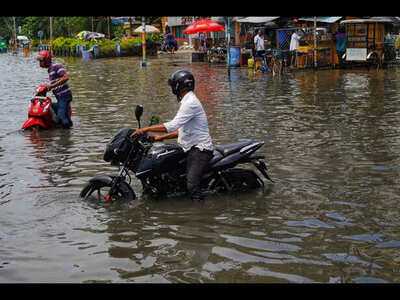
Mosquito-Borne Diseases Become More Common
One of the biggest health concerns during the monsoon is the rapid increase in mosquito populations. Rainwater often collects in flower pots, buckets, discarded containers, and clogged drains, creating ideal breeding grounds for mosquitoes. This significantly increases the spread of diseases such as dengue, malaria, and chikungunya. Mosquito-borne diseases often begin with symptoms like fever, headaches, body pain, and fatigue. Because these symptoms may resemble the flu, many people ignore them during the early stages. Eliminating stagnant water around your home, using mosquito repellents, installing window screens, and wearing full-sleeved clothing during the evening are simple but highly effective ways to reduce your risk.
Food and Water Contamination Can Lead to Serious Illness
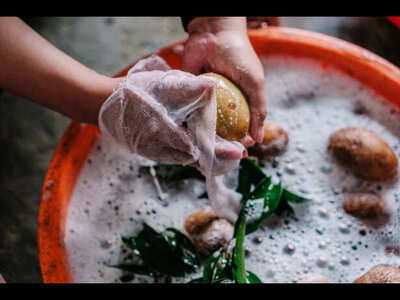 Fresh meals and purified water help protect against foodborne illnesses and waterborne diseases.
Heavy rainfall can contaminate drinking water and increase bacterial growth in food, making foodborne illnesses much more common during the rainy season. Eating food that has been exposed to unhygienic conditions or drinking untreated water may lead to stomach infections, diarrhea, typhoid, and food poisoning. Preparing fresh meals at home, drinking filtered or boiled water, and avoiding uncovered street food can significantly reduce your chances of getting sick. Paying attention to food hygiene is especially important for children, older adults, and individuals with weaker immune systems.
Fungal Infections Thrive in Humid Conditions
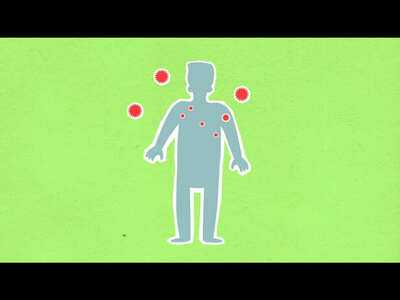 Keeping your skin and feet clean and dry helps reduce the risk of fungal infections caused by humidity.
High humidity creates an environment where fungi can grow rapidly. Wet clothes, damp shoes, and excessive sweating increase the risk of fungal infections affecting the skin, feet, and nails. Common symptoms include itching, redness, peeling skin, and unpleasant odors. These infections are often preventable by drying your body thoroughly after getting wet, changing damp clothing immediately, wearing breathable fabrics, and keeping your feet clean and dry throughout the day.
Respiratory Infections Can Spread More Easily
Many people spend more time indoors during heavy rainfall, often in enclosed spaces with limited ventilation. This increases the spread of viruses responsible for the common cold, influenza, sore throat, and other respiratory infections. People with asthma or allergies may also notice worsening symptoms because damp conditions encourage mold growth inside homes. Improving indoor ventilation, avoiding close contact with sick individuals, washing your hands frequently, and maintaining good immunity can help reduce your risk of respiratory illnesses.
Digestive Problems Often Increase During the Monsoon
The digestive system becomes more vulnerable during the rainy season because bacteria multiply faster in warm and humid conditions. Improper food storage, contaminated water, and eating outside frequently may all contribute to digestive discomfort. Symptoms such as nausea, vomiting, stomach pain, bloating, and diarrhea should never be ignored. Eating freshly prepared meals, washing fruits and vegetables thoroughly, and practicing good hand hygiene before meals are simple habits that protect your digestive health throughout the season.
Humidity Can Affect Your Skin Health
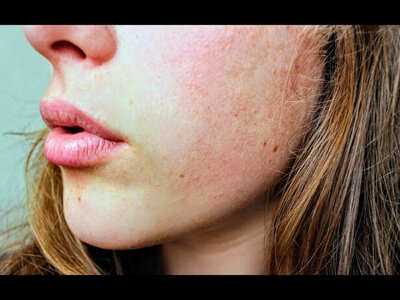 A gentle skincare routine helps prevent acne, clogged pores, and irritation caused by high humidity.
Humidity doesn’t just make you feel uncomfortable—it also affects your skin. Excessive moisture encourages clogged pores, acne breakouts, heat rashes, and fungal infections. People with oily or sensitive skin often notice increased skin problems during the rainy season. Using a gentle cleanser, moisturizing appropriately, wearing breathable clothing, and avoiding prolonged exposure to wet clothing help maintain healthy skin. Keeping your skin clean without over-washing preserves its natural protective barrier.
Mental Well-Being Matters During the Rainy Season
 Staying active and maintaining a balanced routine can improve mood and overall well-being during rainy weather.
While many people enjoy rainy weather, others experience reduced energy levels, mood changes, or increased stress because of shorter daylight hours and limited outdoor activities. Spending too much time indoors may also reduce physical activity, which can affect mental well-being. Simple habits like regular exercise, connecting with family and friends, maintaining a healthy routine, and getting enough sleep support both physical and mental health during the monsoon. Even indoor yoga or stretching can help improve mood and reduce stress.
Simple Daily Habits Make a Big Difference
Protecting yourself during the rainy season doesn’t require complicated routines. Small everyday habits often provide the greatest protection against seasonal illnesses. Eating balanced meals, staying hydrated, sleeping well, exercising regularly, practicing good hygiene, and keeping your surroundings clean all work together to strengthen your immune system. Preventive care is always more effective than treating illness after it develops.
Mosquito-Borne Diseases Become More Common
One of the biggest health concerns during the monsoon is the rapid increase in mosquito populations. Rainwater often collects in flower pots, buckets, discarded containers, and clogged drains, creating ideal breeding grounds for mosquitoes. This significantly increases the spread of diseases such as dengue, malaria, and chikungunya. Mosquito-borne diseases often begin with symptoms like fever, headaches, body pain, and fatigue. Because these symptoms may resemble the flu, many people ignore them during the early stages. Eliminating stagnant water around your home, using mosquito repellents, installing window screens, and wearing full-sleeved clothing during the evening are simple but highly effective ways to reduce your risk.
Food and Water Contamination Can Lead to Serious Illness
Heavy rainfall can contaminate drinking water and increase bacterial growth in food, making foodborne illnesses much more common during the rainy season. Eating food that has been exposed to unhygienic conditions or drinking untreated water may lead to stomach infections, diarrhea, typhoid, and food poisoning. Preparing fresh meals at home, drinking filtered or boiled water, and avoiding uncovered street food can significantly reduce your chances of getting sick. Paying attention to food hygiene is especially important for children, older adults, and individuals with weaker immune systems.
Fungal Infections Thrive in Humid Conditions
High humidity creates an environment where fungi can grow rapidly. Wet clothes, damp shoes, and excessive sweating increase the risk of fungal infections affecting the skin, feet, and nails. Common symptoms include itching, redness, peeling skin, and unpleasant odors. These infections are often preventable by drying your body thoroughly after getting wet, changing damp clothing immediately, wearing breathable fabrics, and keeping your feet clean and dry throughout the day.
Respiratory Infections Can Spread More Easily
Many people spend more time indoors during heavy rainfall, often in enclosed spaces with limited ventilation. This increases the spread of viruses responsible for the common cold, influenza, sore throat, and other respiratory infections. People with asthma or allergies may also notice worsening symptoms because damp conditions encourage mold growth inside homes. Improving indoor ventilation, avoiding close contact with sick individuals, washing your hands frequently, and maintaining good immunity can help reduce your risk of respiratory illnesses.
Digestive Problems Often Increase During the Monsoon
The digestive system becomes more vulnerable during the rainy season because bacteria multiply faster in warm and humid conditions. Improper food storage, contaminated water, and eating outside frequently may all contribute to digestive discomfort. Symptoms such as nausea, vomiting, stomach pain, bloating, and diarrhea should never be ignored. Eating freshly prepared meals, washing fruits and vegetables thoroughly, and practicing good hand hygiene before meals are simple habits that protect your digestive health throughout the season.
Humidity Can Affect Your Skin Health
Humidity doesn’t just make you feel uncomfortable—it also affects your skin. Excessive moisture encourages clogged pores, acne breakouts, heat rashes, and fungal infections. People with oily or sensitive skin often notice increased skin problems during the rainy season. Using a gentle cleanser, moisturizing appropriately, wearing breathable clothing, and avoiding prolonged exposure to wet clothing help maintain healthy skin. Keeping your skin clean without over-washing preserves its natural protective barrier.
Mental Well-Being Matters During the Rainy Season
While many people enjoy rainy weather, others experience reduced energy levels, mood changes, or increased stress because of shorter daylight hours and limited outdoor activities. Spending too much time indoors may also reduce physical activity, which can affect mental well-being. Simple habits like regular exercise, connecting with family and friends, maintaining a healthy routine, and getting enough sleep support both physical and mental health during the monsoon. Even indoor yoga or stretching can help improve mood and reduce stress.
Simple Daily Habits Make a Big Difference
Protecting yourself during the rainy season doesn’t require complicated routines. Small everyday habits often provide the greatest protection against seasonal illnesses. Eating balanced meals, staying hydrated, sleeping well, exercising regularly, practicing good hygiene, and keeping your surroundings clean all work together to strengthen your immune system. Preventive care is always more effective than treating illness after it develops.
Next Story