
The Hidden Psychology Behind "Limited Edition", Why We Want Things We Didn't Even Notice Yesterday

A few seconds ago, one product was just another item on the shelf. Now it suddenly feels special. You start wondering if it'll sell out. You imagine someone else buying the last one. Before you know it, you've convinced yourself that you'll regret not getting it. The funny part? You probably weren't even interested until someone told you it wouldn't be around for long.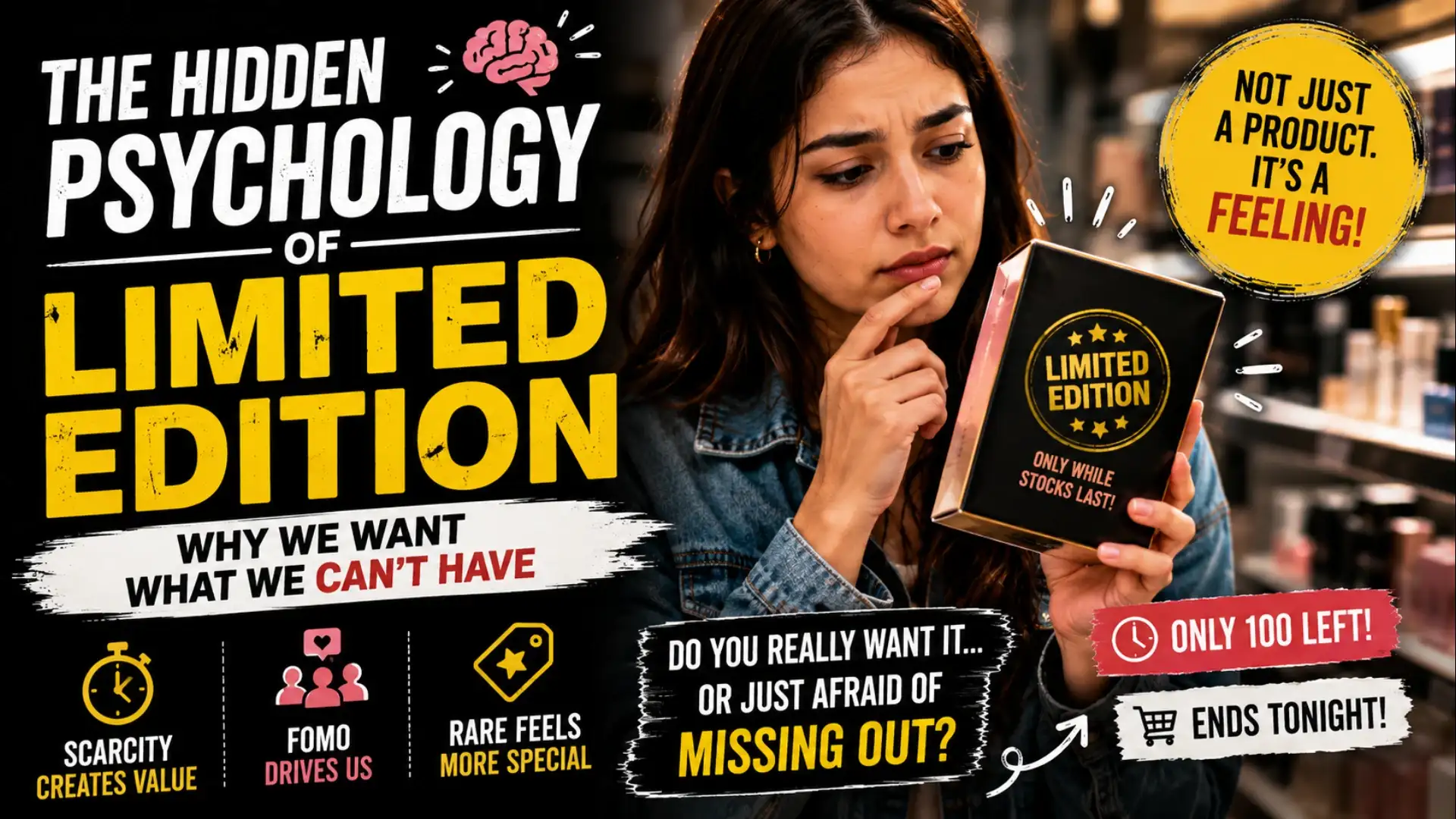
A biscuit you've ignored for years suddenly gets festive packaging and becomes something worth trying. A familiar soft drink launches a seasonal flavour, and people start hunting for it across different stores. A sneaker that looked ordinary yesterday becomes impossible to find after someone mentions there are only a few pairs left. The product hasn't changed overnight. Our perception has.
That's the part most of us don't notice.
We're not always reacting to the product. We're reacting to the possibility of losing access to it. It's the same feeling that makes us suddenly want the last slice of pizza after ignoring it for an hour. The moment something becomes scarce, it somehow feels more valuable. Not because it changed but because the opportunity did.
That's when the feeling changes. It's no longer just about buying a product. It's about wondering if you're the only one who doesn't have it. And that feeling can be surprisingly persuasive.
Owning them feels like participating in a shared experience. Months later, when people say, "Remember when that launched?" you can say, "Yeah, I got one." Sometimes, that's what we're really paying for.
Sometimes the answer is yes, and that's completely fine. But sometimes, you realise the urgency was doing most of the work. And that's a strangely freeing thought.
But it's worth remembering that the product often stays exactly the same. The only thing that changed was the story wrapped around it.
Sometimes the answer will still be yes. But sometimes you'll realise that the most powerful thing on the shelf wasn't the product. It was those two little words that quietly convinced you it might disappear.
It's Amazing How Three Words Can Change Everything
" Limited Edition ": three simple words. They don't tell you the product is better. They don't promise better quality or better performance. Most of the time, they don't even explain what's actually different. Yet somehow, they completely change the way we look at the product.A biscuit you've ignored for years suddenly gets festive packaging and becomes something worth trying. A familiar soft drink launches a seasonal flavour, and people start hunting for it across different stores. A sneaker that looked ordinary yesterday becomes impossible to find after someone mentions there are only a few pairs left. The product hasn't changed overnight. Our perception has.
Maybe We Aren't Buying the Product at All
Think about the last time you bought something because it was available "for a limited time. "If you're honest, was it really love at first sight? Or was there a tiny voice in your head saying,That's the part most of us don't notice.
We're not always reacting to the product. We're reacting to the possibility of losing access to it. It's the same feeling that makes us suddenly want the last slice of pizza after ignoring it for an hour. The moment something becomes scarce, it somehow feels more valuable. Not because it changed but because the opportunity did.
Social Media Has Made It Even Harder to Ignore
Years ago, if a brand released a special product, you might hear about it through an advertisement. Now, your phone does the advertising for them. Someone posts an unboxing video. Someone else reviews it. A creator says, "This sold out in minutes." Suddenly, your feed is filled with people showing off something you didn't even know existed yesterday.That's when the feeling changes. It's no longer just about buying a product. It's about wondering if you're the only one who doesn't have it. And that feeling can be surprisingly persuasive.
The Fear Isn't Missing the product; it's Missing the moment
This is probably the cleverest thing brands have figured out. People don't just buy limited-edition products because they want to own them. They buy them because they want to be part of the moment. Think about holiday drinks that return every winter, special festival collections, or celebrity collaborations that disappear within days.Owning them feels like participating in a shared experience. Months later, when people say, "Remember when that launched?" you can say, "Yeah, I got one." Sometimes, that's what we're really paying for.
Would You Still Want It Next Month?
It's a question worth asking before clicking "Buy Now". Imagine the same product sitting on the shelf six months from today. No countdown timer, no "Only 100 left", and no limited-edition label. Would it still feel exciting?Sometimes the answer is yes, and that's completely fine. But sometimes, you realise the urgency was doing most of the work. And that's a strangely freeing thought.
Maybe Scarcity Isn't the Product; It's the Feeling
Perhaps that's why limited edition products work so well. They don't simply sell chocolate, shoes, coffee, or skincare. They sell excitement and exclusivity. They sell the feeling that you're getting something not everyone else can have. There's nothing wrong with enjoying that feeling.But it's worth remembering that the product often stays exactly the same. The only thing that changed was the story wrapped around it.
The Real Question to Ask Yourself
The next time you see "Limited Edition" printed across a box or a website banner, pause for a moment before adding it to your cart. Ask yourself one simple question: "Do I actually want this or do I just like the idea of almost missing it?"Sometimes the answer will still be yes. But sometimes you'll realise that the most powerful thing on the shelf wasn't the product. It was those two little words that quietly convinced you it might disappear.
Next Story