
Highest Elephant Population Countries You Must Know

Elephants are iconic giants of the animal kingdom, celebrated for their size, intelligence, and striking appearance. Found primarily in Africa and Asia, these majestic creatures play a crucial role in maintaining ecosystems by dispersing seeds and creating pathways in forests. While many countries host elephants, one nation stands out for its staggering numbers.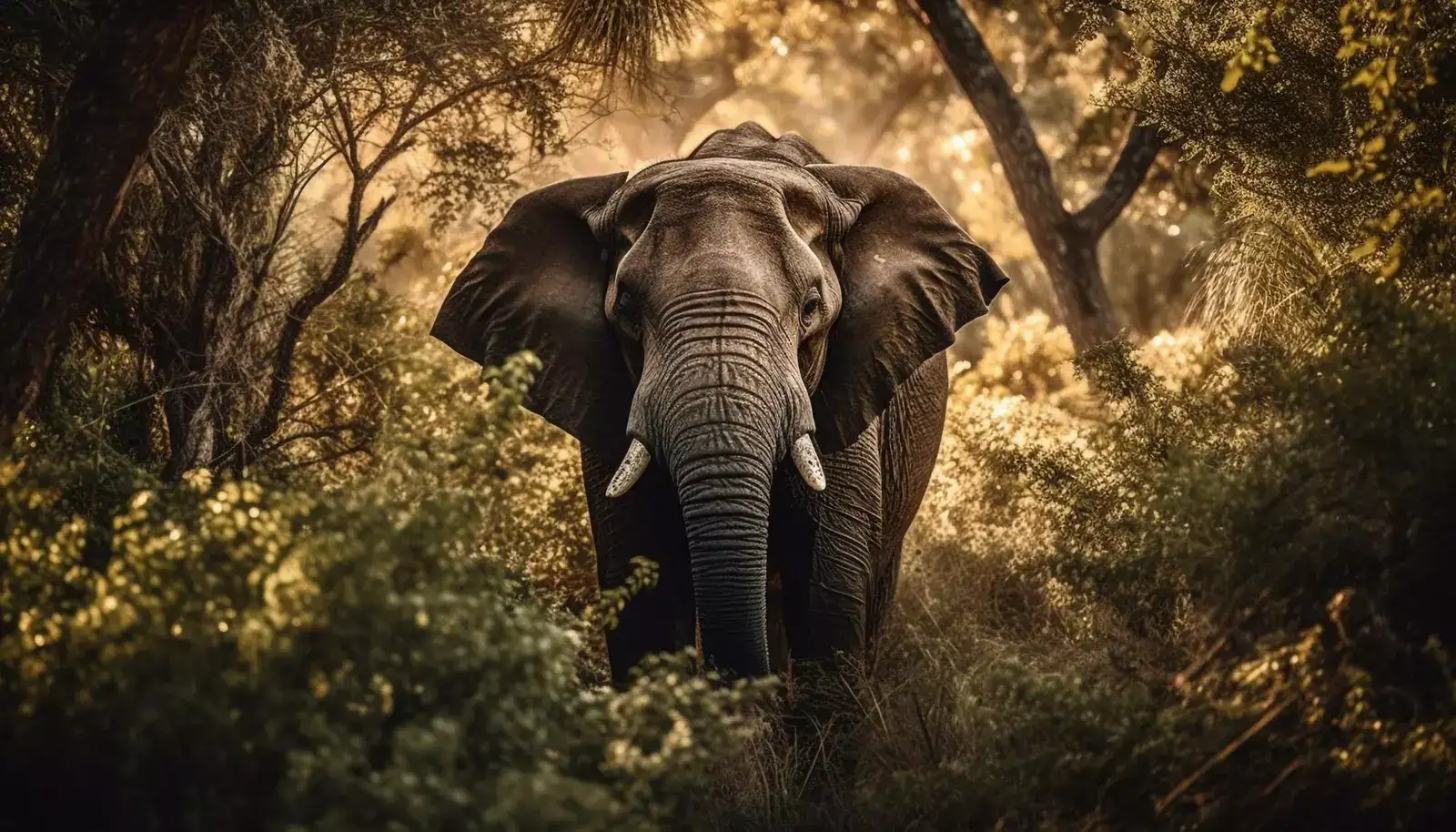
Botswana: Home to the World’s Largest Elephant Population
Botswana is the country with the highest elephant population globally, hosting over 130,000 elephants. Its vast national parks, wildlife reserves, and strong conservation measures have made it a safe haven for these gentle giants. Anti-poaching initiatives and protected habitats have further contributed to sustaining and growing their population.
Other Top Elephant Nations
Besides Botswana, countries like Zimbabwe, Tanzania, Kenya, and South Africa also boast significant elephant populations. Extensive wildlife reserves and national parks in these regions provide ideal habitats, ensuring that these animals continue to thrive.
Read More: Peacock Population By Country: Why India Tops The List
Elephants in Asia
India leads in Asia with over 30,000 Asian elephants , making it the most important country for Asian elephant conservation . These elephants inhabit forests and grasslands across several Indian states, including Karnataka, Kerala, and Assam. Asian elephants are slightly smaller than their African relatives but are equally remarkable in intelligence and social behaviour.
Types of Elephants
There are three primary types of elephants worldwide:
Fascinating Facts About Elephants
Botswana continues to lead globally in elephant numbers, while India plays a critical role for Asian elephants. These remarkable animals remain symbols of strength, wisdom, and ecological balance.
Botswana: Home to the World’s Largest Elephant Population
Botswana is the country with the highest elephant population globally, hosting over 130,000 elephants. Its vast national parks, wildlife reserves, and strong conservation measures have made it a safe haven for these gentle giants. Anti-poaching initiatives and protected habitats have further contributed to sustaining and growing their population. Other Top Elephant Nations
Besides Botswana, countries like Zimbabwe, Tanzania, Kenya, and South Africa also boast significant elephant populations. Extensive wildlife reserves and national parks in these regions provide ideal habitats, ensuring that these animals continue to thrive.You may also like
- Millions of drivers hit with car tax increase from next week - see new rates
- Effective Morning Yoga Techniques to Relieve Constipation
- Effective Remedies to Combat Acidity: Insights from a Gastroenterologist
- Vietnam becomes top destination for Indians as Middle East tensions rise
- 5 Amazing Reasons To Add Coriander Tea To Your Routine
Read More: Peacock Population By Country: Why India Tops The List
Elephants in Asia
India leads in Asia with over 30,000 Asian elephants , making it the most important country for Asian elephant conservation . These elephants inhabit forests and grasslands across several Indian states, including Karnataka, Kerala, and Assam. Asian elephants are slightly smaller than their African relatives but are equally remarkable in intelligence and social behaviour.Types of Elephants
There are three primary types of elephants worldwide: - African savanna elephants – the largest and most common in Africa.
- African forest elephants – smaller and adapted to dense forest habitats.
- Asian elephants – slightly smaller, found mainly in South and Southeast Asia.
Fascinating Facts About Elephants
- Intelligence: Elephants are highly intelligent, with excellent memory and problem-solving skills.
- Ecological Role: They maintain forests and grasslands, spreading seeds and shaping ecosystems.
- Cultural Significance: Elephants feature prominently in cultural traditions and religious symbolism in many countries.
- Threats: Despite conservation efforts, elephants face risks from habitat loss, human-wildlife conflict, and poaching.
Botswana continues to lead globally in elephant numbers, while India plays a critical role for Asian elephants. These remarkable animals remain symbols of strength, wisdom, and ecological balance.






More from our partners


Loving Newspoint? Download the app now
