
4 Ancient Indian Monuments That Are Over 500 Years Old

India’s landscape is dotted with monuments that have witnessed centuries of history, power, faith, and artistic brilliance. From grand forts to sacred temples, these landmarks offer a fascinating window into the country’s rich past. If you enjoy exploring heritage sites, here are four remarkable Indian monuments that are more than 500 years old and continue to captivate visitors with their stories and architecture.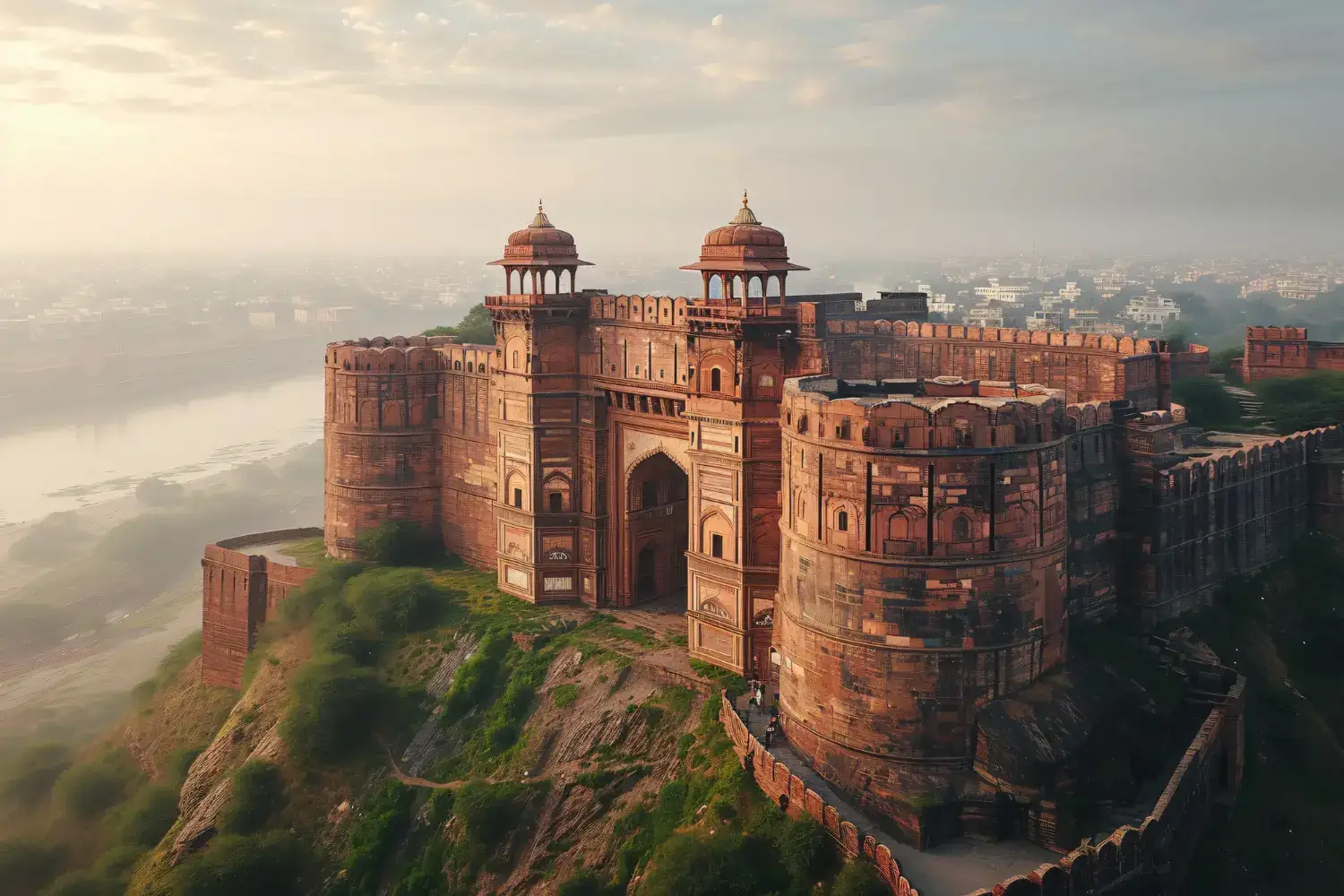
Hampi, Karnataka
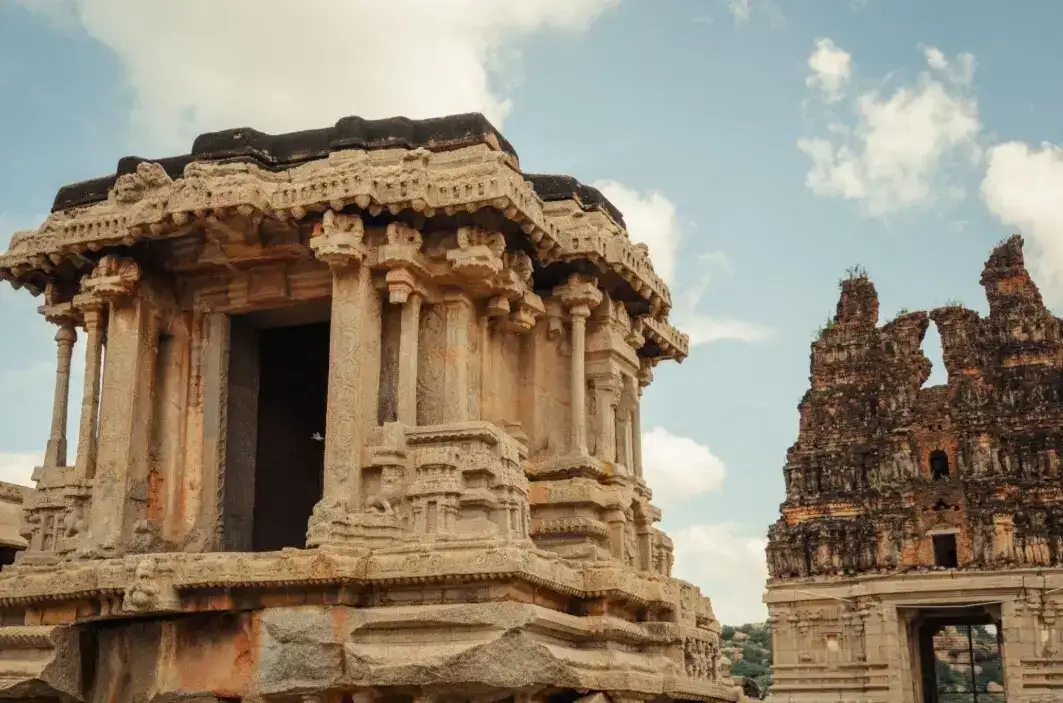 Image Credit: ChatGPT
Once the thriving capital of the mighty Vijayanagara Empire, Hampi remains one of India’s most spectacular historical destinations. Dating back to the 14th century, this UNESCO World Heritage Site is filled with stunning temple complexes, royal structures, and ancient marketplaces.
Among its biggest attractions are the Vittala Temple, famous for its intricate stone carvings, and the Virupaksha Temple, a revered place of worship that still draws devotees today. The elegant Lotus Mahal, with its distinctive architectural style, is another highlight that reflects the artistic excellence of the era.
Chittorgarh Fort, Rajasthan
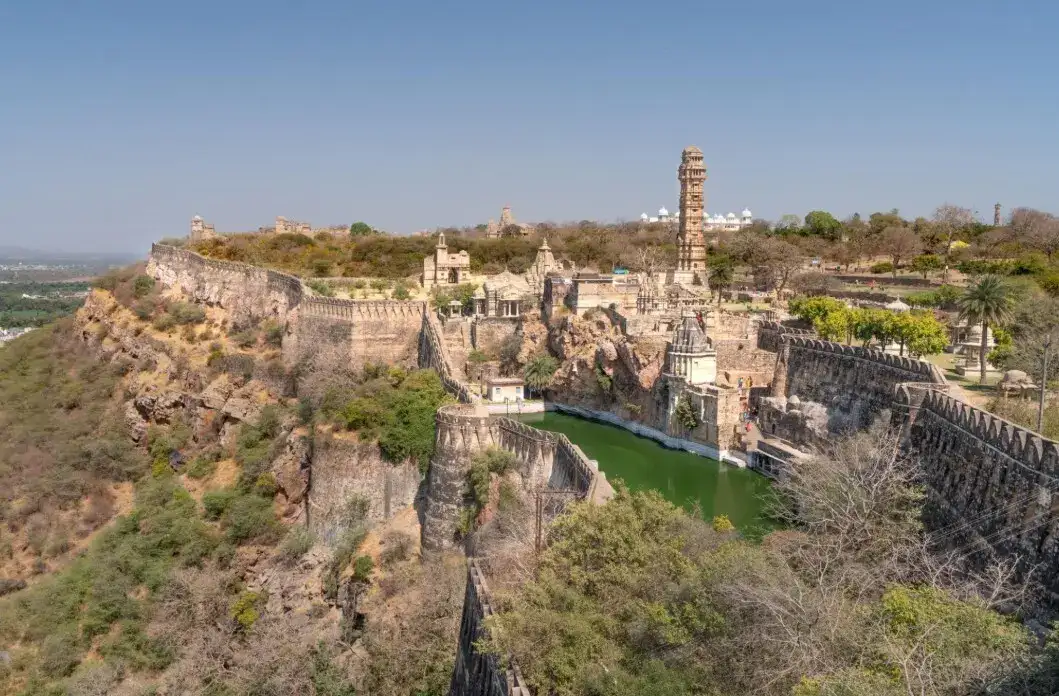 Image Credit: ChatGPT
Perched atop a hill, Chittorgarh Fort is one of the largest forts in India and a powerful symbol of Rajput courage and resilience. Its origins trace back to the 7th century, while many of its iconic structures were built centuries later and still stand proudly today.
The fort is home to the magnificent Vijay Stambh (Tower of Victory) and Kirti Stambh (Tower of Fame), both known for their detailed carvings and historical significance. Beyond its architecture, Chittorgarh is remembered for legendary tales of sacrifice, honour, and fierce resistance against invading forces.
Meenakshi Amman Temple, Tamil Nadu
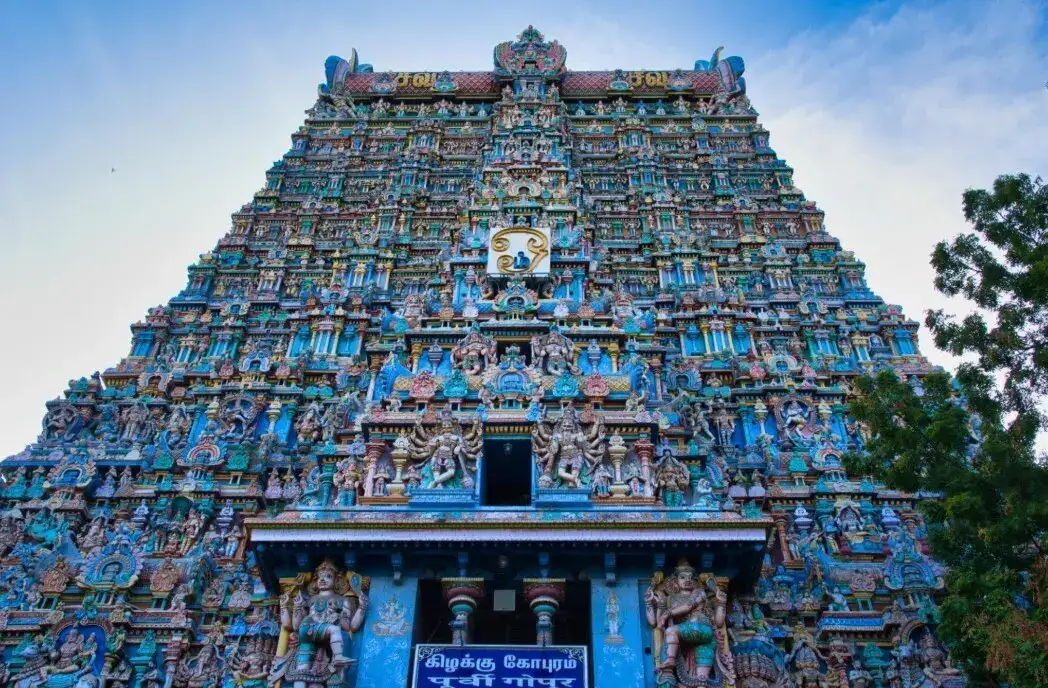 Image Credit: ChatGPT
Located in Madurai, the Meenakshi Amman Temple is one of India’s most celebrated religious landmarks. While the temple’s origins are believed to be nearly 2,000 years old, many of the grand structures visible today were rebuilt and expanded during the 16th century under the Nayak rulers.
Dedicated to Goddess Meenakshi and Lord Sundareswarar, the temple is renowned for its towering gopurams adorned with thousands of colourful sculptures. Every corner of the complex showcases remarkable craftsmanship, depicting deities, mythical beings, and scenes from ancient traditions.
Agra Fort, Uttar Pradesh
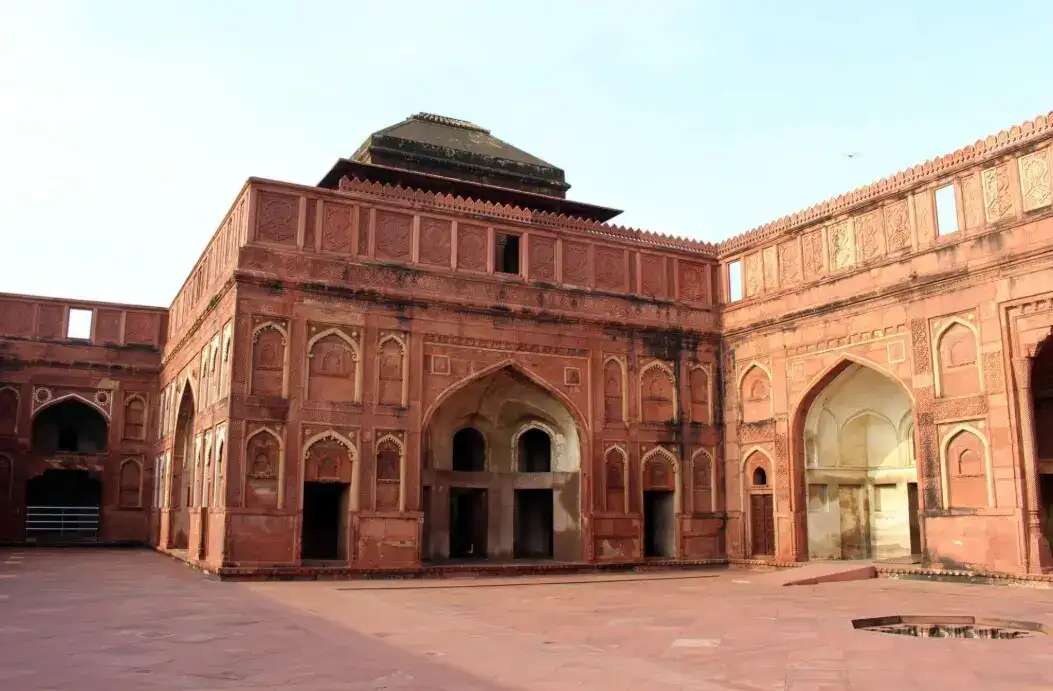 Image Credit: ChatGPT
Often overshadowed by the nearby Taj Mahal, Agra Fort is a masterpiece of Mughal architecture in its own right. Commissioned by Emperor Akbar in 1565, the massive fortress served as the principal residence of Mughal rulers for decades.
Built primarily from red sandstone, the fort combines Persian influences with traditional Indian design elements. Its impressive gateways, palaces, audience halls, and courtyards reveal the grandeur of the Mughal Empire and offer a glimpse into the lives of the emperors who once ruled from within its walls.
A Journey Through Centuries
These monuments are more than just architectural marvels, they are living reminders of India’s rich cultural and historical legacy. Whether it is the ruins of Hampi, the heroic tales of Chittorgarh, the spiritual splendour of Meenakshi Amman Temple, or the imperial grandeur of Agra Fort, each site offers a unique journey into a world that continues to inspire generations.
Hampi, Karnataka
Once the thriving capital of the mighty Vijayanagara Empire, Hampi remains one of India’s most spectacular historical destinations. Dating back to the 14th century, this UNESCO World Heritage Site is filled with stunning temple complexes, royal structures, and ancient marketplaces.
Among its biggest attractions are the Vittala Temple, famous for its intricate stone carvings, and the Virupaksha Temple, a revered place of worship that still draws devotees today. The elegant Lotus Mahal, with its distinctive architectural style, is another highlight that reflects the artistic excellence of the era.
Chittorgarh Fort, Rajasthan
Perched atop a hill, Chittorgarh Fort is one of the largest forts in India and a powerful symbol of Rajput courage and resilience. Its origins trace back to the 7th century, while many of its iconic structures were built centuries later and still stand proudly today.
The fort is home to the magnificent Vijay Stambh (Tower of Victory) and Kirti Stambh (Tower of Fame), both known for their detailed carvings and historical significance. Beyond its architecture, Chittorgarh is remembered for legendary tales of sacrifice, honour, and fierce resistance against invading forces.
Meenakshi Amman Temple, Tamil Nadu
Located in Madurai, the Meenakshi Amman Temple is one of India’s most celebrated religious landmarks. While the temple’s origins are believed to be nearly 2,000 years old, many of the grand structures visible today were rebuilt and expanded during the 16th century under the Nayak rulers.
Dedicated to Goddess Meenakshi and Lord Sundareswarar, the temple is renowned for its towering gopurams adorned with thousands of colourful sculptures. Every corner of the complex showcases remarkable craftsmanship, depicting deities, mythical beings, and scenes from ancient traditions.
Agra Fort, Uttar Pradesh
Often overshadowed by the nearby Taj Mahal, Agra Fort is a masterpiece of Mughal architecture in its own right. Commissioned by Emperor Akbar in 1565, the massive fortress served as the principal residence of Mughal rulers for decades.
Built primarily from red sandstone, the fort combines Persian influences with traditional Indian design elements. Its impressive gateways, palaces, audience halls, and courtyards reveal the grandeur of the Mughal Empire and offer a glimpse into the lives of the emperors who once ruled from within its walls.
A Journey Through Centuries
These monuments are more than just architectural marvels, they are living reminders of India’s rich cultural and historical legacy. Whether it is the ruins of Hampi, the heroic tales of Chittorgarh, the spiritual splendour of Meenakshi Amman Temple, or the imperial grandeur of Agra Fort, each site offers a unique journey into a world that continues to inspire generations. Next Story