
Holi 2026; Eco-Friendly Celebrations Gain Momentum Across India

Holi 2026; Green Celebrations Redefine The Festival Of Colours: Holi has always symbolised joy, colour, and community bonding, but in recent years, the way people celebrate the festival has begun to evolve. With growing awareness about environmental protection and personal wellness, Eco-Friendly Holi is gaining widespread popularity. Holi 2026 is expected to witness a stronger shift towards natural colours, water conservation, and sustainable celebration practices that preserve both tradition and nature.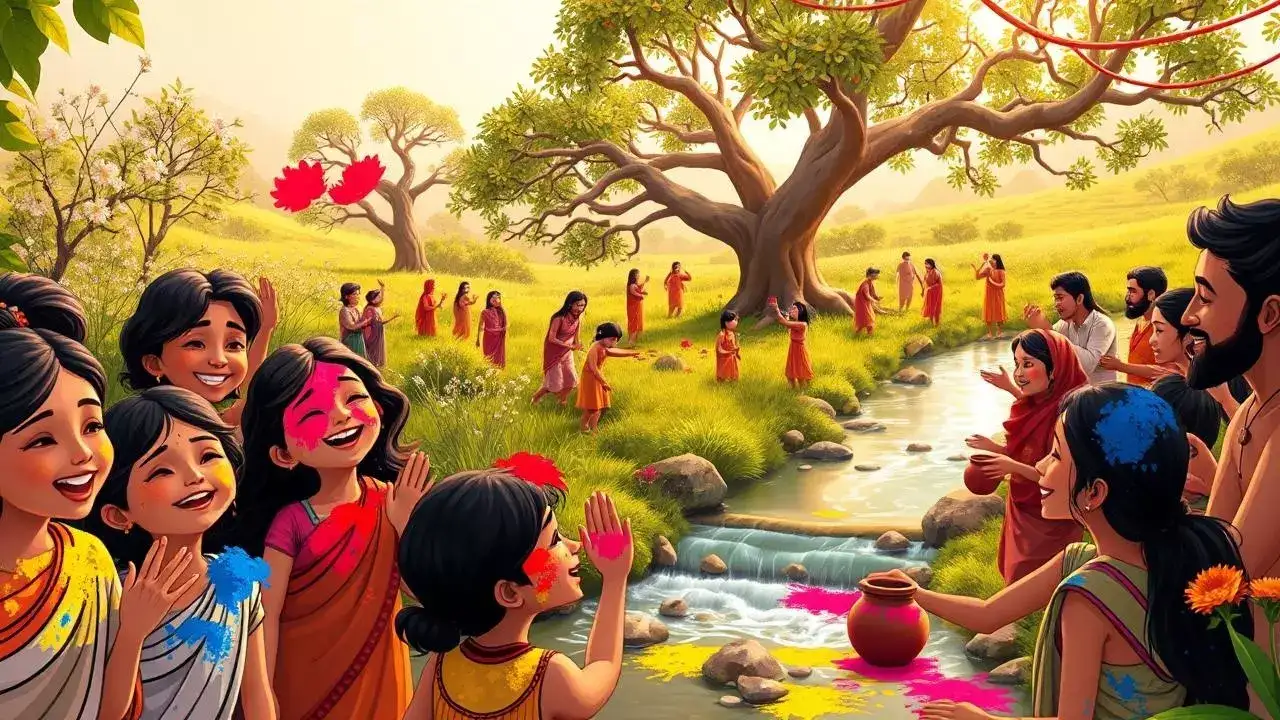
As a result, organic gulal made from plant extracts, dried petals, and food-grade ingredients is returning to popularity. Not only are these colours safer for the skin, but they are also biodegradable, reducing soil and water pollution after the festivities. Many households are even preparing colours at home, reviving age-old festive practices.
The idea is simple — celebrate the spirit of Holi without unnecessary resource consumption. Using flower petals, herbal powders, and symbolic colour application ensures the joy remains intact while conserving thousands of litres of water.
Rising Demand For Natural Colours
One of the most visible changes in Holi celebrations is the increasing preference for natural Holi colours . Traditionally, colours were made using flowers, turmeric, sandalwood, and herbs. Over time, chemical-based powders became common due to their low cost and bright pigments. However, these synthetic colours often cause skin allergies, eye irritation, and environmental harm.As a result, organic gulal made from plant extracts, dried petals, and food-grade ingredients is returning to popularity. Not only are these colours safer for the skin, but they are also biodegradable, reducing soil and water pollution after the festivities. Many households are even preparing colours at home, reviving age-old festive practices.
Water Conservation Takes Centre Stage
Water wastage during Holi has long been a concern, particularly in regions facing water scarcity. Sustainable Holi celebrations now encourage dry Holi, where people play using minimal or no water. Communities, schools, and residential societies are promoting this shift through awareness campaigns.The idea is simple — celebrate the spirit of Holi without unnecessary resource consumption. Using flower petals, herbal powders, and symbolic colour application ensures the joy remains intact while conserving thousands of litres of water.
Next Story