
Holi 2026: How The Festival Of Colours Strengthens Family Bonds

Holi 2026; Why Families Reconnect Deeply During The Festival: Holi, widely known as the festival of colours, is far more than a vibrant celebration of gulal and sweets. Across India, it serves as a powerful cultural thread that ties families together. Celebrated with enthusiasm by people of all ages, Holi creates moments where generational gaps dissolve, conversations revive, and shared memories take centre stage. In a fast-moving world where families often struggle to find time, Holi becomes an occasion to reconnect emotionally and culturally.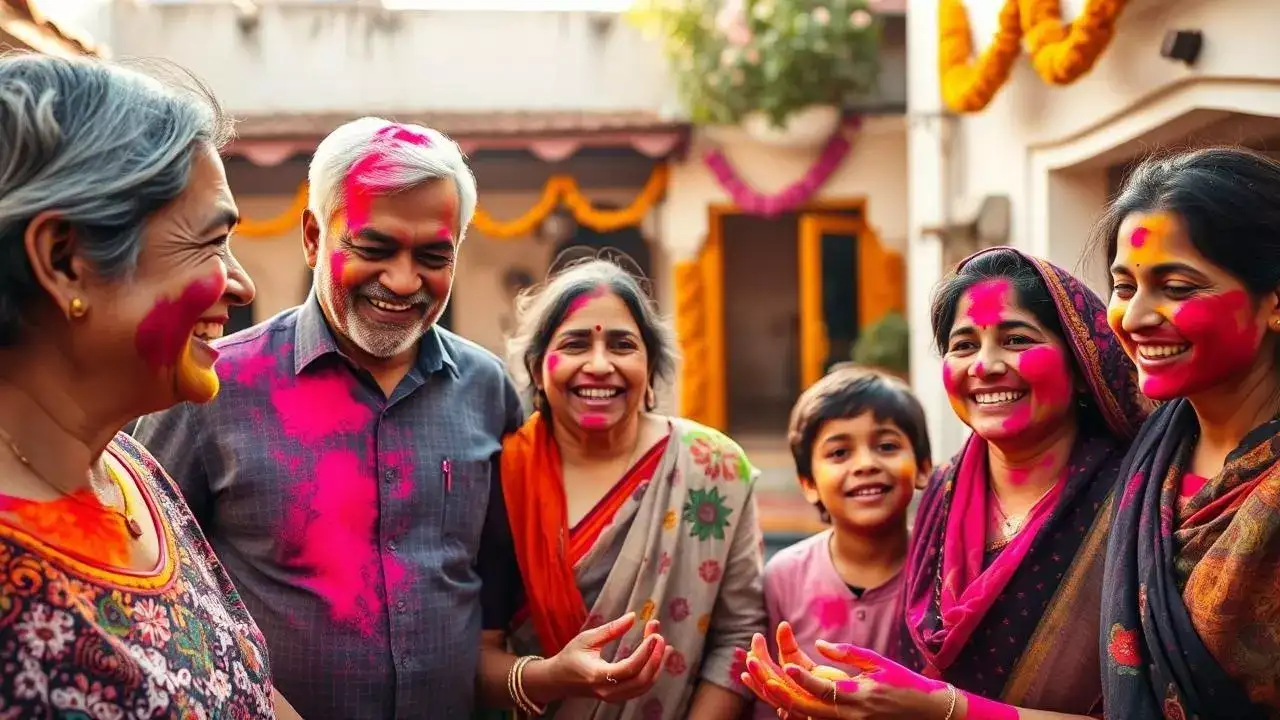
Elders often guide traditional rituals, while younger members contribute with modern celebration ideas. This exchange fosters mutual respect and ensures that cultural knowledge flows smoothly from one generation to the next.
Grandparents and parents often narrate mythological stories and moral lessons associated with Holi. These storytelling moments become informal cultural classrooms where children learn values, history, and symbolism in an engaging way.
Such rituals strengthen identity and create a sense of belonging that extends beyond the day of celebration.
Families gather in kitchens to prepare gujiya, malpua, dahi bhalla, thandai, and regional delicacies. Cooking together becomes an act of bonding rather than just a task. Elders share culinary secrets, while younger members assist and learn.
These shared food experiences create lasting memories and keep culinary heritage alive within families.
Relatives who may not meet frequently make it a point to visit one another. Greetings, laughter, and colour play create a relaxed environment where conversations flow easily.
This emotional reset strengthens strained relationships and reinforces familial warmth.
Younger generations often introduce creative elements, making celebrations more inclusive and lively. Meanwhile, elders ensure cultural authenticity is preserved.
This balance allows Holi to remain relevant across age groups while continuing its legacy of togetherness.
As children grow into adults, they recreate similar experiences for the next generation, continuing the cycle of cultural and emotional continuity.
Photographs, videos, and family traditions become treasured archives of shared happiness.
Holi’s true strength lies not just in its colours but in its capacity to nurture relationships. By encouraging participation, storytelling, forgiveness, and shared joy, the festival reinforces the emotional foundation of families. Across generations, it remains a celebration where love, laughter, and legacy come together in the most vibrant way possible.
A Festival That Encourages Togetherness
One of the most beautiful aspects of Holi family bonding is the way it brings everyone under one roof. Preparations begin days in advance, naturally encouraging collaboration. From cleaning homes to arranging colours, sweets, and festive meals, each family member plays a role.Elders often guide traditional rituals, while younger members contribute with modern celebration ideas. This exchange fosters mutual respect and ensures that cultural knowledge flows smoothly from one generation to the next.
Reviving Traditions Through Rituals
Holi rituals vary across regions, but their emotional essence remains universal. Lighting the Holika bonfire, offering prayers, and performing family customs create a spiritual foundation for the celebrations.Grandparents and parents often narrate mythological stories and moral lessons associated with Holi. These storytelling moments become informal cultural classrooms where children learn values, history, and symbolism in an engaging way.
Such rituals strengthen identity and create a sense of belonging that extends beyond the day of celebration.
Food As A Bridge Between Generations
Festive cuisine plays a significant role in Holi celebrations in India. Traditional dishes prepared during Holi are often recipes passed down through generations.Families gather in kitchens to prepare gujiya, malpua, dahi bhalla, thandai, and regional delicacies. Cooking together becomes an act of bonding rather than just a task. Elders share culinary secrets, while younger members assist and learn.
These shared food experiences create lasting memories and keep culinary heritage alive within families.
You may also like
- JJ Valaya's SIDDI was a love letter to heritage, craft and timeless couture
- From Delhi to Odisha: Heavy to extremely heavy rainfall expected across India; IMD warns of flooding and travel disruptions
- Word of the day: Bollard
- Makeup brand giving away 1,000s of free driving lessons because their primer is so strong
- Quote of the Day by Confucius, "When you see a worthy person, endeavor to emulate him. When you see an unworthy person, then...."
Breaking Barriers And Healing Relationships
Holi carries a unique emotional freedom. The playful application of colours symbolises equality, forgiveness, and fresh beginnings. Differences that may have built up over the year often dissolve in the spirit of the festival.Relatives who may not meet frequently make it a point to visit one another. Greetings, laughter, and colour play create a relaxed environment where conversations flow easily.
This emotional reset strengthens strained relationships and reinforces familial warmth.
Blending Modern And Traditional Celebrations
Today’s Holi celebrations reflect a blend of tradition and contemporary lifestyles. While rituals remain intact, families now incorporate music playlists, eco-friendly colours, themed gatherings, and digital photo sharing.Younger generations often introduce creative elements, making celebrations more inclusive and lively. Meanwhile, elders ensure cultural authenticity is preserved.
This balance allows Holi to remain relevant across age groups while continuing its legacy of togetherness.
Creating Memories That Last A Lifetime
Perhaps the most enduring impact of Holi lies in the memories it creates. Childhood recollections of playing with cousins, receiving blessings from elders, and enjoying festive feasts often remain vivid for life.As children grow into adults, they recreate similar experiences for the next generation, continuing the cycle of cultural and emotional continuity.
Photographs, videos, and family traditions become treasured archives of shared happiness.
Holi’s true strength lies not just in its colours but in its capacity to nurture relationships. By encouraging participation, storytelling, forgiveness, and shared joy, the festival reinforces the emotional foundation of families. Across generations, it remains a celebration where love, laughter, and legacy come together in the most vibrant way possible.






Loving Newspoint? Download the app now
