
Homemade Juice vs Bottled Juice: Which Should You Drink?

A glass of fruit juice is often seen as a healthy way to stay refreshed and boost nutrition. However, not all juices offer the same benefits. While homemade juice is prepared from fresh fruits, packaged juice undergoes processing to improve shelf life and convenience. Understanding the differences between the two can help you make smarter choices for your daily diet. Here's how homemade juice compares with packaged juice.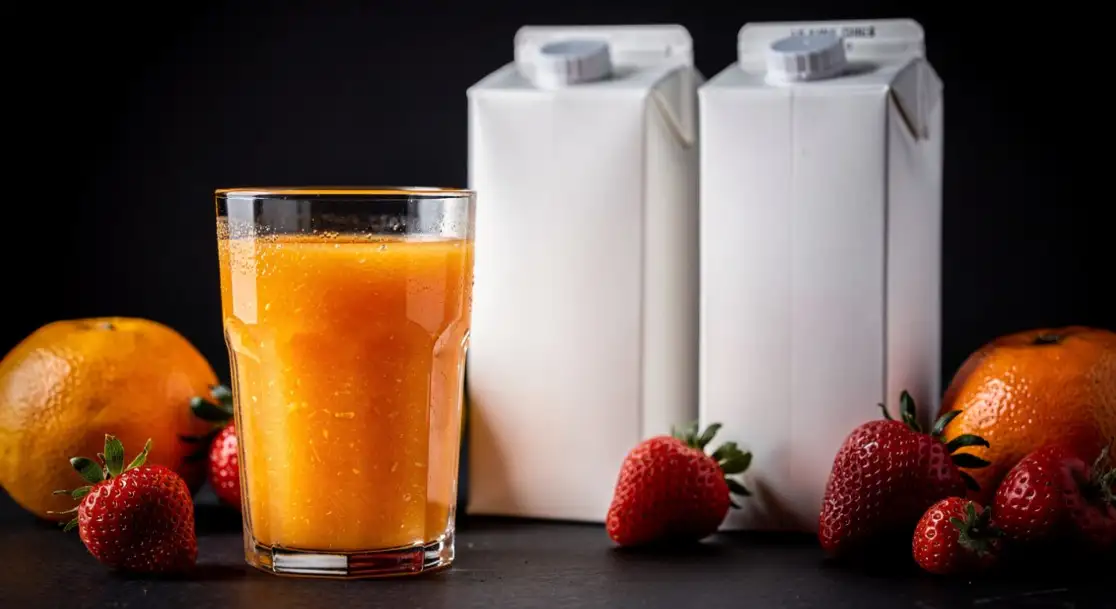
Freshness Makes a Difference
Homemade juice is made using fresh fruits and is usually consumed immediately, helping preserve many natural vitamins and antioxidants. Packaged juice, on the other hand, is processed, pasteurized, and stored for extended periods, which may reduce the levels of certain heat-sensitive nutrients.
Nutritional Value
Freshly prepared juice generally contains more naturally occurring vitamins, minerals, and plant compounds. Although many packaged juices are fortified with additional nutrients, they may not provide the same nutritional profile as freshly extracted juice from whole fruits.
Added Sugar and Preservatives
One of the biggest differences lies in the ingredients. Homemade juice contains only the fruits you choose, while some packaged juices may include added sugar, artificial flavors, preservatives, or sweeteners. Reading the nutrition label is essential, as not all packaged juices are created equal.
Fiber Content
Most homemade juices retain very little fiber unless they are blended into smoothies. However, freshly blended fruit drinks can preserve much of the fruit's natural fiber. Many packaged juices also contain little or no fiber because the pulp is removed during processing, making them less filling than whole fruits.
Taste and Flavor
Homemade juice delivers the natural taste of fresh fruits without additives. Its flavor can vary depending on the ripeness and quality of the produce. Packaged juice offers consistent taste throughout the year, but the flavor may not fully match the freshness of freshly squeezed fruit.
Shelf Life and Convenience
Packaged juice wins when it comes to convenience. It can be stored for weeks or even months before opening, making it easy for busy lifestyles. Homemade juice has a very short shelf life and is best consumed within a few hours to maintain freshness and nutritional quality.
Cost Comparison
Preparing juice at home may be more economical during the local fruit season but can become expensive when fruits are out of season. Packaged juice often offers a more affordable and convenient option for regular consumption, especially when buying larger quantities.
Food Safety
When prepared with clean equipment and properly washed fruits, homemade juice is safe and healthy. However, it should be consumed soon after preparation to minimize the risk of bacterial growth. Commercial packaged juices are pasteurized, making them generally safe to store and consume for longer periods.
Environmental Impact
Homemade juice usually creates less packaging waste, particularly when locally grown fruits are used. Packaged juice often comes in cartons, plastic bottles, or cans that require recycling or disposal, contributing to environmental waste if not managed responsibly.
Which One Should You Choose?
For everyday nutrition, homemade juice is generally the healthier choice because it is fresher, free from unnecessary additives, and rich in naturally occurring nutrients. However, packaged juice can be a practical alternative when fresh fruits or preparation time are unavailable. If choosing packaged juice, opt for products labeled 100% fruit juice with no added sugar and consume them in moderation.
Both homemade and packaged juices have their advantages, but they are not nutritionally equal. Homemade juice offers greater freshness and better control over ingredients, while packaged juice provides convenience and longer storage. For the best overall health benefits, prioritize fresh fruits and homemade juice whenever possible, and enjoy packaged juice as an occasional substitute rather than a daily staple.
Freshness Makes a Difference
Homemade juice is made using fresh fruits and is usually consumed immediately, helping preserve many natural vitamins and antioxidants. Packaged juice, on the other hand, is processed, pasteurized, and stored for extended periods, which may reduce the levels of certain heat-sensitive nutrients. Nutritional Value
Freshly prepared juice generally contains more naturally occurring vitamins, minerals, and plant compounds. Although many packaged juices are fortified with additional nutrients, they may not provide the same nutritional profile as freshly extracted juice from whole fruits.Added Sugar and Preservatives
One of the biggest differences lies in the ingredients. Homemade juice contains only the fruits you choose, while some packaged juices may include added sugar, artificial flavors, preservatives, or sweeteners. Reading the nutrition label is essential, as not all packaged juices are created equal. Fiber Content
Most homemade juices retain very little fiber unless they are blended into smoothies. However, freshly blended fruit drinks can preserve much of the fruit's natural fiber. Many packaged juices also contain little or no fiber because the pulp is removed during processing, making them less filling than whole fruits.You may also like
- Erling Haaland's home is an abode of warmth laden with a tinge of freshness: Art inspirations to take away
- Parenting Tips: 5 Things You Should Never, Ever Say to Your Kids
- Persian proverb of the day: "A bad wound heals, but a bad word doesn't" - a timeless lesson on the lasting damage of harsh words
- Why Is My Newborn Sneezing So Much? Is It Normal?
- Centre Pulls Up Meta Over WhatsApp Username Feature Amid Rising Online Fraud Concerns | Cliq Latest
Taste and Flavor
Homemade juice delivers the natural taste of fresh fruits without additives. Its flavor can vary depending on the ripeness and quality of the produce. Packaged juice offers consistent taste throughout the year, but the flavor may not fully match the freshness of freshly squeezed fruit. Shelf Life and Convenience
Packaged juice wins when it comes to convenience. It can be stored for weeks or even months before opening, making it easy for busy lifestyles. Homemade juice has a very short shelf life and is best consumed within a few hours to maintain freshness and nutritional quality. Cost Comparison
Preparing juice at home may be more economical during the local fruit season but can become expensive when fruits are out of season. Packaged juice often offers a more affordable and convenient option for regular consumption, especially when buying larger quantities. Food Safety
When prepared with clean equipment and properly washed fruits, homemade juice is safe and healthy. However, it should be consumed soon after preparation to minimize the risk of bacterial growth. Commercial packaged juices are pasteurized, making them generally safe to store and consume for longer periods.Environmental Impact
Homemade juice usually creates less packaging waste, particularly when locally grown fruits are used. Packaged juice often comes in cartons, plastic bottles, or cans that require recycling or disposal, contributing to environmental waste if not managed responsibly. Which One Should You Choose?
For everyday nutrition, homemade juice is generally the healthier choice because it is fresher, free from unnecessary additives, and rich in naturally occurring nutrients. However, packaged juice can be a practical alternative when fresh fruits or preparation time are unavailable. If choosing packaged juice, opt for products labeled 100% fruit juice with no added sugar and consume them in moderation. Both homemade and packaged juices have their advantages, but they are not nutritionally equal. Homemade juice offers greater freshness and better control over ingredients, while packaged juice provides convenience and longer storage. For the best overall health benefits, prioritize fresh fruits and homemade juice whenever possible, and enjoy packaged juice as an occasional substitute rather than a daily staple.






More from our partners


Loving Newspoint? Download the app now
