
Homemade Juice vs Bottled Juice: Which Should You Drink?

A glass of fruit juice is often seen as a healthy way to stay refreshed and boost nutrition. However, not all juices offer the same benefits. While homemade juice is prepared from fresh fruits, packaged juice undergoes processing to improve shelf life and convenience. Understanding the differences between the two can help you make smarter choices for your daily diet. Here's how homemade juice compares with packaged juice.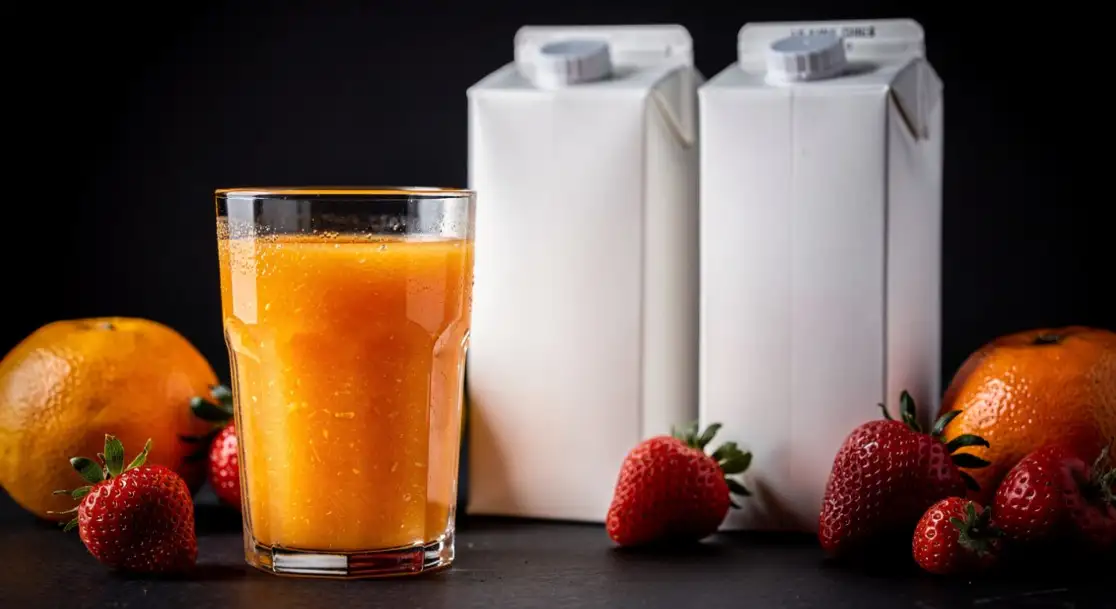
Freshness Makes a Difference
Homemade juice is made using fresh fruits and is usually consumed immediately, helping preserve many natural vitamins and antioxidants. Packaged juice, on the other hand, is processed, pasteurized, and stored for extended periods, which may reduce the levels of certain heat-sensitive nutrients.
Nutritional Value
Freshly prepared juice generally contains more naturally occurring vitamins, minerals, and plant compounds. Although many packaged juices are fortified with additional nutrients, they may not provide the same nutritional profile as freshly extracted juice from whole fruits.
Added Sugar and Preservatives
One of the biggest differences lies in the ingredients. Homemade juice contains only the fruits you choose, while some packaged juices may include added sugar, artificial flavors, preservatives, or sweeteners. Reading the nutrition label is essential, as not all packaged juices are created equal.
Fiber Content
Most homemade juices retain very little fiber unless they are blended into smoothies. However, freshly blended fruit drinks can preserve much of the fruit's natural fiber. Many packaged juices also contain little or no fiber because the pulp is removed during processing, making them less filling than whole fruits.
Freshness Makes a Difference
Homemade juice is made using fresh fruits and is usually consumed immediately, helping preserve many natural vitamins and antioxidants. Packaged juice, on the other hand, is processed, pasteurized, and stored for extended periods, which may reduce the levels of certain heat-sensitive nutrients. Nutritional Value
Freshly prepared juice generally contains more naturally occurring vitamins, minerals, and plant compounds. Although many packaged juices are fortified with additional nutrients, they may not provide the same nutritional profile as freshly extracted juice from whole fruits.Added Sugar and Preservatives
One of the biggest differences lies in the ingredients. Homemade juice contains only the fruits you choose, while some packaged juices may include added sugar, artificial flavors, preservatives, or sweeteners. Reading the nutrition label is essential, as not all packaged juices are created equal. Fiber Content
Most homemade juices retain very little fiber unless they are blended into smoothies. However, freshly blended fruit drinks can preserve much of the fruit's natural fiber. Many packaged juices also contain little or no fiber because the pulp is removed during processing, making them less filling than whole fruits.Next Story