
Hormuz: Iran’s Rainbow Island Where Earth Wears Art

Imagine walking on a beach where the sand glows red under your feet, hiking through hills striped in orange, yellow, and violet, or standing in salt caves that glisten like crystal palaces. Welcome to Hormuz Island , Iran’s mesmerizing “Rainbow Island.” This tiny island in the Persian Gulf is a hidden gem packed with jaw-dropping natural wonders, geological phenomena, and rich history. Whether you're a nature lover, history buff, or just someone with a curious soul, Hormuz is bound to steal your heart. Let's dive into the most fascinating facts about this colorful island paradise.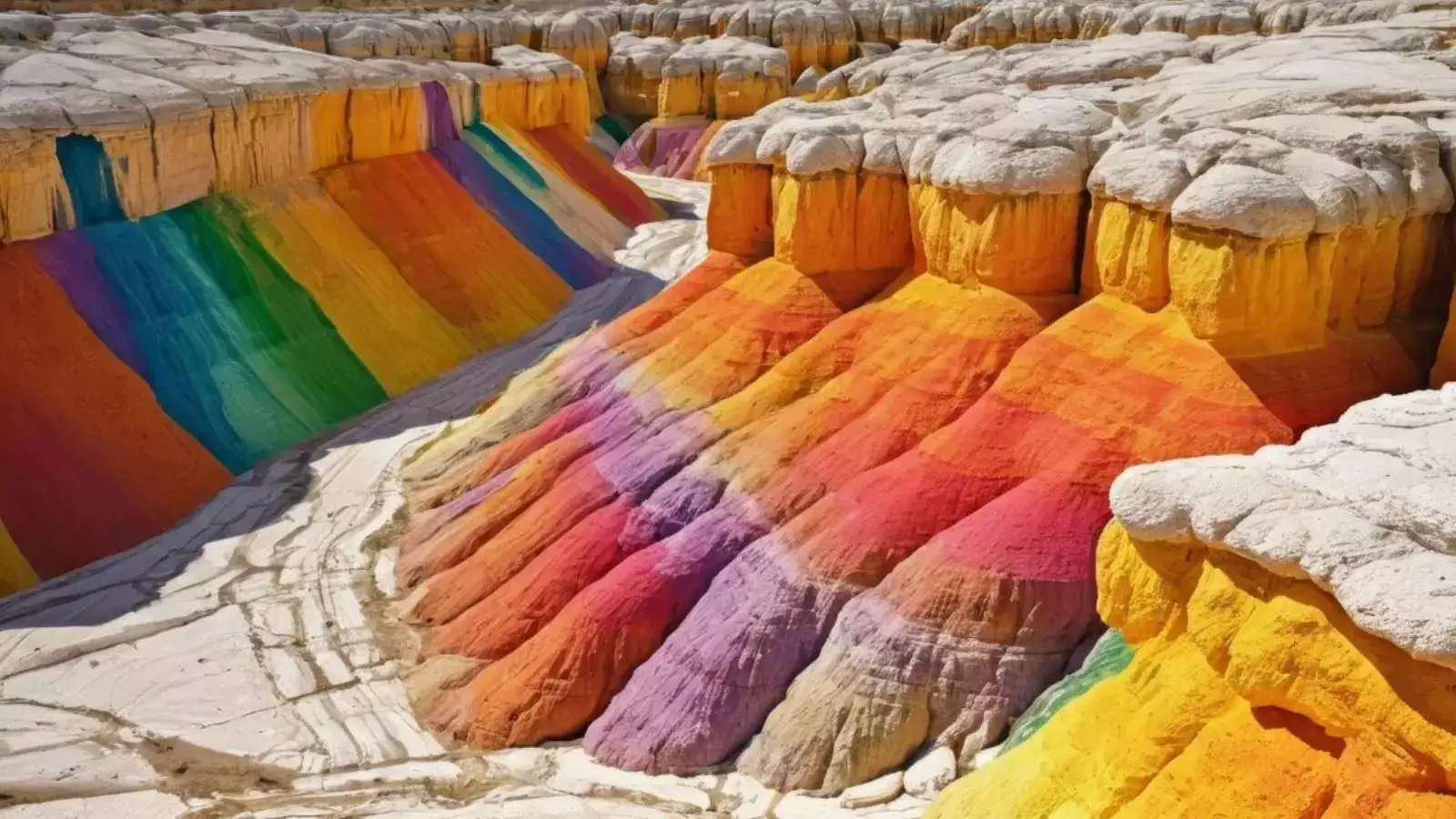
A Geologist’s Dream: Over 70 Colored Earths
Hormuz Island is famous for its stunningly colorful terrain. The island’s soil and mountains come in a breathtaking palette of reds, yellows, oranges, whites, and even purples. These colors are due to the high concentration of minerals and iron oxides in the soil. In fact, geologists have identified over 70 different types of colored earth on the island, making it one of the most geologically diverse places in the world.
The Red Beach of Hormuz
One of the most iconic sights on the island is its red beach, where iron-rich soil gives the sand a striking crimson hue. When the waves crash against the shore, they turn a deep rust-red, creating a surreal visual experience. The red soil, called Gelack by locals, is not only visually unique but is also used in local art and even as a natural spice in traditional dishes.
Salt Cave Wonders
Hormuz is home to some of the most beautiful salt caves in Iran, formed by the gradual crystallization of salt over thousands of years. These caves sparkle with naturally occurring salt crystals and are believed to have therapeutic benefits for respiratory ailments. The salty atmosphere and serene ambiance offer a peaceful retreat for visitors.
A Legacy of Trade and History
Hormuz Island has a rich historical background. In ancient times, it was a critical hub on the Silk Road maritime trade routes. The Portuguese Fort, a relic from the 16th century, stands as a testament to the island’s strategic importance. Today, its ruins overlook the Persian Gulf and provide a dramatic backdrop to the colorful landscape.
A Geologist’s Dream: Over 70 Colored Earths
Hormuz Island is famous for its stunningly colorful terrain. The island’s soil and mountains come in a breathtaking palette of reds, yellows, oranges, whites, and even purples. These colors are due to the high concentration of minerals and iron oxides in the soil. In fact, geologists have identified over 70 different types of colored earth on the island, making it one of the most geologically diverse places in the world.
The Red Beach of Hormuz
One of the most iconic sights on the island is its red beach, where iron-rich soil gives the sand a striking crimson hue. When the waves crash against the shore, they turn a deep rust-red, creating a surreal visual experience. The red soil, called Gelack by locals, is not only visually unique but is also used in local art and even as a natural spice in traditional dishes.
Salt Cave Wonders
Hormuz is home to some of the most beautiful salt caves in Iran, formed by the gradual crystallization of salt over thousands of years. These caves sparkle with naturally occurring salt crystals and are believed to have therapeutic benefits for respiratory ailments. The salty atmosphere and serene ambiance offer a peaceful retreat for visitors.
A Legacy of Trade and History
Hormuz Island has a rich historical background. In ancient times, it was a critical hub on the Silk Road maritime trade routes. The Portuguese Fort, a relic from the 16th century, stands as a testament to the island’s strategic importance. Today, its ruins overlook the Persian Gulf and provide a dramatic backdrop to the colorful landscape.
Next Story