
India's Hottest Chilli: Why Bhut Jolokia Became A Guinness World Record Holder

Indian cuisine is known for its bold flavours and generous use of spices, but some chillies are considerably hotter than the everyday varieties found in kitchens. Among them, Bhut Jolokia has earned an extraordinary reputation.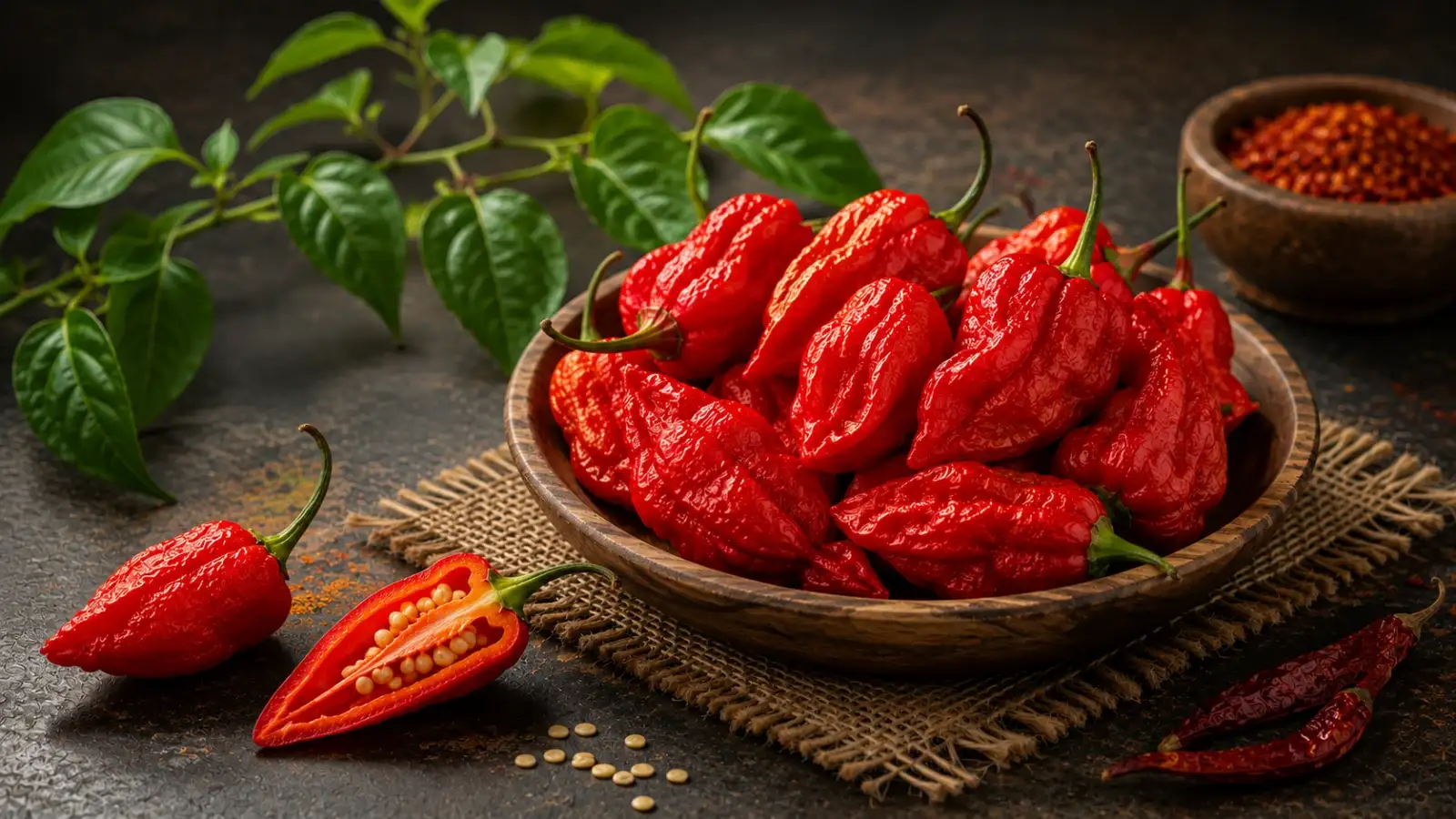
Also known as Ghost Pepper and Naga Jolokia , this wrinkled chilli from Northeast India became internationally famous after recording a heat level of more than one million Scoville Heat Units . Its intense spice and distinctive regional identity have made it one of India's most recognisable chillies.
The testing was conducted by researchers associated with New Mexico State University's Chile Pepper Institute, with the findings verified independently.
The title was eventually taken by even hotter chilli varieties, but Bhut Jolokia's record remains an important milestone in the history of super-hot peppers.
Bhut Jolokia's million-plus SHU rating places it far above common chillies such as jalapeños, which generally measure only a few thousand SHU.
That means even a small amount of Ghost Pepper can dramatically increase the heat of a dish.
The chilli has strong cultural and culinary connections with the area. The Naga King Chilli, also known as Bhut Jolokia, is associated with Nagaland's Peren district and has received a geographical indication, highlighting its regional identity.
Also Read: Cheesy Chilli Toast Recipe: Easy Homemade Snack In 10 Minutes
In Northeast Indian cuisine, it is used in chutneys, pickles, spice pastes and meat dishes. Because of its exceptional heat, cooks generally use it sparingly. A small piece can add considerable fire to an entire preparation.
Its distinctive flavour, beyond its heat, has also helped make Bhut Jolokia a sought-after ingredient outside the region.
There are different explanations surrounding the origin of the name, but the Ghost Pepper nickname has become firmly established internationally.
Also Read: 9 Easy Tips To Grow Green Chilli Plant In Pots At Home
From traditional chutneys and pickles to international food experiments, this fiery chilli continues to stand out for its extraordinary heat, distinctive flavour and important place in India's culinary heritage.
Also known as Ghost Pepper and Naga Jolokia , this wrinkled chilli from Northeast India became internationally famous after recording a heat level of more than one million Scoville Heat Units . Its intense spice and distinctive regional identity have made it one of India's most recognisable chillies.
Bhut Jolokia Once Held The Guinness World Record
In 2007, Bhut Jolokia was officially recognised by Guinness World Records as the world's hottest chilli pepper . Tests recorded an average heat level of 1,001,304 Scoville Heat Units (SHU).The testing was conducted by researchers associated with New Mexico State University's Chile Pepper Institute, with the findings verified independently.
The title was eventually taken by even hotter chilli varieties, but Bhut Jolokia's record remains an important milestone in the history of super-hot peppers.
Just How Hot Is The Ghost Pepper?
The Scoville Heat Units scale is used to measure the heat of chilli peppers, based largely on their capsaicin content. Capsaicin is the compound responsible for the burning sensation associated with spicy foods.Bhut Jolokia's million-plus SHU rating places it far above common chillies such as jalapeños, which generally measure only a few thousand SHU.
That means even a small amount of Ghost Pepper can dramatically increase the heat of a dish.
Where Is Bhut Jolokia Found In India?
Bhut Jolokia is closely associated with India's Northeast, particularly Assam and Nagaland. It is also grown in other parts of the northeastern region.You may also like
- Kerala man travels for 14 hours in an autorickshaw to return a US woman's ATM card: 'His name is Krishna; tell me karma doesn't exist'
- A balcony garden for renters – no drills, no holes
- How to make your tiny balcony feel like an evening garden
- He has a PhD, MPhil, multiple degrees and years of academic experience, yet drives a cab after college hours; Why Dr E Thirumalai Raja's viral resume is raising questions about India's academic system
- Abu Dhabi-born Malayali Kaziah Liz Mejo crowned Miss Universe India 2026
The chilli has strong cultural and culinary connections with the area. The Naga King Chilli, also known as Bhut Jolokia, is associated with Nagaland's Peren district and has received a geographical indication, highlighting its regional identity.
Also Read: Cheesy Chilli Toast Recipe: Easy Homemade Snack In 10 Minutes
How Is India's Hottest Chilli Used In Food?
Despite its extreme heat, Bhut Jolokia is not simply a novelty chilli. It has a genuine place in regional cooking.In Northeast Indian cuisine, it is used in chutneys, pickles, spice pastes and meat dishes. Because of its exceptional heat, cooks generally use it sparingly. A small piece can add considerable fire to an entire preparation.
Its distinctive flavour, beyond its heat, has also helped make Bhut Jolokia a sought-after ingredient outside the region.
Why Is Bhut Jolokia Called Ghost Pepper?
Bhut Jolokia is widely known in English as Ghost Pepper. The name comes from the Assamese term "bhut jolokia", with "bhut" commonly translated as "ghost".There are different explanations surrounding the origin of the name, but the Ghost Pepper nickname has become firmly established internationally.
Also Read: 9 Easy Tips To Grow Green Chilli Plant In Pots At Home
Why Bhut Jolokia Still Matters
Although it no longer holds the title of the world's hottest chilli, Bhut Jolokia remains a landmark in the history of super-hot peppers. Its record-breaking heat brought global attention to a chilli deeply rooted in Northeast India's food culture.From traditional chutneys and pickles to international food experiments, this fiery chilli continues to stand out for its extraordinary heat, distinctive flavour and important place in India's culinary heritage.






Loving Newspoint? Download the app now
