
Nothing You See Online Is Coincidental But The Algorithm

Have you ever wondered why a specific thing suddenly starts appearing on your feed? You discussed something with your friends, and the next moment, it’s all over your screen. You search for a product once, and suddenly every app is showing you ads about it. Even things you didn’t search for, just thought about, somehow start popping up on your feed.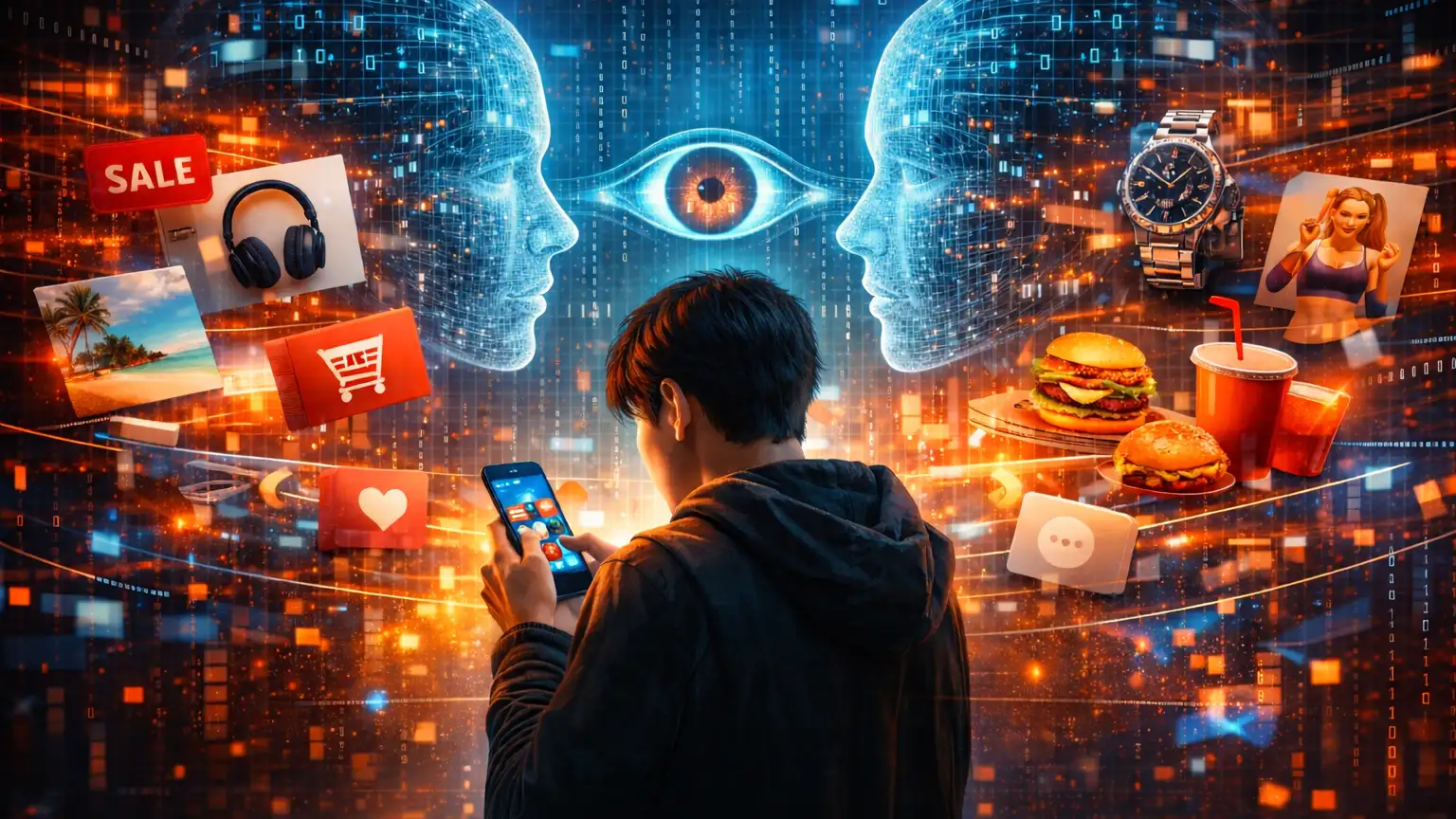
You didn’t choose to see that video. You didn’t search for that reel. And yet, somehow, it showed up at the exact moment you needed it or thought you did. You don’t even notice it happening. It feels random, almost creepy, but it’s not random at all. It’s not even a coincidence it’s design.
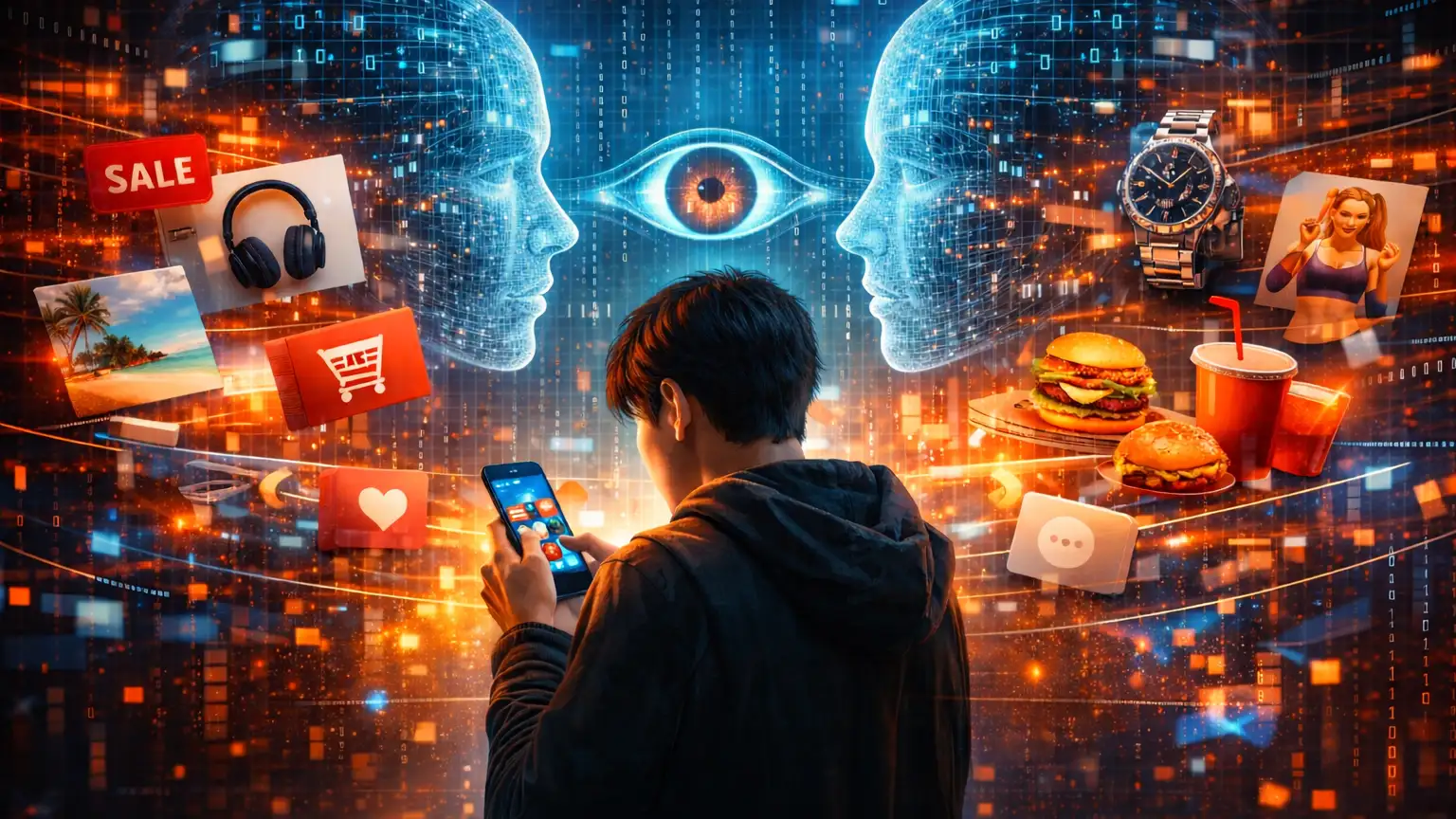
We want to think that we are in charge of what we like, watch, and think. But the uncomfortable truth is that much of our online behavior is subtly influenced by things we are not even aware of. The algorithm observes you, learns from you, studies you, and then gradually begins making decisions on your behalf.
In your Feed, every scroll, every pause, every like, it’s all data. Even the videos you are not interested in matter. The extra second you spend watching something, the content you replay, the posts you skip, it’s all feeding a system that is constantly building a version of you. A digital shadow that understands your patterns better than you do.
But this raises a bigger question if something else is constantly tracking your actions, influencing what you see, what you think, and what you feel, how much of your life is actually your own? We are slowly moving from making choices to being guided by recommendations. From exploring things ourselves to being shown what we are most likely to engage with. Convenience has replaced our curiosity. And in this process, we may be losing something important, which is our ability to think independently.
But this doesn’t make the algorithm evil; it's doing exactly what it's designed to do, which is keeping the audience engaged. But the cost of the engagement is your attention and your will to choose what you see.
You didn’t choose to see that video. You didn’t search for that reel. And yet, somehow, it showed up at the exact moment you needed it or thought you did. You don’t even notice it happening. It feels random, almost creepy, but it’s not random at all. It’s not even a coincidence it’s design.
We want to think that we are in charge of what we like, watch, and think. But the uncomfortable truth is that much of our online behavior is subtly influenced by things we are not even aware of. The algorithm observes you, learns from you, studies you, and then gradually begins making decisions on your behalf.
You may also like
- No visa-on-arrival for Pakistanis in Qatar: Pak Embassy in Doha issues new travel advisory
- If monthly period pain is exhausting, include these 7 things in your diet to strengthen your body
- 7 Bhagavad Gita Lessons That Can End Overthinking Forever
- Cotton Care: Tired of Wrinkled Cottons? Here's How to Keep Them Looking Freshly Ironed!
- Smokey Eye: Nail the Perfect Party Look in Minutes & Be the Centre of Attention
In your Feed, every scroll, every pause, every like, it’s all data. Even the videos you are not interested in matter. The extra second you spend watching something, the content you replay, the posts you skip, it’s all feeding a system that is constantly building a version of you. A digital shadow that understands your patterns better than you do.
But this raises a bigger question if something else is constantly tracking your actions, influencing what you see, what you think, and what you feel, how much of your life is actually your own? We are slowly moving from making choices to being guided by recommendations. From exploring things ourselves to being shown what we are most likely to engage with. Convenience has replaced our curiosity. And in this process, we may be losing something important, which is our ability to think independently.
But this doesn’t make the algorithm evil; it's doing exactly what it's designed to do, which is keeping the audience engaged. But the cost of the engagement is your attention and your will to choose what you see.






More from our partners


Loving Newspoint? Download the app now
