
Best Time to Eat Pineapple and How to Include It in Your Diet

Pineapple is a sweet, juicy fruit packed with vitamin C, enzymes, and antioxidants. When eaten correctly and at the right time, it can support digestion, boost immunity, and improve overall wellness. However, timing and portion control play a key role in getting the best benefits without discomfort.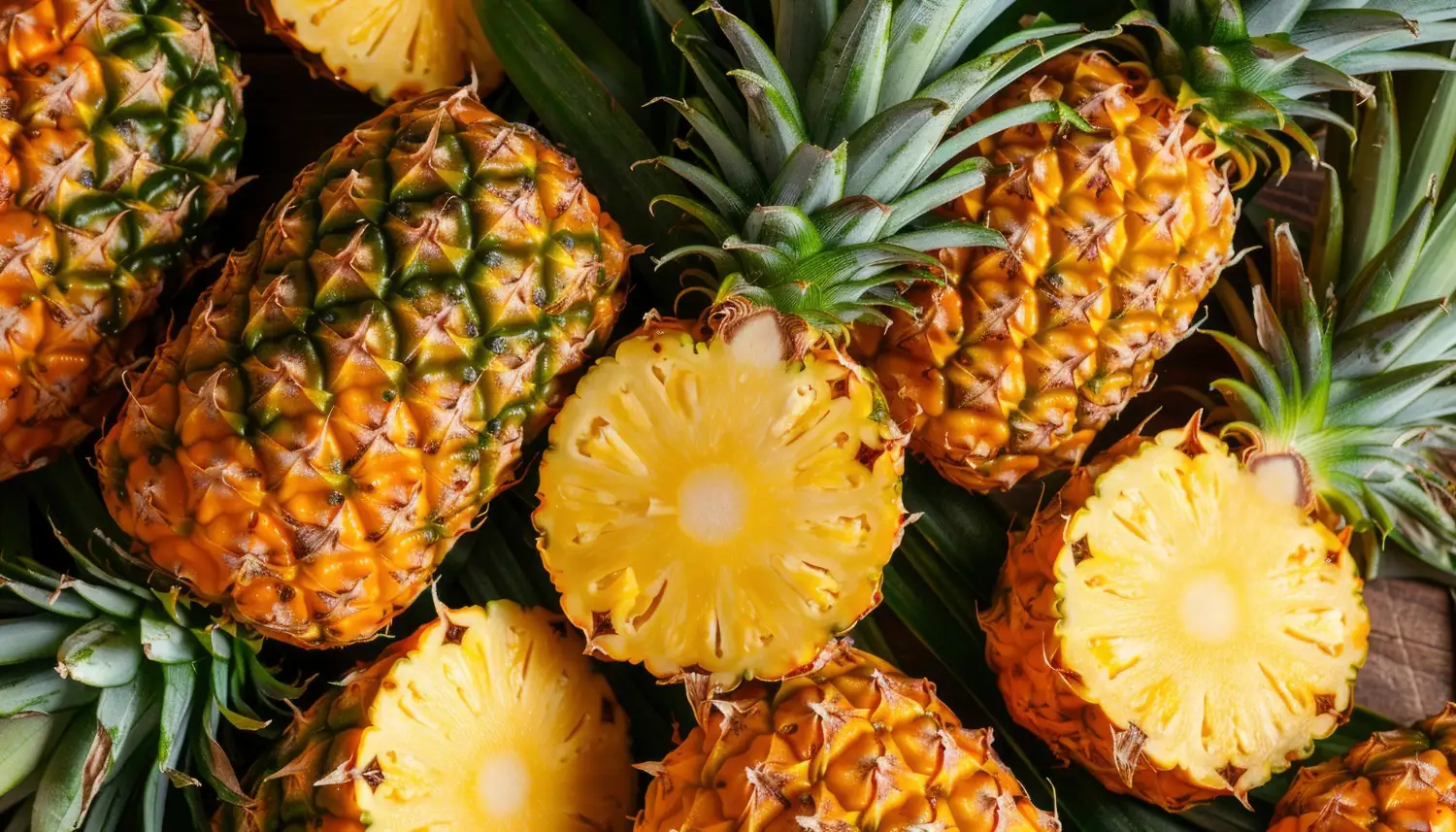
Best Time to Eat Pineapple
Morning or daytime is considered ideal for consuming pineapple. Eating it earlier in the day allows the body to use its natural sugars for energy rather than storing them as fat. It also supports digestion when your metabolism is more active.
Avoid eating pineapple late at night, especially in large amounts, as its natural acidity and sugar content may cause mild acidity or disrupt sleep in sensitive individuals.
How to Eat Pineapple the Right Way
Fresh pineapple is always the best choice. Cut it into bite-sized chunks after removing the tough skin and core. Eating it raw preserves its nutrients, especially vitamin C and bromelain, an enzyme that helps digestion and reduces inflammation.
You can also pair pineapple with other fruits in a salad or blend it into smoothies for a refreshing boost. Avoid canned versions with added sugar, as they reduce health benefits.
Eating Before or After Meals
Pineapple can be eaten 30-60 minutes before meals to stimulate digestion. The bromelain enzyme helps break down proteins, making it easier for the stomach to process food.
After meals, it can act as a light digestive aid, but it is better in small portions to avoid bloating in sensitive stomachs.
Ideal Portion Size
Moderation is key. Around 1 cup of fresh pineapple per day is enough for most people. Overconsumption may lead to mouth irritation or acidity due to its natural acids.
People with diabetes should monitor intake because of its natural sugar content.
Who Should Be Careful
Individuals with acid reflux, sensitive teeth, or certain digestive conditions should limit intake. If you feel tingling or irritation in the mouth, reducing portion size usually helps.
Pineapple is a nutrient-rich fruit that can easily fit into a healthy diet when eaten at the right time and in proper amounts. Fresh, moderate consumption during daytime hours is the simplest way to enjoy its benefits without side effects.
Best Time to Eat Pineapple
Morning or daytime is considered ideal for consuming pineapple. Eating it earlier in the day allows the body to use its natural sugars for energy rather than storing them as fat. It also supports digestion when your metabolism is more active. Avoid eating pineapple late at night, especially in large amounts, as its natural acidity and sugar content may cause mild acidity or disrupt sleep in sensitive individuals.
How to Eat Pineapple the Right Way
Fresh pineapple is always the best choice. Cut it into bite-sized chunks after removing the tough skin and core. Eating it raw preserves its nutrients, especially vitamin C and bromelain, an enzyme that helps digestion and reduces inflammation. You can also pair pineapple with other fruits in a salad or blend it into smoothies for a refreshing boost. Avoid canned versions with added sugar, as they reduce health benefits.
You may also like
- Essential Tips for Maintaining a Fresh Wardrobe During the Rainy Season
- Unlocking the Health Benefits of Flavanols: A Guide to Better Nutrition
- Understanding Maternal Heart Health: The Importance of Postpartum Care
- Stylish Floral Fashion for the Monsoon Season
- 20 Quick and Nutritious Recipes for the Monsoon Season
Eating Before or After Meals
Pineapple can be eaten 30-60 minutes before meals to stimulate digestion. The bromelain enzyme helps break down proteins, making it easier for the stomach to process food. After meals, it can act as a light digestive aid, but it is better in small portions to avoid bloating in sensitive stomachs.
Ideal Portion Size
Moderation is key. Around 1 cup of fresh pineapple per day is enough for most people. Overconsumption may lead to mouth irritation or acidity due to its natural acids. People with diabetes should monitor intake because of its natural sugar content.
Who Should Be Careful
Individuals with acid reflux, sensitive teeth, or certain digestive conditions should limit intake. If you feel tingling or irritation in the mouth, reducing portion size usually helps. Pineapple is a nutrient-rich fruit that can easily fit into a healthy diet when eaten at the right time and in proper amounts. Fresh, moderate consumption during daytime hours is the simplest way to enjoy its benefits without side effects.






More from our partners


Loving Newspoint? Download the app now
