
How Candles Changed the Way Humans Lived After Sunset

Today, candles are often associated with celebrations, relaxation or power cuts. Yet for thousands of years, they served a far greater purpose. Before electric lights, candles transformed the rhythm of everyday life by allowing people to remain active long after the sun had disappeared below the horizon. They illuminated homes, places of worship, workshops and royal courts, making evening work, reading and social gatherings possible. Although they seem simple by modern standards, candles played a remarkable role in shaping civilisation. Their steady glow changed the way people learned, traded, worshipped and connected with one another, leaving a lasting impact on human history.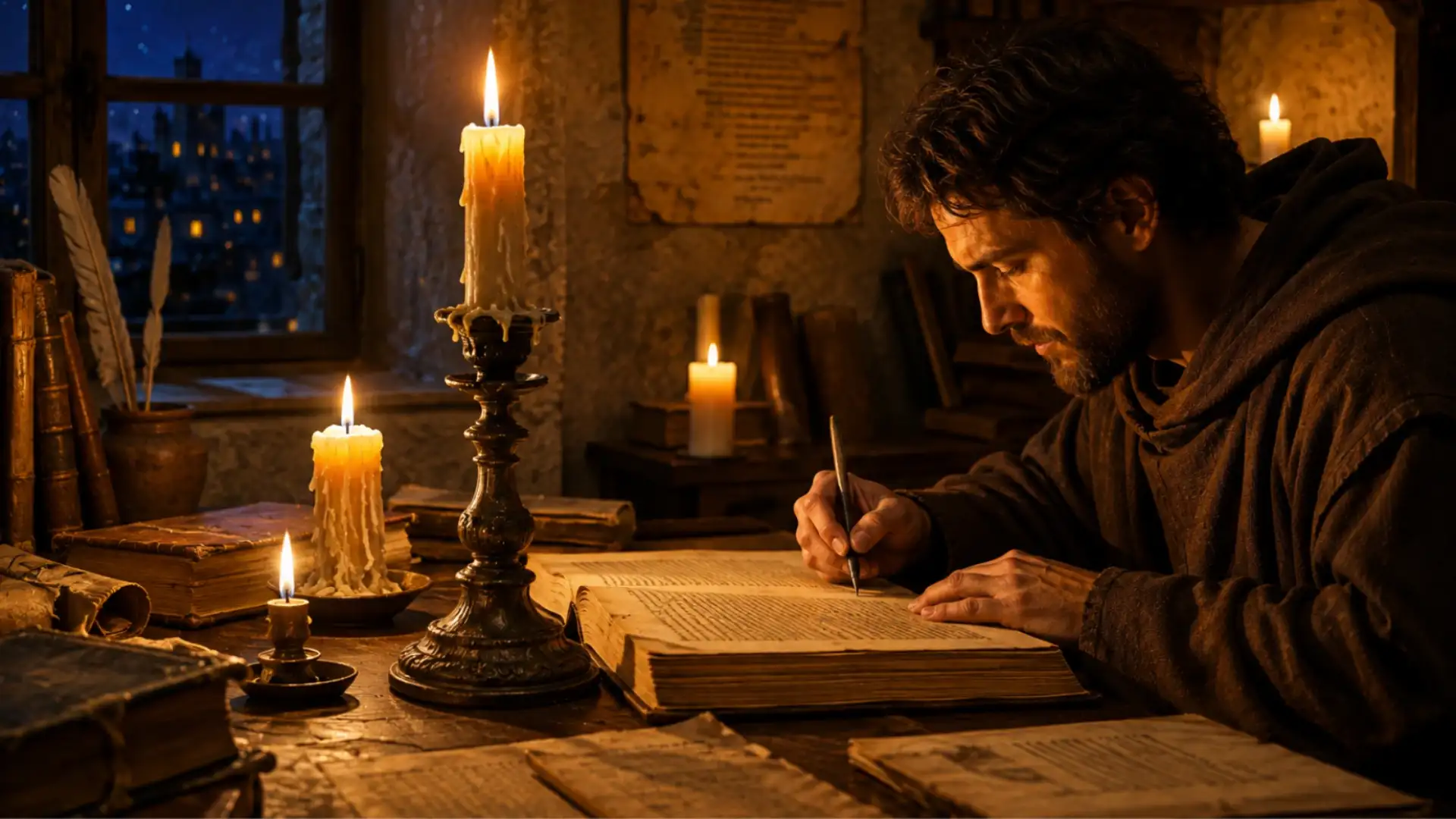
The Romans are widely credited with developing the first true dipped candles, while cultures across Asia created similar light sources using wax extracted from insects and seeds.
Although these early candles varied in quality and cost, they all served the same essential purpose: extending daily life beyond daylight hours.
For many families, a single candle represented precious light that had to be used carefully.
Craftsmen could continue working after sunset, merchants could keep records, scholars could read manuscripts and families could spend time together indoors during long winter nights.
Religious ceremonies also benefited. Churches, temples and other places of worship used candles not only for illumination but also as powerful symbols of hope, guidance and spirituality.
In many ways, candles gradually transformed the night from a period of inactivity into an opportunity for work, education and community.
Long before electric lamps, students, monks, scientists and writers relied on candlelight to study and preserve important texts. Monasteries across medieval Europe copied countless manuscripts by candlelight, helping protect literature, philosophy and scientific knowledge for future generations.
Without dependable evening light, much of this intellectual work would have been limited by the number of daylight hours available.
Candles therefore played a quiet but significant role in advancing education and culture.
Across different cultures and religions, they symbolise remembrance, celebration, peace, hope and reflection. From birthdays and weddings to festivals and memorial ceremonies, candles continue to hold deep emotional significance.
Even after electricity became widespread, their symbolic value remained unchanged.
Today, people still light candles during important occasions because the gentle flame creates a sense of warmth and connection that electric lighting rarely matches.
In the eighteenth and nineteenth centuries, specialised candle clocks were developed in parts of Europe and Asia. Markings along the candle allowed people to estimate the passing of time as the wax slowly burned away.
The invention of paraffin wax during the nineteenth century made candles cheaper, cleaner and more widely available, helping them remain popular even after gas lighting appeared.
More importantly, candles remind us of an era when a small flame represented opportunity, knowledge and security after dark.
The next time you light a candle, it is worth remembering that this humble object once changed the course of human civilisation . Long before electric bulbs illuminated cities, the gentle glow of candlelight helped people work, learn, celebrate and dream long after sunset.
Early Candles and Their Origins
People have relied on artificial light for thousands of years. Early civilisations used oil lamps, torches and primitive candles made from natural materials such as animal fat, beeswax and plant waxes.The Romans are widely credited with developing the first true dipped candles, while cultures across Asia created similar light sources using wax extracted from insects and seeds.
Although these early candles varied in quality and cost, they all served the same essential purpose: extending daily life beyond daylight hours.
For many families, a single candle represented precious light that had to be used carefully.
How Candles Changed Daily Life
The introduction of reliable candles gave people something that had previously been impossible: productive evenings.Craftsmen could continue working after sunset, merchants could keep records, scholars could read manuscripts and families could spend time together indoors during long winter nights.
Religious ceremonies also benefited. Churches, temples and other places of worship used candles not only for illumination but also as powerful symbols of hope, guidance and spirituality.
In many ways, candles gradually transformed the night from a period of inactivity into an opportunity for work, education and community.
Lighting the Path to Learning
One of the greatest contributions of candles was their impact on knowledge.Long before electric lamps, students, monks, scientists and writers relied on candlelight to study and preserve important texts. Monasteries across medieval Europe copied countless manuscripts by candlelight, helping protect literature, philosophy and scientific knowledge for future generations.
Without dependable evening light, much of this intellectual work would have been limited by the number of daylight hours available.
Candles therefore played a quiet but significant role in advancing education and culture.
A Symbol Beyond Illumination
Candles have long represented more than simple sources of light.You may also like
- That empty wall doesn't need another painting: 8 DIY ideas to turn blank space into something useful
- How to remove stubborn turmeric stains from containers and hands using simple home remedies
- Meet Dr Neeraja Nagarajan: After 13 years in America, this physician-scientist and former McKinsey executive moved to India and her story is going viral
- Monsoon Making Your Joints Ache? Here's Why Rainy Weather Can Trigger Knee and Back Pain
- Planning a trip during Sawan? Pushkar's Nag Pahar has emerged as Rajasthan's new monsoon hotspot..
Across different cultures and religions, they symbolise remembrance, celebration, peace, hope and reflection. From birthdays and weddings to festivals and memorial ceremonies, candles continue to hold deep emotional significance.
Even after electricity became widespread, their symbolic value remained unchanged.
Today, people still light candles during important occasions because the gentle flame creates a sense of warmth and connection that electric lighting rarely matches.
Lesser-Known Facts About Candles
Beeswax candles were once considered luxury items because they burned more cleanly and produced less smoke than candles made from animal fat.In the eighteenth and nineteenth centuries, specialised candle clocks were developed in parts of Europe and Asia. Markings along the candle allowed people to estimate the passing of time as the wax slowly burned away.
The invention of paraffin wax during the nineteenth century made candles cheaper, cleaner and more widely available, helping them remain popular even after gas lighting appeared.
Why Candles Still Matter Today
Although modern homes rely on electricity, candles continue to serve practical and emotional purposes. They provide emergency lighting during power failures, create relaxing environments and remain central to religious ceremonies and cultural traditions around the world.More importantly, candles remind us of an era when a small flame represented opportunity, knowledge and security after dark.
The next time you light a candle, it is worth remembering that this humble object once changed the course of human civilisation . Long before electric bulbs illuminated cities, the gentle glow of candlelight helped people work, learn, celebrate and dream long after sunset.






Loving Newspoint? Download the app now
