
Why Cherry Blossoms Are the Heart of Japanese Culture - History & Symbolism Explained

Every spring, Japan is transformed into a sea of delicate pink and white as cherry blossoms burst into bloom. Known locally as sakura, these flowers are celebrated across the country, from bustling city parks to historic temple grounds and have come to represent the essence of Japanese culture. But how did a simple flower become such a powerful cultural icon?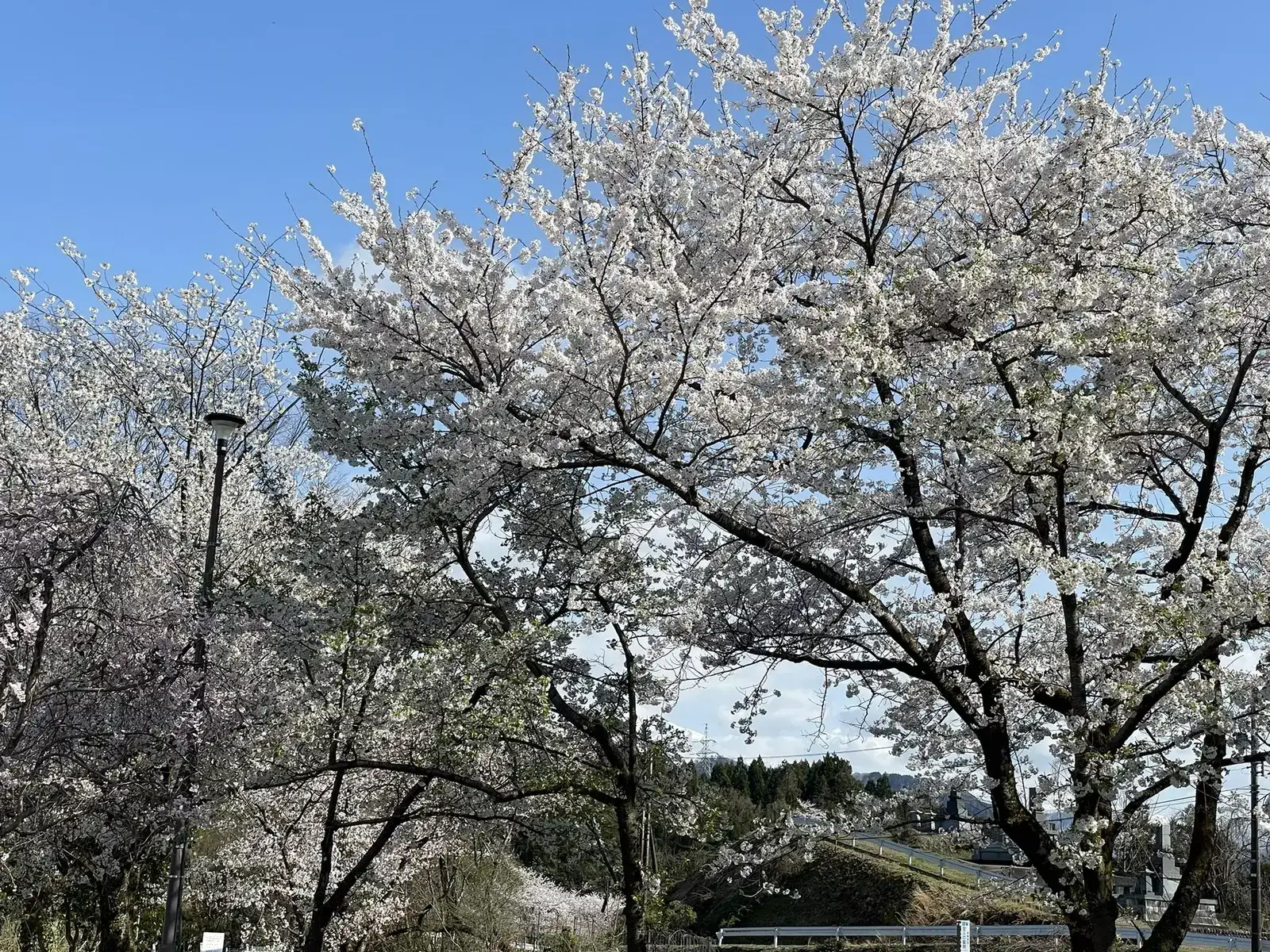
These religious and seasonal associations helped sakura transcend mere botanical interest, elevating them into objects of reverence. The blossoms became seen not just as pretty flowers but as harbingers of change, growth, and spiritual harmony with nature.
This societal embrace of cherry blossoms marked a cultural shift. Sakura replaced plum blossoms, previously admired in art and tradition, becoming the preferred floral symbol of the nation. The fleeting nature of the blossoms, blooming brilliantly then falling within a short span, came to reflect the Buddhist concept of mujo, or impermanence, and Japan’s deep philosophical engagement with life and death.
Even in modern culture, from anime and film to music and fashion, sakura remains a ubiquitous symbol of Japanese aesthetic sensibilities. The blossoms have influenced everything from traditional woodblock prints to contemporary design, underscoring their enduring cultural relevance.
While sakura was even invoked in wartime contexts during World War II to symbolize courage and sacrifice, its broader cultural imprint today is overwhelmingly tied to beauty, renewal, and shared tradition.
Ancient Roots and Spiritual Beliefs
The cultural significance of cherry blossoms dates back over a thousand years. Early Japanese traditions linked sakura with agricultural cycles, particularly rice planting, a cornerstone of prehistoric Japanese society. Ancient people saw the blossoms as signs from deities that the season of planting was beginning. In Shinto belief, sakura were often associated with mountain gods and spirits connected to life and fertility.These religious and seasonal associations helped sakura transcend mere botanical interest, elevating them into objects of reverence. The blossoms became seen not just as pretty flowers but as harbingers of change, growth, and spiritual harmony with nature.
From Imperial Courts to Public Tradition
By the Heian Period (794–1185), cherry blossom appreciation had become entrenched in Japanese aristocratic culture. The practice of hanami, literally “flower viewing,” was initially enjoyed by the Imperial Court, where poets and nobles composed verses inspired by the brief beauty of sakura. Over time, the custom spread to samurai classes and eventually to everyday people during the Edo Period, as thousands of trees were planted across cities and countryside.This societal embrace of cherry blossoms marked a cultural shift. Sakura replaced plum blossoms, previously admired in art and tradition, becoming the preferred floral symbol of the nation. The fleeting nature of the blossoms, blooming brilliantly then falling within a short span, came to reflect the Buddhist concept of mujo, or impermanence, and Japan’s deep philosophical engagement with life and death.
You may also like
- Word of the day: Vituperate
- In 1906, San Francisco lost more than 28,000 buildings to earthquake and fire: How the disaster reshaped the city's architecture and changed how America builds for earthquakes
- Why Your Beard Itches So Much and How You Can Finally Stop It
- 7 Things That Make Your Face Look Puffy Every Morning When You Rise
- The God Who Sleeps—and the Age That Cannot
Symbolism in Literature, Art, and Philosophy
Cherry blossoms have been prolific motifs in Japanese literature and art for centuries. Poets used sakura as metaphors for youth, love, and the transience of beauty, while painters captured the delicate blossoms as landscapes of seasonal change. The classical anthology Kokin Wakashū and tales like The Tale of Genji embed sakura imagery deeply into Japan’s literary heritage.Even in modern culture, from anime and film to music and fashion, sakura remains a ubiquitous symbol of Japanese aesthetic sensibilities. The blossoms have influenced everything from traditional woodblock prints to contemporary design, underscoring their enduring cultural relevance.
National Identity and Global Recognition
By the late 19th and early 20th centuries, cherry blossoms had become emblematic of Japanese national identity. In 1912, Japan gifted thousands of cherry trees to the United States as a symbol of friendship, planting them around Washington, D.C.’s Tidal Basin, a tradition that still draws crowds today.While sakura was even invoked in wartime contexts during World War II to symbolize courage and sacrifice, its broader cultural imprint today is overwhelmingly tied to beauty, renewal, and shared tradition.
Cherry Blossoms Today
Every spring, people from all walks of life gather for hanami to picnic under blooming trees, share food and drink, and celebrate seasonal change. Whether in Tokyo’s parks, Kyoto’s shrine gardens, or the countryside’s tranquil lanes, cherry blossoms remind both Japanese people and visitors of life’s fleeting, transformative beauty, a cultural legacy that continues to flourish year after year.





Loving Newspoint? Download the app now
