
Everything About Himachal Pradesh: Name, History, Geography

Himachal Pradesh, the 18th state of India, is nestled in the Northern part of the country and is famous for its snow-capped peaks, serene valleys, and peaceful environment. Often referred to as the “Land of Snowy Mountains,” Himachal Pradesh attracts millions of tourists each year who seek both adventure and tranquillity.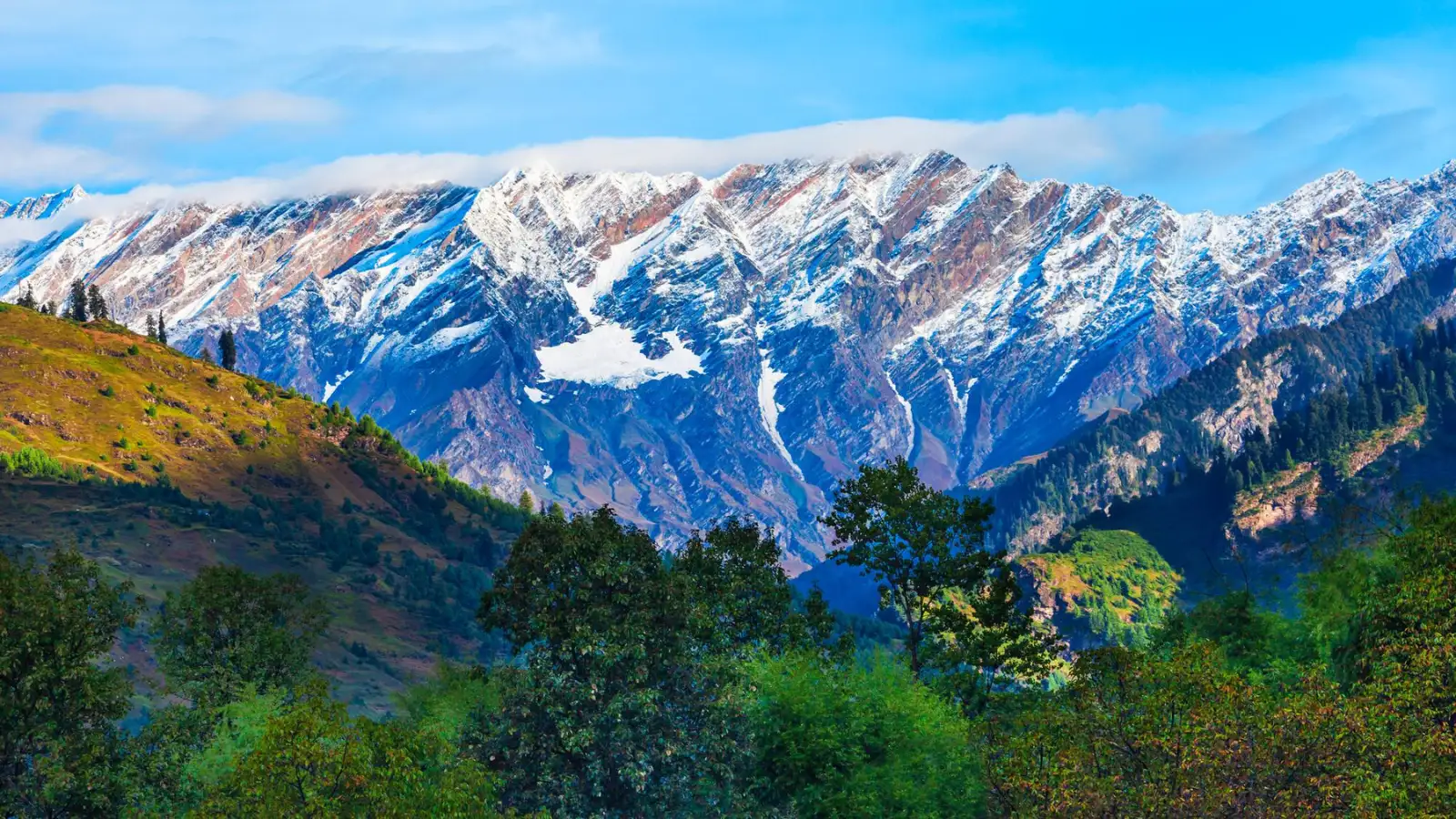
Origin of the Name
The name Himachal Pradesh comes from Sanskrit:
Put together, the name means “Land of Snowy Mountains” or “Snow-covered State”, perfectly reflecting the state’s Himalayan terrain. The name was suggested by the Sanskrit scholar Acharya Diwakar Datt Sharma after India’s independence and was officially adopted during the political reorganisation of the region.
Read More: 6 Beautiful Hidden Destinations In Himachal Pradesh
History of Himachal Pradesh
Himachal Pradesh has a rich and ancient history:
Location and Geography
Located in the Western Himalayas, Himachal Pradesh shares borders with:
It has two capitals: Shimla (summer) and Dharamshala (winter). The state is also home to five major rivers—Sutlej, Beas, Ravi, Chenab (Chandra-Bhaga), and Yamuna which nourish its lush landscapes.
Interesting Facts
Himachal Pradesh is more than just a scenic destination, it is a blend of culture, history, and natural wonder that continues to mesmerise visitors from India and abroad.
You may also like
- Understanding the Key Differences Between Warranty and Guarantee
- Exciting New Residential Project Near Khatu Shyam Ji Temple
- Internationally celebrated World Sufi Music Festival Jahan-e-Khusrau 2026, returns to Delhi
- Most Powerful Saraswati Mantra for Students & Exam Success
- 3 Shakti Peethas Known for Miracles That Science Still Can't Explain
Origin of the Name
The name Himachal Pradesh comes from Sanskrit: - Hima = Snow
- Achal = Mountain
- Pradesh = State
Put together, the name means “Land of Snowy Mountains” or “Snow-covered State”, perfectly reflecting the state’s Himalayan terrain. The name was suggested by the Sanskrit scholar Acharya Diwakar Datt Sharma after India’s independence and was officially adopted during the political reorganisation of the region.
Read More: 6 Beautiful Hidden Destinations In Himachal Pradesh
History of Himachal Pradesh
Himachal Pradesh has a rich and ancient history: - Ancient Period: Mentioned in texts like the Mahabharata, home to small kingdoms.
- Medieval Period: Regions like Kangra, Kullu, and Chamba were ruled by different local kings.
- British Period: Part of the Punjab Hill States under British rule.
- Post-Independence Timeline:
- 15 April 1948 → Formation of Himachal Pradesh
- 1950 → Became Part C State
- 1956 → Became Union Territory
- 1966 → Territories added from Punjab
- 25 January 1971 → Became the 18th state of India
Location and Geography
Located in the Western Himalayas, Himachal Pradesh shares borders with: - North: Jammu & Kashmir and Ladakh
- East: Tibet (China)
- South: Haryana
- West: Punjab
It has two capitals: Shimla (summer) and Dharamshala (winter). The state is also home to five major rivers—Sutlej, Beas, Ravi, Chenab (Chandra-Bhaga), and Yamuna which nourish its lush landscapes.
Interesting Facts
- Dev Bhoomi: Known as the “Land of Gods” for its temples and spiritual heritage.
- Formed from Hill States: About 28 princely hill states merged post-independence.
- Tourism Hub: Popular destinations include Manali, Shimla, Kullu, and Dharamshala.
- Cultural Diversity: Each district has its own festivals, language, and attire, reflecting rich traditions.
- Natural Beauty: Famous for trekking, rivers, and snow-covered mountains.
Himachal Pradesh is more than just a scenic destination, it is a blend of culture, history, and natural wonder that continues to mesmerise visitors from India and abroad.






More from our partners


Loving Newspoint? Download the app now
