
How Do Animals Sense Storms Before Humans? The Surprising Science

Long before dark clouds gather or the first drops of rain fall, animals sometimes appear to know that a storm is on its way. Birds may suddenly change their flight patterns, animals can become restless, and some species may seek shelter unusually early. It can look almost like a sixth sense, but scientists believe there is a more fascinating explanation. Many animals are exceptionally sensitive to environmental changes that humans barely notice. Falling atmospheric pressure, low-frequency sounds, wind patterns and subtle changes in temperature can all provide clues. In other words, animals may not actually "predict" storms. They may simply be detecting the warning signs much earlier than we do.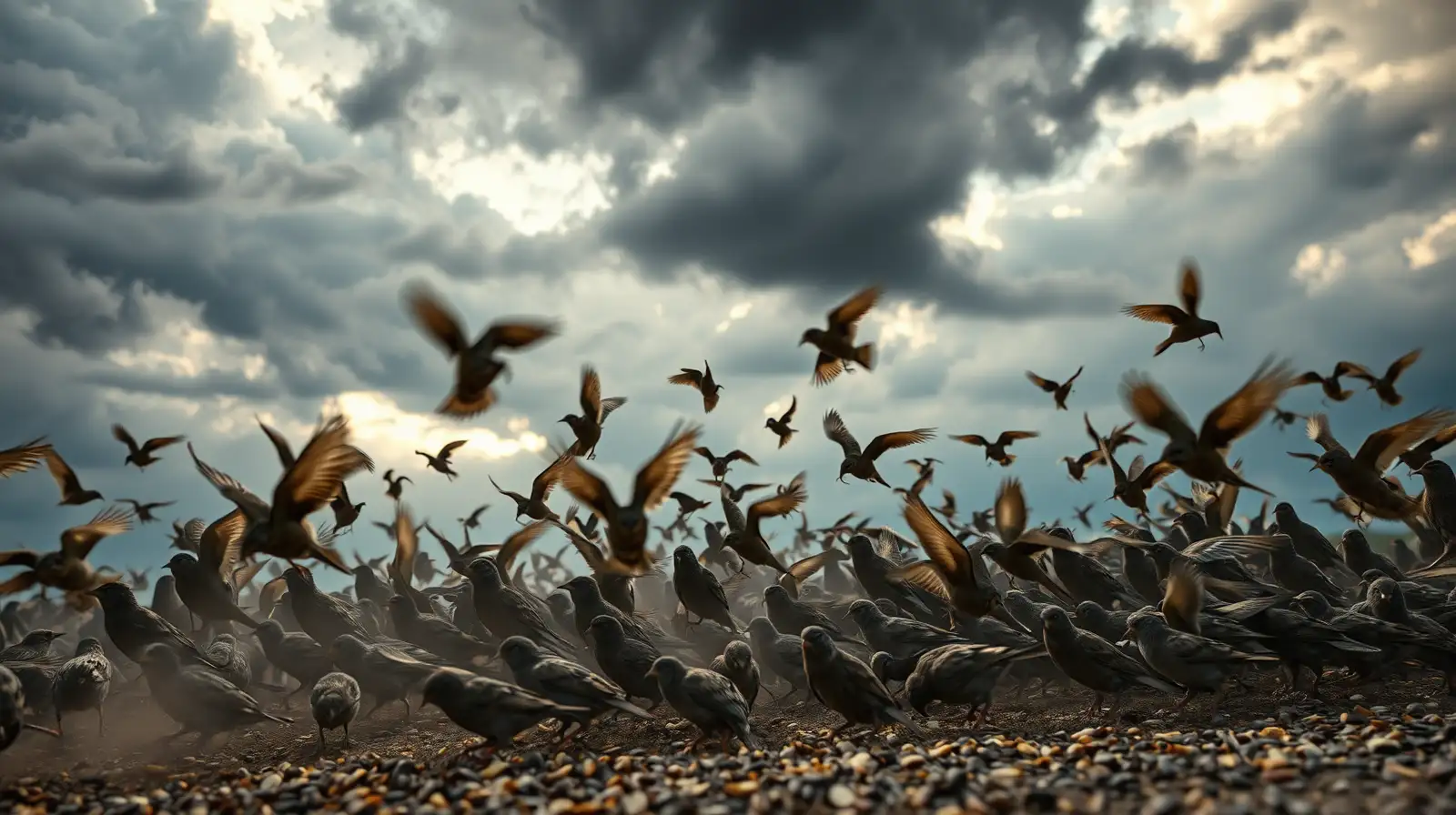
A 2013 study published in the Journal of Experimental Biology examined white-crowned sparrows and found that declining barometric pressure affected their behaviour. The birds increased their food intake when pressure was experimentally reduced, suggesting that they could respond to an environmental signal associated with approaching bad weather.
For a small bird, recognising such changes can be valuable. A severe storm can make feeding difficult and increase the energy needed to survive.
Scientists suggested that low-frequency sound, known as infrasound, may have helped the birds detect the approaching weather system. Infrasound is below the lower limit of normal human hearing and can travel considerable distances through the atmosphere.
This does not mean birds possess a magical storm-warning system. Rather, their sensory abilities allow them to pick up environmental signals that people usually cannot hear or notice.
For animals that live outdoors, such information can be useful. A storm approaching from far away may still produce environmental signals before its strongest winds or rainfall reach a particular location.
Research into animal responses to infrasound is still developing, so scientists cannot claim that every unusual behaviour before a storm is caused by it.
Animals therefore pay attention to subtle environmental cues because their lives depend on them. What looks like an extraordinary prediction to us may simply be a normal response to information their senses are designed to detect.
That distinction matters because unusual animal behaviour can also happen for many unrelated reasons. A single restless dog or suddenly moving flock is not reliable evidence of an approaching storm.
Animals Can Sense Changes in Air Pressure
One of the strongest scientific explanations involves barometric pressure. Atmospheric pressure often falls as a storm system approaches, and some animals appear capable of detecting these changes.A 2013 study published in the Journal of Experimental Biology examined white-crowned sparrows and found that declining barometric pressure affected their behaviour. The birds increased their food intake when pressure was experimentally reduced, suggesting that they could respond to an environmental signal associated with approaching bad weather.
For a small bird, recognising such changes can be valuable. A severe storm can make feeding difficult and increase the energy needed to survive.
Some Birds React Before Humans Notice Anything
One of the most remarkable examples involves migratory birds. In 2014, researchers studying golden-winged warblers found that some birds abandoned their breeding area in Tennessee and travelled hundreds of kilometres shortly before a major tornado outbreak.You may also like
- Chanakya Niti: Do you want respect in society? Then never forget these valuable tips, Chanakya gave
- PM Kisan 24th Installment: Great news for these farmers—Rs 4,000 will now be credited to their accounts; get this done immediately..
- Update your EPFO account immediately after getting married, or else all your money could get stuck..
- VIP vehicle number: Last chance to get a VIP vehicle number! Apply today for the UP 16 FV series..
- Thai cinema takes centre stage in Kolkata with three-day film festival
Scientists suggested that low-frequency sound, known as infrasound, may have helped the birds detect the approaching weather system. Infrasound is below the lower limit of normal human hearing and can travel considerable distances through the atmosphere.
This does not mean birds possess a magical storm-warning system. Rather, their sensory abilities allow them to pick up environmental signals that people usually cannot hear or notice.
Why Infrasound Could Be Important
Large storms and powerful weather systems can generate extremely low-frequency sounds. Humans generally do not consciously hear these signals, but some animals can detect much lower frequencies.For animals that live outdoors, such information can be useful. A storm approaching from far away may still produce environmental signals before its strongest winds or rainfall reach a particular location.
Research into animal responses to infrasound is still developing, so scientists cannot claim that every unusual behaviour before a storm is caused by it.
Animals Are Closely Tuned to Their Environment
There is another important difference between humans and many wild animals. Weather is not simply something animals check occasionally. It directly affects where they find food, how they travel and whether they can survive.Animals therefore pay attention to subtle environmental cues because their lives depend on them. What looks like an extraordinary prediction to us may simply be a normal response to information their senses are designed to detect.
Can Animals Really Predict a Storm?
Not exactly. Scientists are cautious about describing animal behaviour as genuine weather prediction. An animal may respond to falling pressure, changing winds or distant sounds without understanding that a storm is coming.That distinction matters because unusual animal behaviour can also happen for many unrelated reasons. A single restless dog or suddenly moving flock is not reliable evidence of an approaching storm.






Loving Newspoint? Download the app now
