
How Does Your Phone Know Which Way Is North? The Science Explained

Whether you're navigating unfamiliar streets, following a hiking trail or using a stargazing app, your smartphone somehow seems to know exactly which direction you're facing. A tiny arrow on a map rotates as you turn, always pointing north with remarkable accuracy. It can feel almost magical, yet the explanation lies in a combination of clever sensors and sophisticated software packed into a device that fits in your pocket. Modern smartphones don't rely on a single component to determine direction. Instead, they combine information from several technologies to create a remarkably accurate picture of where you are and which way you're facing.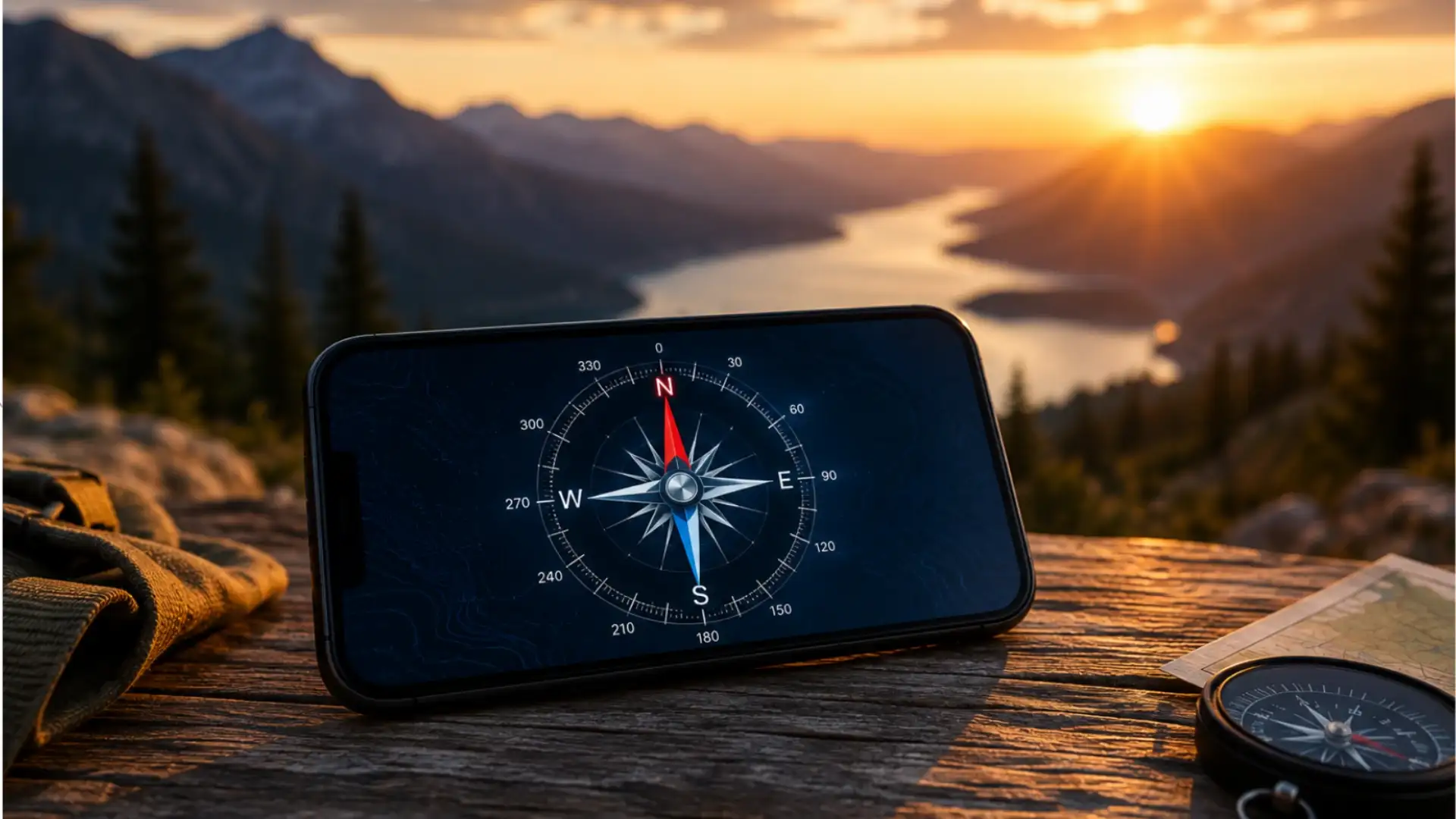
A magnetometer detects Earth's magnetic field, much like the magnetic needle inside a traditional compass. By measuring the strength and direction of this magnetic field, the phone can estimate where magnetic north lies.
This sensor is incredibly small, often no larger than a grain of rice, yet it constantly measures tiny magnetic changes around the device.
Without the magnetometer, navigation apps would know your location through GPS but would struggle to determine which direction you are facing while standing still.
Global Positioning System satellites determine your location by measuring signals from space. If you are moving, GPS can calculate your direction of travel by comparing successive positions.
However, when you stop walking or stand still, GPS alone cannot reliably tell which way you are facing. This is why the magnetometer becomes essential.
Together, GPS and the digital compass provide accurate navigation whether you are moving or not.
The accelerometer measures movement and detects how the phone is tilted, while the gyroscope tracks rotation and changes in orientation. Software combines data from these sensors with the magnetometer using a process known as sensor fusion.
This allows navigation apps to remain accurate even when one sensor briefly becomes unreliable.
For example, if you turn quickly while using a maps application, the gyroscope helps maintain smooth directional updates before the compass confirms your new orientation.
Metal objects, speakers, electrical equipment and even some phone cases containing magnets can temporarily affect the magnetometer's readings.
This is why navigation apps occasionally ask users to move the phone in a figure-eight motion. The movement helps recalibrate the compass by allowing the phone to better understand the surrounding magnetic field.
Fortunately, recalibration usually restores accurate performance within seconds.
Scientists also use highly sensitive magnetometers on spacecraft and research equipment to study Earth's magnetic field and even explore other planets.
The same basic principle inside your smartphone has become an essential tool for navigation across countless industries.
As augmented reality, wearable technology and autonomous systems continue to evolve, digital compasses will become even more important in helping devices understand the world around them.
The next time your phone effortlessly points north, remember that a tiny sensor hidden inside is constantly measuring Earth's invisible magnetic field. It is a remarkable example of how advanced science works quietly behind the scenes to make everyday technology feel simple.
The Secret Is a Tiny Digital Compass
The main reason your phone knows where north is comes down to a small electronic sensor called a magnetometer.A magnetometer detects Earth's magnetic field, much like the magnetic needle inside a traditional compass. By measuring the strength and direction of this magnetic field, the phone can estimate where magnetic north lies.
This sensor is incredibly small, often no larger than a grain of rice, yet it constantly measures tiny magnetic changes around the device.
Without the magnetometer, navigation apps would know your location through GPS but would struggle to determine which direction you are facing while standing still.
GPS Is Only Part of the Story
Many people believe GPS tells a phone which way it is pointing, but that is only partly true.Global Positioning System satellites determine your location by measuring signals from space. If you are moving, GPS can calculate your direction of travel by comparing successive positions.
However, when you stop walking or stand still, GPS alone cannot reliably tell which way you are facing. This is why the magnetometer becomes essential.
Together, GPS and the digital compass provide accurate navigation whether you are moving or not.
Other Sensors Improve Accuracy
Modern smartphones combine information from several sensors at the same time.The accelerometer measures movement and detects how the phone is tilted, while the gyroscope tracks rotation and changes in orientation. Software combines data from these sensors with the magnetometer using a process known as sensor fusion.
This allows navigation apps to remain accurate even when one sensor briefly becomes unreliable.
For example, if you turn quickly while using a maps application, the gyroscope helps maintain smooth directional updates before the compass confirms your new orientation.
Why Your Phone Sometimes Gets Confused
If you've ever seen the compass arrow spinning wildly or pointing the wrong way, magnetic interference is often the reason.You may also like
- Monsoon Making Your Joints Ache? Here's Why Rainy Weather Can Trigger Knee and Back Pain
- Planning a trip during Sawan? Pushkar's Nag Pahar has emerged as Rajasthan's new monsoon hotspot..
- Discover the Natural Benefits of Rainwater for Your Feet
- The Significance of Yellow Sapphire in Vedic Astrology
- Understanding the Significance of Kamika Ekadashi in Hinduism
Metal objects, speakers, electrical equipment and even some phone cases containing magnets can temporarily affect the magnetometer's readings.
This is why navigation apps occasionally ask users to move the phone in a figure-eight motion. The movement helps recalibrate the compass by allowing the phone to better understand the surrounding magnetic field.
Fortunately, recalibration usually restores accurate performance within seconds.
Surprising Facts About Smartphone Compasses
Interestingly, your phone usually points towards magnetic north rather than true geographic north. Navigation software automatically corrects this difference using location data, making maps appear accurate for everyday use.Scientists also use highly sensitive magnetometers on spacecraft and research equipment to study Earth's magnetic field and even explore other planets.
The same basic principle inside your smartphone has become an essential tool for navigation across countless industries.
Why This Technology Matters Today
From food delivery drivers and emergency services to hikers and travellers, millions of people rely on smartphone navigation every day. Knowing direction accurately is just as important as knowing location.As augmented reality, wearable technology and autonomous systems continue to evolve, digital compasses will become even more important in helping devices understand the world around them.
The next time your phone effortlessly points north, remember that a tiny sensor hidden inside is constantly measuring Earth's invisible magnetic field. It is a remarkable example of how advanced science works quietly behind the scenes to make everyday technology feel simple.






Loving Newspoint? Download the app now
