
How Evening Walks Can Improve Mobility, Sleep, Digestion And Emotional Well-Being In Older Adults

Growing older often changes the way the body responds to movement, rest, food and stress. Joints may feel stiffer, stamina may not be what it once was and long periods of sitting can begin to affect everything from digestion to sleep. Yet ageing does not mean giving up on movement. In fact, one of the most effective ways for older adults to stay active without putting excessive pressure on the body is to build a simple walking routine into everyday life. Among the easiest options, evening walks stand out for their practicality and range of benefits.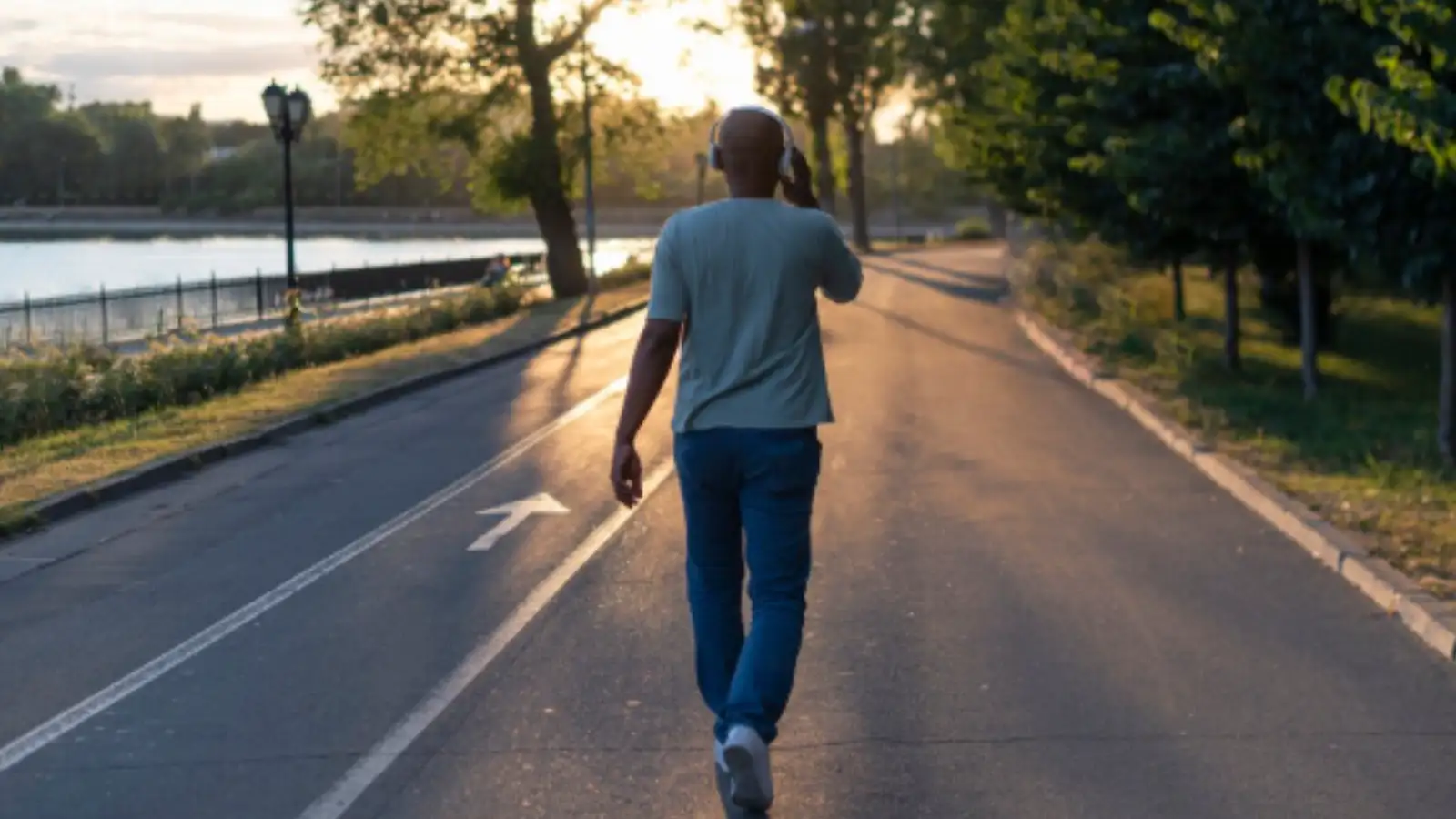
Unlike demanding exercise plans or gym routines, walking is familiar, accessible and adaptable to different fitness levels. For elderly people, a short evening walk can become much more than a way to stretch the legs after a day indoors. It can support heart health, help maintain mobility, improve sleep, lift mood and create a daily structure that encourages healthier ageing. When done regularly and safely, it can be one of the most sustainable wellness habits in later life.
An evening walk encourages the muscles and joints to stay active after a largely sedentary day. Even 20 to 30 minutes of steady walking can help reduce stiffness, improve circulation and support overall mobility. The aim is not speed or athletic performance. It is consistency. A regular walking routine for elderly adults can help the body stay more flexible and less sluggish, especially when sitting for long hours has become common after retirement.
Walking after eating is not a cure for digestive problems, but light movement can help the body avoid the discomfort that often follows sitting down immediately after dinner. It may also support a more regular rhythm of activity and rest. For elderly people who feel heavy or lethargic in the evenings, a short walk can be a simple way to avoid that sluggish feeling and encourage better daily comfort.
Evening walks contribute to that process by keeping the lower body active and helping older adults practise regular movement. While walking alone is not enough to solve every mobility issue, it plays an important role in preventing complete inactivity. Legs that are used daily tend to stay stronger than legs that are not. For many seniors, that matters greatly because reduced movement can gradually affect confidence, posture and stability.
This is why the benefits of walking for seniors go beyond calorie burn or general fitness. Walking helps protect function, and in later life, function is one of the most valuable aspects of health.
A walk in the evening can gently tire the body in a healthy way, making it easier to settle down later at night. It can also reduce the restlessness that comes from spending too much time indoors or inactive during the day. Fresh air, movement and a predictable evening habit may all support a calmer transition into bedtime.
Of course, timing matters. A very brisk walk just before bed may not suit everyone, but a moderate walk in the early evening or after dinner often fits well into a healthy ageing routine.
Something as simple as stepping out for a walk can improve mood, reduce the feeling of being stuck indoors and offer gentle sensory stimulation through fresh air, changing light and everyday neighbourhood activity. For some elderly people, it also becomes a chance to meet neighbours, walk with a spouse or speak to friends in the park. These small interactions can make a real difference, especially when social contact has become limited.
Unlike demanding exercise plans or gym routines, walking is familiar, accessible and adaptable to different fitness levels. For elderly people, a short evening walk can become much more than a way to stretch the legs after a day indoors. It can support heart health, help maintain mobility, improve sleep, lift mood and create a daily structure that encourages healthier ageing. When done regularly and safely, it can be one of the most sustainable wellness habits in later life.
Evening Walks Help Keep The Body Moving Without Overloading It
One of the biggest advantages of walking in older age is that it allows movement without the strain that comes with more intense forms of exercise. Many elderly people live with mild knee pain, back discomfort, stiffness or reduced stamina, which can make high-impact workouts unrealistic. Walking, however, is gentler on the body and easier to continue over the long term.An evening walk encourages the muscles and joints to stay active after a largely sedentary day. Even 20 to 30 minutes of steady walking can help reduce stiffness, improve circulation and support overall mobility. The aim is not speed or athletic performance. It is consistency. A regular walking routine for elderly adults can help the body stay more flexible and less sluggish, especially when sitting for long hours has become common after retirement.
It Can Support Better Digestion After The Day’s Main Meals
For many older adults, digestion becomes more sensitive with age. Bloating, heaviness, acidity or irregular bowel habits may become more frequent, especially when physical activity is low. This is one reason why evening walks for elderly people can be especially useful. A gentle walk after the evening meal or later in the evening may help the body feel lighter and less inactive.Walking after eating is not a cure for digestive problems, but light movement can help the body avoid the discomfort that often follows sitting down immediately after dinner. It may also support a more regular rhythm of activity and rest. For elderly people who feel heavy or lethargic in the evenings, a short walk can be a simple way to avoid that sluggish feeling and encourage better daily comfort.
Walking Can Help Preserve Balance, Strength And Independence
Healthy ageing is not only about avoiding disease. It is also about preserving independence for as long as possible. The ability to move confidently, get up from a chair, climb stairs, walk short distances and manage day-to-day tasks all depend on maintaining strength, coordination and balance.Evening walks contribute to that process by keeping the lower body active and helping older adults practise regular movement. While walking alone is not enough to solve every mobility issue, it plays an important role in preventing complete inactivity. Legs that are used daily tend to stay stronger than legs that are not. For many seniors, that matters greatly because reduced movement can gradually affect confidence, posture and stability.
This is why the benefits of walking for seniors go beyond calorie burn or general fitness. Walking helps protect function, and in later life, function is one of the most valuable aspects of health.
It Can Improve Sleep Quality In A Natural Way
Sleep often becomes more irregular with age. Some elderly people struggle to fall asleep early, while others wake frequently during the night or rise too early in the morning without feeling properly rested. Medication, stress, inactivity, health conditions and changes in routine can all play a role. Evening walks may help by giving the body a clearer rhythm between activity and rest.A walk in the evening can gently tire the body in a healthy way, making it easier to settle down later at night. It can also reduce the restlessness that comes from spending too much time indoors or inactive during the day. Fresh air, movement and a predictable evening habit may all support a calmer transition into bedtime.
Of course, timing matters. A very brisk walk just before bed may not suit everyone, but a moderate walk in the early evening or after dinner often fits well into a healthy ageing routine.
Evening Walks Can Lift Mood And Reduce Feelings Of Isolation
Physical health is only one part of elderly wellness habits . Emotional well-being matters just as much, particularly for older adults who live alone, have retired from busy working lives or spend much of the day at home. Evening walks can create a valuable mental break from indoor routine and provide a sense of engagement with the outside world.Something as simple as stepping out for a walk can improve mood, reduce the feeling of being stuck indoors and offer gentle sensory stimulation through fresh air, changing light and everyday neighbourhood activity. For some elderly people, it also becomes a chance to meet neighbours, walk with a spouse or speak to friends in the park. These small interactions can make a real difference, especially when social contact has become limited.
Next Story