How Fast Is Light Really? Surprising Facts That Change Everything

The speed of light is one of the most fundamental constants in physics and an enduring source of fascination for scientists and curious minds alike. At approximately 299,792 kilometres per second in a vacuum, it is the ultimate speed limit of the universe. Yet, beyond this well-known figure lie numerous surprising facts about how light behaves and influences our understanding of space and time. According to experts, these fascinating details reveal the extraordinary nature of light and its role in shaping modern science.
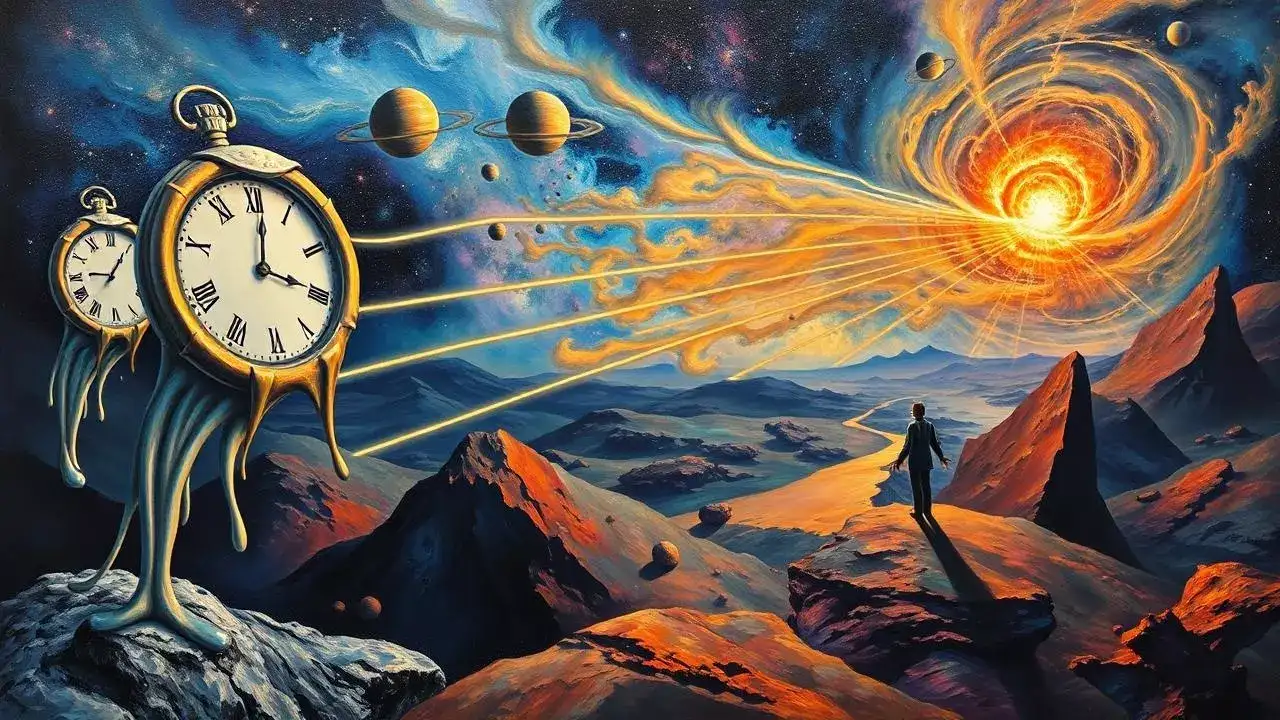
Hero Image


The Exact Speed and Its Unchanging Nature

The speed of light in a vacuum is precisely defined as 299,792,458 metres per second. This value is so fundamental that it forms the basis for the definition of the metre itself. Unlike most physical constants, the speed of light is invariant, meaning it remains constant regardless of the motion of the observer or the source of light. This remarkable property underpins Albert Einstein’s theory of relativity and revolutionised our understanding of the universe.

Light Slows Down in Different Mediums

While light travels fastest in a vacuum, it slows down significantly when passing through other materials such as water, glass, or air. This reduction in speed causes phenomena like refraction, which is why a straw in a glass of water appears bent. The amount by which light slows depends on the material’s refractive index, a concept crucial in optics and lens design.