
How Healthy Soil Impacts Human Nutrition More Than You Think

When people think about healthy eating, they often focus on fresh fruit, vegetables, whole grains and balanced meals. Yet one of the most important ingredients in good nutrition lies beneath our feet. Healthy soil is the foundation of the food system, providing plants with the nutrients, water and support they need to grow. Rich, living soil does far more than hold roots in place. It is home to billions of microorganisms that help recycle nutrients and maintain fertile land. As concerns about food quality and sustainable farming continue to grow, understanding the connection between healthy soil and human nutrition has become more relevant than ever.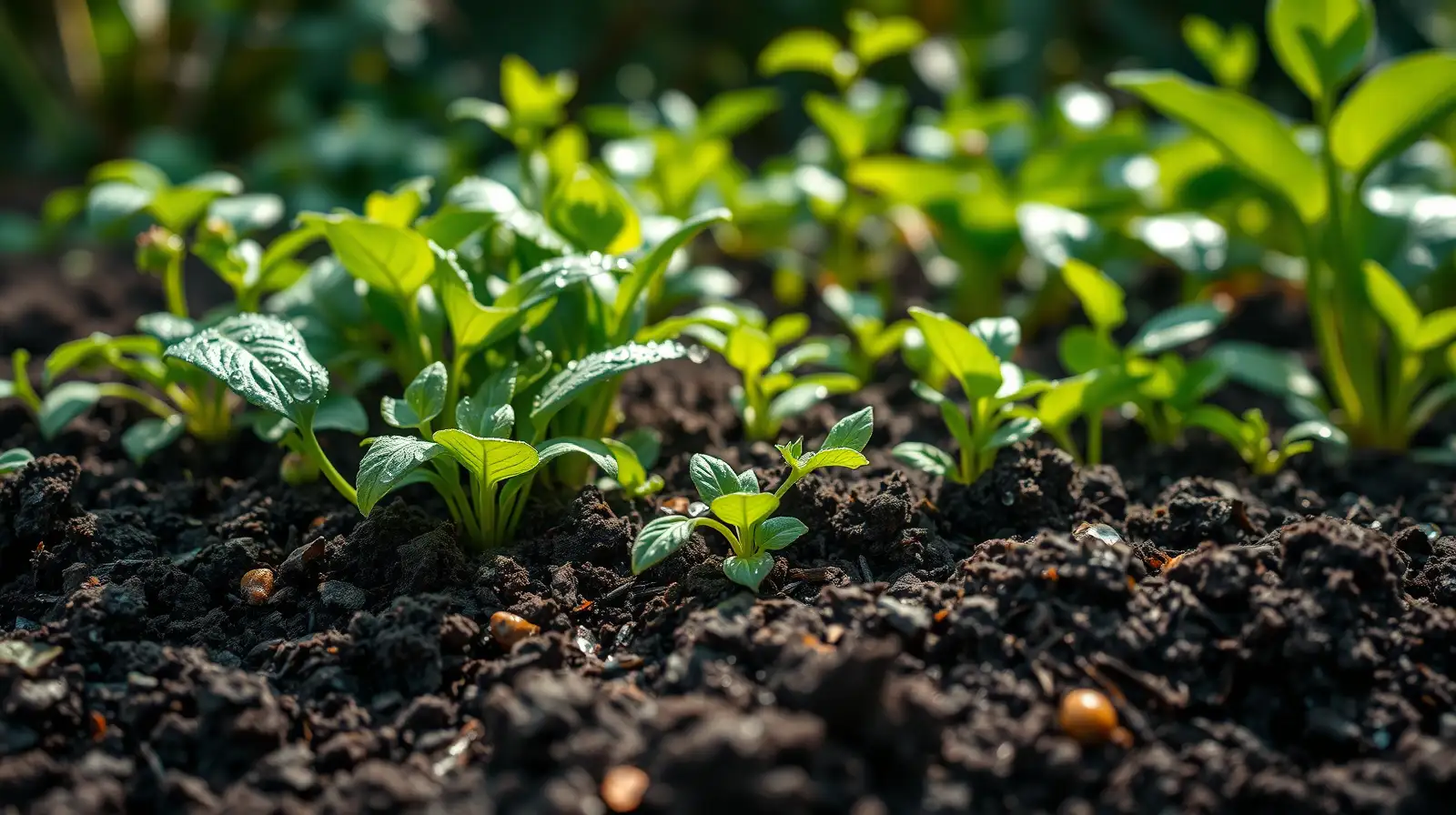
These living organisms break down organic matter such as fallen leaves and plant remains, releasing essential nutrients including nitrogen, phosphorus and potassium. Plants absorb these nutrients through their roots, allowing them to grow strong and produce nutritious crops.
One teaspoon of healthy soil can contain billions of microorganisms, making it one of the most biologically active environments on Earth. This hidden world plays a vital role in supporting agriculture and, ultimately, human health.
Healthy soils also improve water retention, allowing crops to cope better during dry periods. They encourage deeper root systems, making plants more resilient against pests, diseases and changing weather conditions.
Although nutrition depends on many factors, including crop variety and farming practices, maintaining healthy soil helps create the conditions needed for productive and sustainable agriculture.
Practices such as crop rotation, composting, planting cover crops and reducing unnecessary soil disturbance are helping farmers rebuild soil health . These methods encourage biodiversity beneath the surface while reducing erosion and improving long-term fertility.
One lesser-known benefit is that healthy soil stores significant amounts of carbon. By locking carbon underground, well-managed farmland can contribute to efforts to reduce greenhouse gas emissions while supporting productive agriculture.
Communities benefit when farmland remains fertile because reliable food production strengthens local economies and improves food security. In contrast, degraded soil can lead to lower crop yields, increased dependence on fertilisers and greater vulnerability to drought.
Around the world, many organisations are encouraging farmers, gardeners and policymakers to view soil as a valuable natural resource rather than an unlimited one.
Healthy Soil Is Alive
Healthy soil is not simply dirt. It is a complex ecosystem filled with bacteria, fungi, earthworms, insects and countless microscopic organisms working together.These living organisms break down organic matter such as fallen leaves and plant remains, releasing essential nutrients including nitrogen, phosphorus and potassium. Plants absorb these nutrients through their roots, allowing them to grow strong and produce nutritious crops.
One teaspoon of healthy soil can contain billions of microorganisms, making it one of the most biologically active environments on Earth. This hidden world plays a vital role in supporting agriculture and, ultimately, human health.
The Link Between Soil and Nutrition
The quality of the soil influences the quality of the food grown in it. Fertile soil helps crops develop properly, while depleted soil may struggle to provide plants with the nutrients they need.You may also like
- Nita Ambani receives honour in the US for contributions to healthcare, education and social impact
- How Birmingham got its name: The 1,000-year-old story behind England's second city
- 5 Sun-loving houseplants that are perfect for hot summer days
- Our stories belong in school textbooks, not just Pride Month conversations: Manvendra Singh Gohil
- India needs formal LGBTQ+ crisis infrastructure: Ankit Bhuptani
Healthy soils also improve water retention, allowing crops to cope better during dry periods. They encourage deeper root systems, making plants more resilient against pests, diseases and changing weather conditions.
Although nutrition depends on many factors, including crop variety and farming practices, maintaining healthy soil helps create the conditions needed for productive and sustainable agriculture.
Why Modern Farming Is Paying More Attention to Soil
For many years, agricultural success was often measured by how much food could be produced. Today, there is growing recognition that protecting soil is just as important as increasing yields.Practices such as crop rotation, composting, planting cover crops and reducing unnecessary soil disturbance are helping farmers rebuild soil health . These methods encourage biodiversity beneath the surface while reducing erosion and improving long-term fertility.
One lesser-known benefit is that healthy soil stores significant amounts of carbon. By locking carbon underground, well-managed farmland can contribute to efforts to reduce greenhouse gas emissions while supporting productive agriculture.
Soil Health Affects More Than Farms
The benefits of healthy soil extend well beyond crop fields. Healthy land filters rainwater, reducing pollution before it reaches rivers and lakes. It also provides habitats for insects, birds and countless other species that support biodiversity.Communities benefit when farmland remains fertile because reliable food production strengthens local economies and improves food security. In contrast, degraded soil can lead to lower crop yields, increased dependence on fertilisers and greater vulnerability to drought.
Around the world, many organisations are encouraging farmers, gardeners and policymakers to view soil as a valuable natural resource rather than an unlimited one.






More from our partners


Loving Newspoint? Download the app now
