
How Indian Foods Can Naturally Support Better Hormonal Health

Hormones quietly regulate many essential functions in the body, including metabolism, sleep, mood, digestion and reproductive health. When hormone levels fluctuate, people may notice changes such as fatigue, irregular appetite, skin concerns or disturbed sleep. Although medical evaluation is important when symptoms persist, daily eating habits also play a valuable role in supporting healthy hormonal function.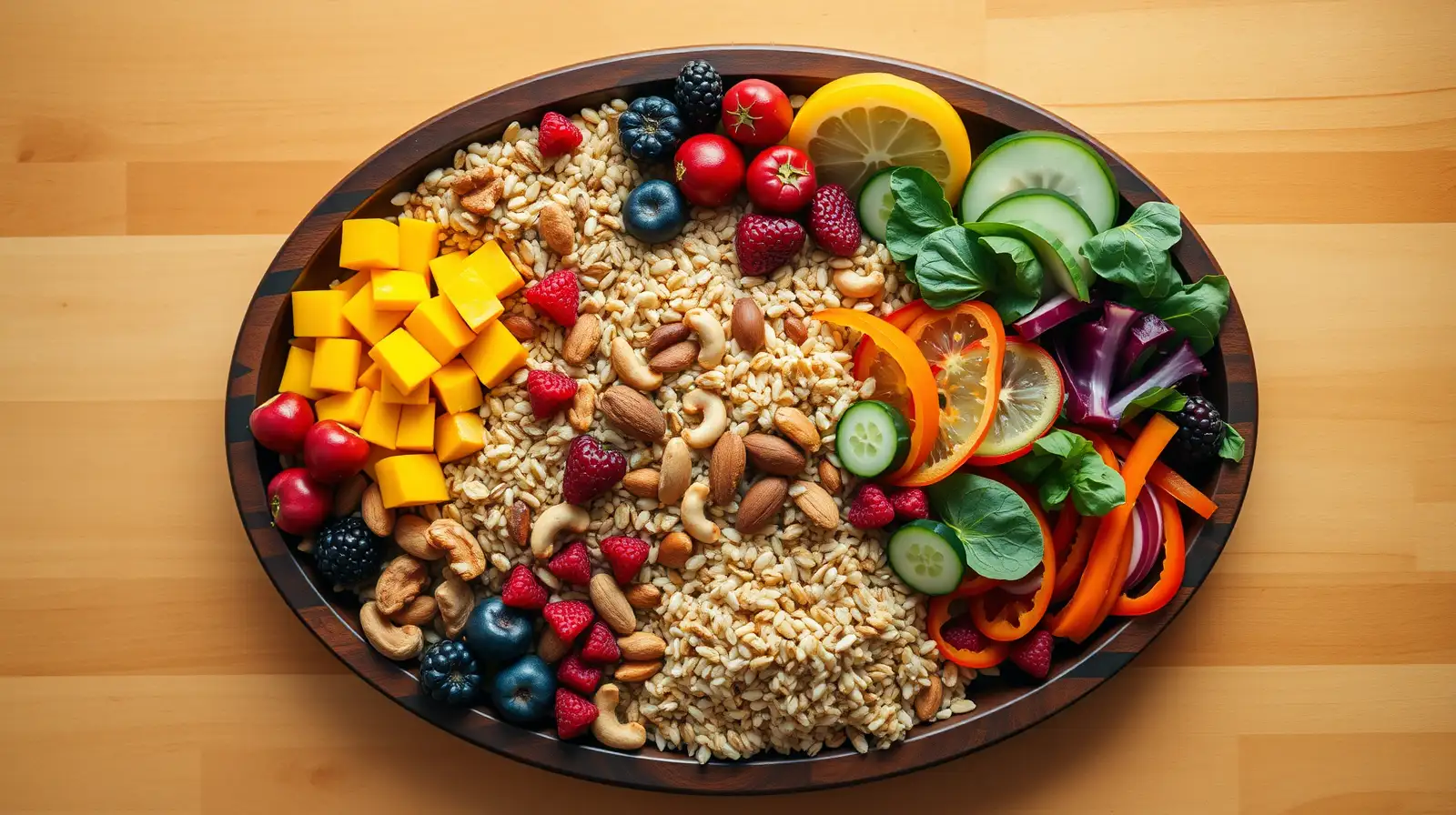
Indian kitchens are filled with nutrient-rich foods that provide vitamins, minerals, healthy fats and fibre. Including these ingredients as part of a balanced diet can help the body function efficiently while supporting overall hormonal wellbeing.
Adding a handful of mixed nuts to breakfast or sprinkling ground flaxseeds over curd or porridge can be an easy way to include these foods in daily meals. These small dietary additions may help support hormone balance while also promoting heart health.
Replacing refined grains with whole grains where possible can help reduce sudden spikes and drops in blood sugar levels. A stable energy supply also supports better mood and sustained concentration throughout the day.
Including a source of protein in every meal helps improve satiety while supporting the body's natural processes. Combining pulses with whole grains also provides a balanced nutritional profile suitable for everyday meals.
Fruits such as papaya, guava, oranges and berries add vitamin C and natural fibre to the diet. Eating a wide variety of colourful produce helps ensure the body receives essential nutrients needed for maintaining normal hormone activity.
A balanced gut microbiome may contribute to better nutrient absorption and support several body systems linked to hormone regulation. Including fermented foods regularly can therefore be a simple addition to a healthy eating routine.
Limiting highly processed foods, sugary drinks and excessive alcohol intake may also support better overall health. Eating meals at regular times and choosing fresh home-cooked food whenever possible can further encourage healthy lifestyle habits.
People experiencing ongoing symptoms such as irregular menstrual cycles, unexplained weight changes, persistent fatigue or severe mood changes should seek professional medical advice rather than relying solely on dietary changes.
Tracking hormonal health naturally begins with consistent lifestyle choices rather than quick solutions. A balanced Indian diet rich in whole grains, pulses, healthy fats, fruits, vegetables and fermented foods provides valuable nutrition that supports the body's natural processes. Combined with regular exercise, sufficient rest and appropriate medical guidance when required, these everyday foods can contribute to better hormonal wellbeing and long-term health.
Indian kitchens are filled with nutrient-rich foods that provide vitamins, minerals, healthy fats and fibre. Including these ingredients as part of a balanced diet can help the body function efficiently while supporting overall hormonal wellbeing.
Healthy Fats Help Hormone Production
Hormones rely on healthy fats for their production and proper functioning. Nuts and seeds commonly used in Indian households, including almonds, walnuts, sesame seeds and flaxseeds, offer beneficial fats along with important nutrients.Adding a handful of mixed nuts to breakfast or sprinkling ground flaxseeds over curd or porridge can be an easy way to include these foods in daily meals. These small dietary additions may help support hormone balance while also promoting heart health.
Whole Grains Provide Lasting Energy
Traditional Indian grains such as millets, brown rice and whole wheat offer complex carbohydrates and dietary fibre. These foods help maintain steady energy levels and support balanced blood sugar, an important factor in hormonal health .Replacing refined grains with whole grains where possible can help reduce sudden spikes and drops in blood sugar levels. A stable energy supply also supports better mood and sustained concentration throughout the day.
Protein Supports Daily Body Functions
Protein is essential for repairing tissues and producing important compounds involved in hormone regulation. Lentils, chickpeas, kidney beans, green gram and other pulses are affordable protein-rich staples in Indian diets.Including a source of protein in every meal helps improve satiety while supporting the body's natural processes. Combining pulses with whole grains also provides a balanced nutritional profile suitable for everyday meals.
Colourful Fruits And Vegetables Offer Protective Nutrients
Seasonal fruits and vegetables are packed with antioxidants, vitamins and minerals that support overall health. Leafy greens such as spinach and fenugreek leaves provide iron and folate, while colourful vegetables supply nutrients that contribute to healthy body functions.You may also like
- Kanye West And Bianca Censori's Luxury Birthday Party Grabs Attention
- Saiyami Kher: Celebrating a Career of Meaningful Storytelling
- The hidden psychology behind people who always push their chair back after leaving a table: Experts say this tiny habit may reflect conscientiousness, respect and consideration for others
- Sharvari Wagh's fitness mantra: How boxing, Pilates and a protein-rich diet keep her in top shape
- The 10 Sunscreens Every Man Should Try for Younger Healthier Looking Skin
Fruits such as papaya, guava, oranges and berries add vitamin C and natural fibre to the diet. Eating a wide variety of colourful produce helps ensure the body receives essential nutrients needed for maintaining normal hormone activity.
Fermented Foods Support Gut Health
A healthy digestive system plays an important role in overall wellbeing. Traditional foods such as curd and buttermilk contain beneficial bacteria that support gut health.A balanced gut microbiome may contribute to better nutrient absorption and support several body systems linked to hormone regulation. Including fermented foods regularly can therefore be a simple addition to a healthy eating routine.
Everyday Habits Matter Just As Much
Nutrition alone cannot maintain hormonal health. Regular physical activity, quality sleep, stress management and adequate hydration all contribute to healthy hormone function.Limiting highly processed foods, sugary drinks and excessive alcohol intake may also support better overall health. Eating meals at regular times and choosing fresh home-cooked food whenever possible can further encourage healthy lifestyle habits.
People experiencing ongoing symptoms such as irregular menstrual cycles, unexplained weight changes, persistent fatigue or severe mood changes should seek professional medical advice rather than relying solely on dietary changes.
Tracking hormonal health naturally begins with consistent lifestyle choices rather than quick solutions. A balanced Indian diet rich in whole grains, pulses, healthy fats, fruits, vegetables and fermented foods provides valuable nutrition that supports the body's natural processes. Combined with regular exercise, sufficient rest and appropriate medical guidance when required, these everyday foods can contribute to better hormonal wellbeing and long-term health.






More from our partners


Loving Newspoint? Download the app now
