
Seasonal Diet Changes For Indian Senior Citizens: Smart Eating Tips For Better Health All Year Round

Healthy eating becomes increasingly important with age, and changing food choices with the seasons can further support overall wellbeing. India's diverse climate brings significant variations in temperature and humidity, which can influence hydration, appetite and nutritional needs. For senior citizens, adapting meals to seasonal conditions can help maintain energy levels, support immunity and promote better digestion. Fresh, locally available produce is often richer in nutrients and flavour while being easier on the digestive system. By making a few practical adjustments throughout the year, older adults can enjoy a balanced diet that supports healthy ageing and everyday wellness.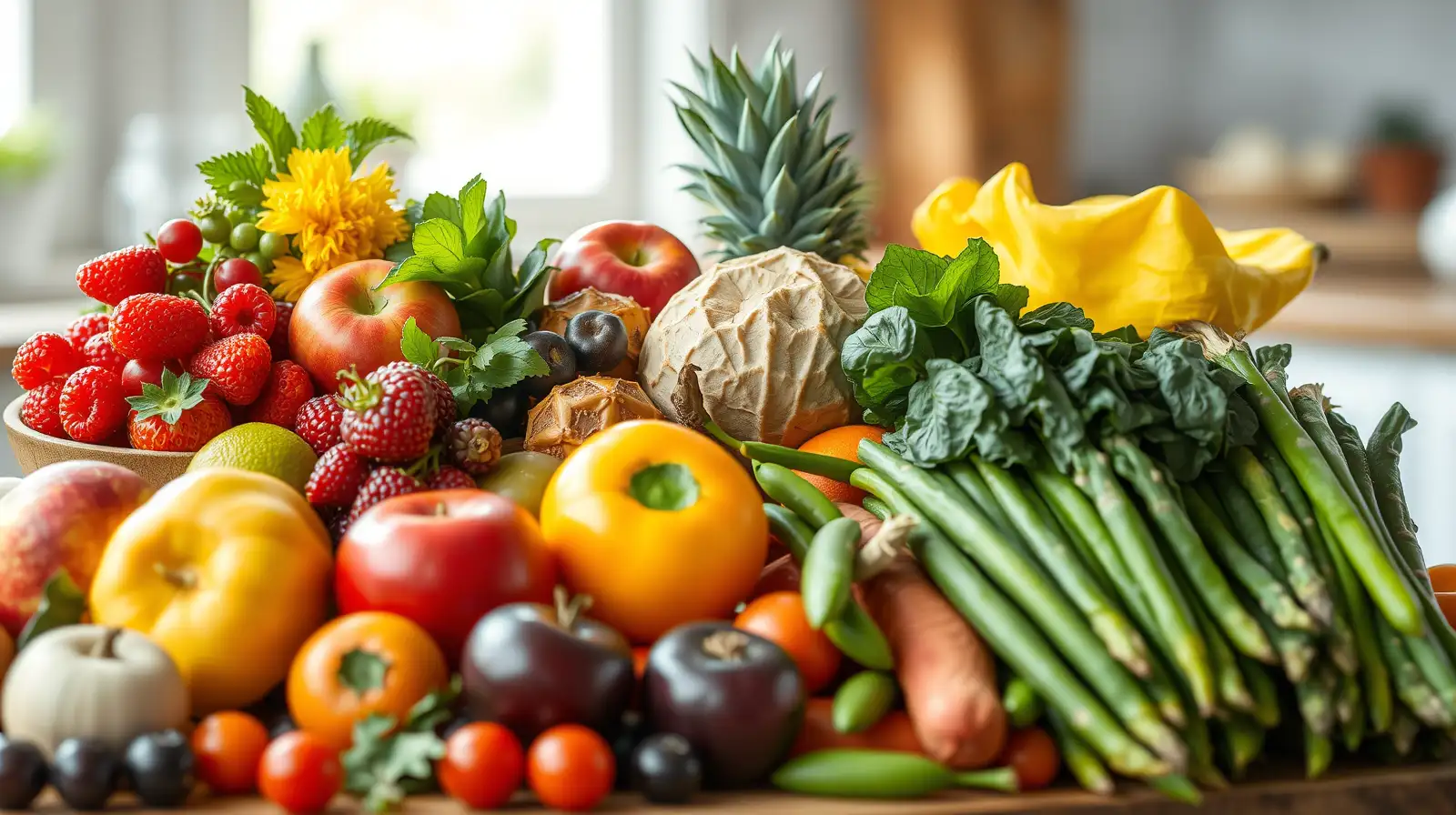
Choose lighter meals with seasonal vegetables, curd, buttermilk and fresh salads to aid digestion and prevent excessive heaviness during the hotter months.
Include seasonal vegetables, soups and well-cooked lentils while ensuring fruits and vegetables are thoroughly washed before consumption.
Healthy fats from nuts and seeds, consumed in moderation, also support overall nutrition during winter.
Choosing locally grown fruits also helps ensure freshness and better flavour.
Smaller, regular meals may also be easier to digest than large portions.
Summer: Stay Hydrated And Eat Light
Hot weather increases the risk of dehydration, making adequate fluid intake essential. Seniors should drink plenty of water and include hydrating foods such as cucumber, watermelon, muskmelon and oranges.Choose lighter meals with seasonal vegetables, curd, buttermilk and fresh salads to aid digestion and prevent excessive heaviness during the hotter months.
Monsoon: Focus On Hygiene And Fresh Foods
The rainy season can increase the risk of food- and water-borne illnesses. Freshly cooked meals are generally a safer option than raw or uncovered foods.Include seasonal vegetables, soups and well-cooked lentils while ensuring fruits and vegetables are thoroughly washed before consumption.
You may also like
- A 2-year-old joined her Russian gymnast mom on stage: What happened next left the audience in awe
- Emergency call on Dubai-India flight: UAE nurse helps stabilise woman at 35,000 feet
- Mumbai's Powai Lake is becoming this monsoon's most unexpected wildlife attraction, thanks to the Mugger crocodiles emerging after heavy rains
- Shoppers can get Look Fantastic beauty box worth £175 for just £36 on sale
- Why Gen Z needs to listen hard to Rocky Balboa
Winter: Add Warm And Nutritious Foods
During colder months, the body benefits from warm, nourishing meals. Whole grains, pulses, seasonal green leafy vegetables and root vegetables can provide essential nutrients and sustained energy.Healthy fats from nuts and seeds, consumed in moderation, also support overall nutrition during winter.
Include Seasonal Fruits Every Day
Eating seasonal fruits is an easy way to improve senior nutrition . Guava, papaya, apples, berries, mangoes and citrus fruits provide vitamins, fibre and antioxidants that support immunity and digestive health.Choosing locally grown fruits also helps ensure freshness and better flavour.
Balance Every Meal
Regardless of the season, meals should include a balance of whole grains, lean proteins, vegetables and healthy fats. Limiting highly processed foods, excess sugar and excessive salt can contribute to better heart health and overall wellbeing.Smaller, regular meals may also be easier to digest than large portions.
Support Healthy Ageing With Smart Food Choices
Following a seasonal diet for seniors is a practical way to meet changing nutritional needs throughout the year. By choosing fresh seasonal foods , staying hydrated and maintaining balanced eating habits, Indian senior citizens can support digestion, strengthen immunity and promote healthy ageing. Those with medical conditions such as diabetes, kidney disease or heart problems should consult a qualified healthcare professional or registered dietitian for personalised dietary advice.





Loving Newspoint? Download the app now
