
How Indonesia’s Traditional Dishes Like Fried Rice, Gado-Gado, and Soto Are Boosting Tourism

Indonesia’s rich and diverse cuisine is emerging as a key driver of tourism, attracting food lovers from around the world. With signature dishes like fried rice, gado-gado, and soto, the country is blending tradition and taste to offer a unique cultural experience to visitors.
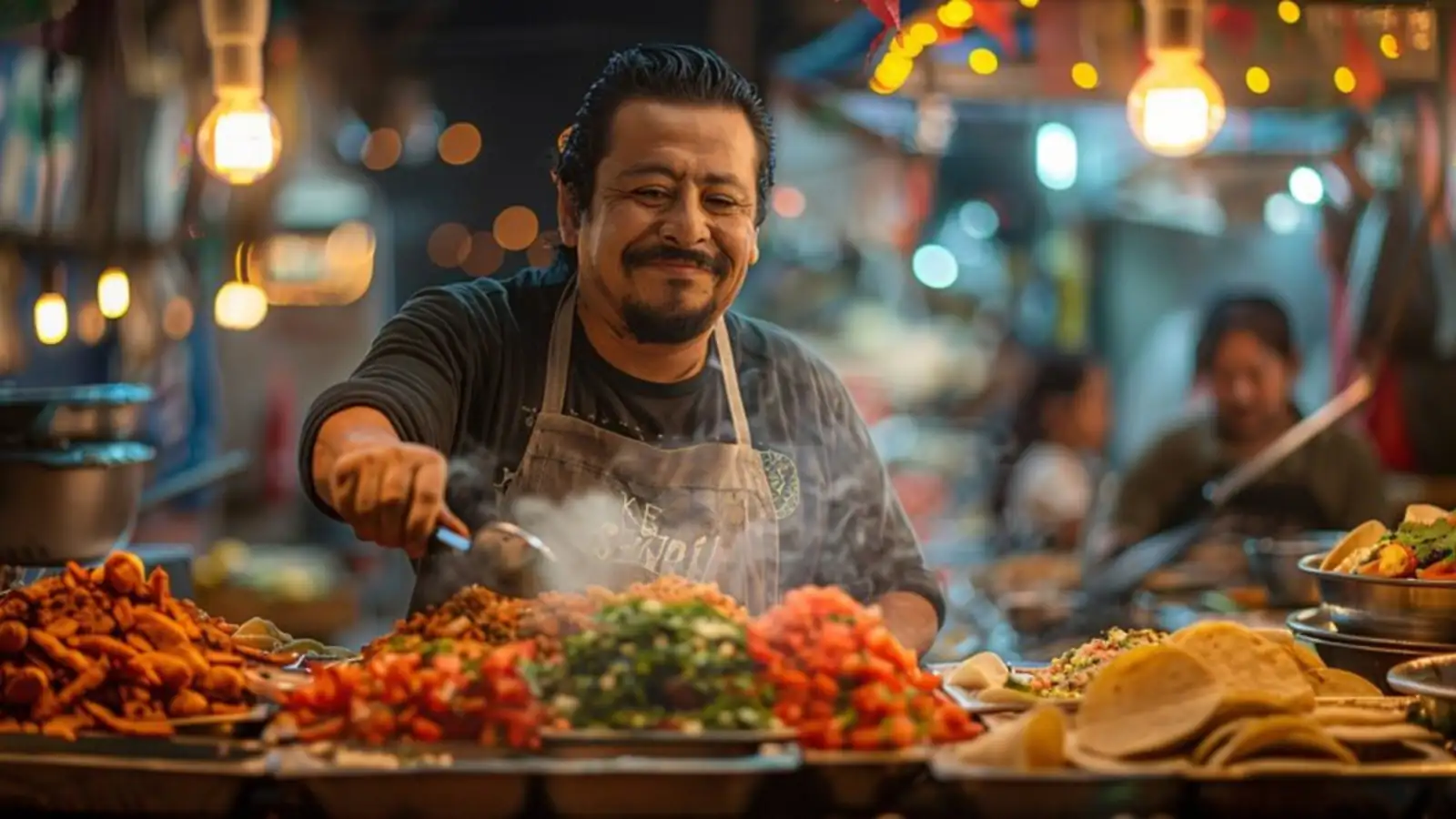
Beyond its stunning beaches and vibrant culture, Indonesia is gaining recognition as a food paradise. With over 17,000 islands, the nation’s culinary landscape is as diverse as its geography. Each region offers distinct flavors, cooking techniques, and ingredients, influenced by centuries of trade and cultural exchange. Recognizing the potential of its gastronomic heritage, the Indonesian government is actively promoting its cuisine as a major tourism attraction.
Some of Indonesia’s most iconic dishes have become global favorites and serve as culinary ambassadors for the country:
Nasi Goreng (Fried Rice): A flavorful mix of rice, spices, and proteins, this dish is a staple in Indonesian households and restaurants alike.

Gado-Gado: A refreshing vegetable salad topped with peanut sauce, offering a delicious balance of textures and flavors.

Soto: A hearty and aromatic soup available in multiple regional variations, often featuring chicken or beef with herbs and spices.
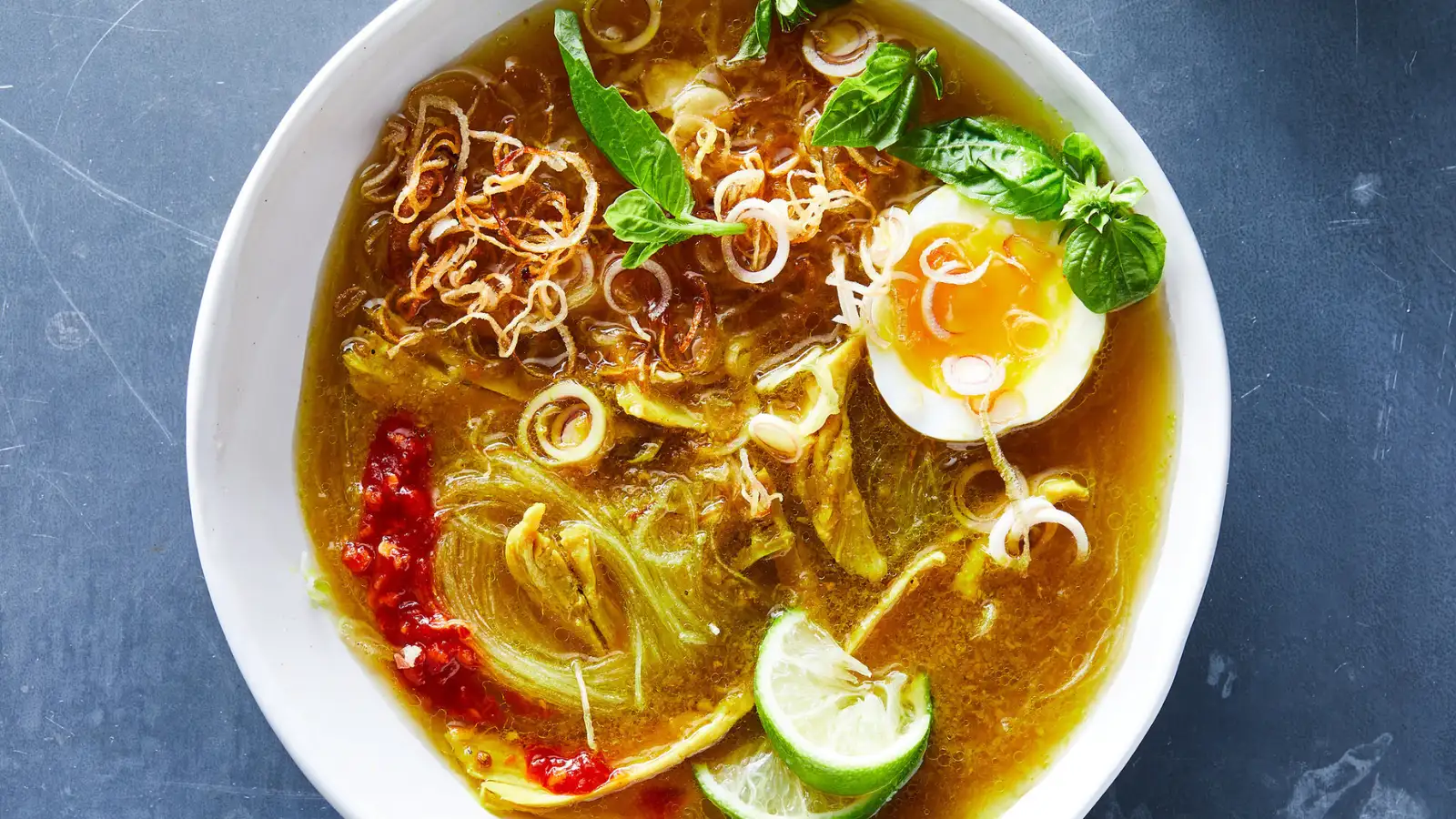
Food plays a significant role in tourism spending. According to official reports, foreign visitors spent an average of $1,391 per trip in 2024, with a notable portion going toward food experiences. Whether it’s street food in Jakarta, beachfront dining in Bali, or traditional markets in Yogyakarta, culinary tourism is fueling local businesses and boosting the economy.
To further enhance its appeal, Indonesia hosts food festivals like the Jakarta Food Festival and Bali Culinary Week, drawing food enthusiasts from across the globe. Travelers can also engage in immersive culinary experiences such as cooking classes, spice plantation visits, and guided food tours. These initiatives not only introduce tourists to authentic flavors but also preserve Indonesia’s rich culinary traditions.
Culinary tourism is playing a role in sustainable travel by promoting local ingredients, reducing dependence on imported food, and supporting small businesses. Recognizing traditional recipes as part of its intangible cultural heritage, Indonesia is ensuring that its food legacy is preserved for future generations.
Despite its rich culinary heritage, Indonesia faces challenges in global recognition, infrastructure development, and maintaining consistency in food quality. To tackle these, the government is collaborating with international chefs, food bloggers, and influencers to raise awareness while investing in improved tourism infrastructure.
With a strategic focus on food-driven travel, Indonesia is poised to become a leading destination for culinary tourism. By combining traditional flavors with modern experiences, the country is not only delighting travelers’ palates but also strengthening its global identity. As food continues to be a powerful connector, Indonesia’s flavors are set to leave a lasting impression on the world.
A Culinary Haven for Tourists
Beyond its stunning beaches and vibrant culture, Indonesia is gaining recognition as a food paradise. With over 17,000 islands, the nation’s culinary landscape is as diverse as its geography. Each region offers distinct flavors, cooking techniques, and ingredients, influenced by centuries of trade and cultural exchange. Recognizing the potential of its gastronomic heritage, the Indonesian government is actively promoting its cuisine as a major tourism attraction.
Must-Try Indonesian Dishes
Some of Indonesia’s most iconic dishes have become global favorites and serve as culinary ambassadors for the country:
Nasi Goreng (Fried Rice): A flavorful mix of rice, spices, and proteins, this dish is a staple in Indonesian households and restaurants alike.
Gado-Gado: A refreshing vegetable salad topped with peanut sauce, offering a delicious balance of textures and flavors.
You may also like
- The Path to Inner Wisdom Begins with True Education
- Quote of the Day by Pythagoras, "Do not go to bed until you have gone over the day three times in your mind. What wrong...."
- Pankaj Tripathi to be Honored as Artist of Distinction at IFFM 2026
- 5 Self-Care Tips for New Sleep-Deprived Moms
- Mature women rave about £15 foundation that's 'light' but gives 'flawless' skin
Soto: A hearty and aromatic soup available in multiple regional variations, often featuring chicken or beef with herbs and spices.
Culinary Tourism ’s Economic Impact
Food plays a significant role in tourism spending. According to official reports, foreign visitors spent an average of $1,391 per trip in 2024, with a notable portion going toward food experiences. Whether it’s street food in Jakarta, beachfront dining in Bali, or traditional markets in Yogyakarta, culinary tourism is fueling local businesses and boosting the economy.
Food Festivals and Immersive Experiences
To further enhance its appeal, Indonesia hosts food festivals like the Jakarta Food Festival and Bali Culinary Week, drawing food enthusiasts from across the globe. Travelers can also engage in immersive culinary experiences such as cooking classes, spice plantation visits, and guided food tours. These initiatives not only introduce tourists to authentic flavors but also preserve Indonesia’s rich culinary traditions.
Sustainable and Cultural Significance
Culinary tourism is playing a role in sustainable travel by promoting local ingredients, reducing dependence on imported food, and supporting small businesses. Recognizing traditional recipes as part of its intangible cultural heritage, Indonesia is ensuring that its food legacy is preserved for future generations.
Overcoming Challenges
Despite its rich culinary heritage, Indonesia faces challenges in global recognition, infrastructure development, and maintaining consistency in food quality. To tackle these, the government is collaborating with international chefs, food bloggers, and influencers to raise awareness while investing in improved tourism infrastructure.
The Future of Indonesia’s Culinary Tourism
With a strategic focus on food-driven travel, Indonesia is poised to become a leading destination for culinary tourism. By combining traditional flavors with modern experiences, the country is not only delighting travelers’ palates but also strengthening its global identity. As food continues to be a powerful connector, Indonesia’s flavors are set to leave a lasting impression on the world.






Loving Newspoint? Download the app now
