
Right Time to Eat Banana and How Many Can Be Consumed in a Day

Banana is one of the most popular fruits across the world due to its natural sweetness, portability, and rich nutrient profile. Packed with potassium, fiber, vitamin B6, and natural sugars, it is often considered an energy-boosting snack. However, the benefits you get from it largely depend on when you eat it and how much you include in your daily diet.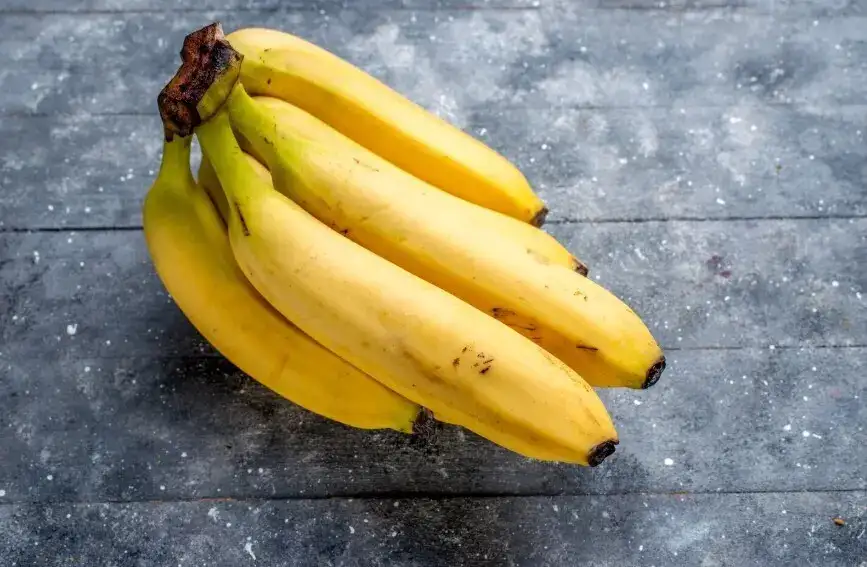
Understanding the right timing and ideal quantity can help you make the most of this simple fruit without overdoing its natural sugars.
Best Time to Eat Banana
1. Morning (Ideal for Energy Boost)
Eating a banana in the morning is one of the best ways to start the day. It provides quick energy due to natural carbohydrates and helps in kick-starting metabolism. It also supports digestion when taken with breakfast or as a mid-morning snack.
For people with busy schedules or morning workouts, bananas work as a convenient fuel source.
2. Before Workout (Pre-Exercise Fuel)
Banana is widely recommended before exercise because it provides fast-digesting carbohydrates along with potassium, which helps maintain muscle function and prevent cramps.
Eating one banana about 30-60 minutes before a workout can improve endurance and performance, especially for cardio or strength training sessions.
3. After Workout (Recovery Support)
After physical activity, the body needs to replenish energy stores. Banana helps restore glycogen levels and provides potassium that may be lost through sweat. It can be paired with protein-rich foods like yogurt or milk for better recovery.
4. Evening Snack (Light Hunger Control)
If you feel hungry in the evening, a banana can be a healthier alternative to processed snacks. It helps control sugar cravings and provides a feeling of fullness due to its fiber content.
However, portion control is important, especially if you are not very active in the evening.
5. Night Time (Not Ideal for Everyone)
Eating bananas at night is not harmful for most people, but it may not suit everyone. Since it contains natural sugars and can be slightly heavy to digest for some, it may cause discomfort in people with sensitive digestion or those prone to mucus-related issues.
If you want to eat it at night, it is better to have it earlier in the evening rather than right before bed.
How Many Bananas Can You Eat in a Day?
The ideal number depends on your age, activity level, and overall diet. For most healthy individuals:
1 to 2 bananas per day
This is considered a balanced and safe intake for most people. It provides sufficient potassium, fiber, and energy without excessive sugar or calorie load.
2 to 3 bananas per day (for active individuals)
People who exercise regularly, athletes, or those with high physical activity can consume up to 3 bananas a day. The extra carbohydrates help maintain energy levels and support muscle recovery.
More than 3 bananas (not recommended regularly)
Consuming too many bananas daily may lead to:
Health Benefits of Eating Banana
1. Supports Heart Health
Banana is rich in potassium, which helps regulate blood pressure and supports heart function.
2. Improves Digestion
The fiber content supports smooth digestion and helps prevent constipation.
3. Provides Quick Energy
Natural sugars like glucose, fructose, and sucrose offer instant energy without processed additives.
4. Enhances Mood
Banana contains vitamin B6, which supports brain function and may help regulate mood-related hormones.
5. Helps Muscle Function
Potassium and magnesium help in reducing muscle cramps and improving physical performance.
Who Should Be Careful With Banana Intake?
While banana is healthy, certain individuals should moderate intake:
Common Myths About Bananas
Myth 1: Banana causes weight gain
Banana alone does not cause weight gain. Excess calories from any food can lead to weight gain.
Myth 2: Banana should not be eaten at night
It is not strictly harmful, but timing depends on individual digestion and lifestyle.
Myth 3: Banana is unhealthy for diabetics
It can be consumed in moderation with proper portion control and balanced diet planning.
Banana is a highly nutritious and convenient fruit that fits well into most diets. The best time to eat it depends on your daily routine, morning, pre-workout, or post-workout are generally the most beneficial windows. For most people, 1 to 2 bananas per day is ideal, while active individuals may consume slightly more.
Like any food, balance is the key. When eaten in the right quantity and at the right time, banana can be a powerful addition to a healthy lifestyle.
Disclaimer: This article is for general informational purposes only and should not be considered medical advice. Nutritional needs may vary based on individual health conditions, age, and lifestyle. For personalized dietary guidance, it is recommended to consult a qualified healthcare or nutrition professional.
Understanding the right timing and ideal quantity can help you make the most of this simple fruit without overdoing its natural sugars.
Best Time to Eat Banana
1. Morning (Ideal for Energy Boost)
Eating a banana in the morning is one of the best ways to start the day. It provides quick energy due to natural carbohydrates and helps in kick-starting metabolism. It also supports digestion when taken with breakfast or as a mid-morning snack.For people with busy schedules or morning workouts, bananas work as a convenient fuel source.
2. Before Workout (Pre-Exercise Fuel)
Banana is widely recommended before exercise because it provides fast-digesting carbohydrates along with potassium, which helps maintain muscle function and prevent cramps.Eating one banana about 30-60 minutes before a workout can improve endurance and performance, especially for cardio or strength training sessions.
3. After Workout (Recovery Support)
After physical activity, the body needs to replenish energy stores. Banana helps restore glycogen levels and provides potassium that may be lost through sweat. It can be paired with protein-rich foods like yogurt or milk for better recovery. 4. Evening Snack (Light Hunger Control)
If you feel hungry in the evening, a banana can be a healthier alternative to processed snacks. It helps control sugar cravings and provides a feeling of fullness due to its fiber content. However, portion control is important, especially if you are not very active in the evening.
5. Night Time (Not Ideal for Everyone)
Eating bananas at night is not harmful for most people, but it may not suit everyone. Since it contains natural sugars and can be slightly heavy to digest for some, it may cause discomfort in people with sensitive digestion or those prone to mucus-related issues. If you want to eat it at night, it is better to have it earlier in the evening rather than right before bed.
How Many Bananas Can You Eat in a Day?
The ideal number depends on your age, activity level, and overall diet. For most healthy individuals: 1 to 2 bananas per day
This is considered a balanced and safe intake for most people. It provides sufficient potassium, fiber, and energy without excessive sugar or calorie load. 2 to 3 bananas per day (for active individuals)
People who exercise regularly, athletes, or those with high physical activity can consume up to 3 bananas a day. The extra carbohydrates help maintain energy levels and support muscle recovery.More than 3 bananas (not recommended regularly)
Consuming too many bananas daily may lead to: - Excess calorie intake
- High potassium levels (especially in people with kidney issues)
- Blood sugar spikes in sensitive individuals
- Digestive discomfort due to excess fiber
Health Benefits of Eating Banana
1. Supports Heart Health
Banana is rich in potassium, which helps regulate blood pressure and supports heart function. 2. Improves Digestion
The fiber content supports smooth digestion and helps prevent constipation. 3. Provides Quick Energy
Natural sugars like glucose, fructose, and sucrose offer instant energy without processed additives. 4. Enhances Mood
Banana contains vitamin B6, which supports brain function and may help regulate mood-related hormones.You may also like
- Quote of the day by Sadhguru: "Even God cannot decide your inner wellbeing. If you refuse to cause misery to yourself, then no one can inflict it upon you"; how relevant is it to let the daily activities drive your mood
- Do you have a PAN card? Avoid these mistakes at all costs; the Income Tax Department keeps a close watch on your expenses.
- PM Kisan Scheme funds to be released on June 20; check if your name is on the list from the comfort of your home.
- The Fame Gap: Why today's young stars are psychologically unprepared for celebrity status
- Does your debit card offer ₹2 lakh insurance coverage? Few people are aware of this benefit.
5. Helps Muscle Function
Potassium and magnesium help in reducing muscle cramps and improving physical performance. Who Should Be Careful With Banana Intake?
While banana is healthy, certain individuals should moderate intake: - People with diabetes (due to natural sugar content)
- Individuals with kidney problems (due to potassium levels)
- Those trying to lose weight (portion control is important)
- People with digestive sensitivity to high-fiber foods
Common Myths About Bananas
Myth 1: Banana causes weight gain
Banana alone does not cause weight gain. Excess calories from any food can lead to weight gain. Myth 2: Banana should not be eaten at night
It is not strictly harmful, but timing depends on individual digestion and lifestyle. Myth 3: Banana is unhealthy for diabetics
It can be consumed in moderation with proper portion control and balanced diet planning.Banana is a highly nutritious and convenient fruit that fits well into most diets. The best time to eat it depends on your daily routine, morning, pre-workout, or post-workout are generally the most beneficial windows. For most people, 1 to 2 bananas per day is ideal, while active individuals may consume slightly more.
Like any food, balance is the key. When eaten in the right quantity and at the right time, banana can be a powerful addition to a healthy lifestyle.
Disclaimer: This article is for general informational purposes only and should not be considered medical advice. Nutritional needs may vary based on individual health conditions, age, and lifestyle. For personalized dietary guidance, it is recommended to consult a qualified healthcare or nutrition professional.






More from our partners


Loving Newspoint? Download the app now
