
How Octopuses Solve Puzzles And What Their Remarkable Intelligence Reveals About The Underwater World

Octopuses have long fascinated scientists because of their remarkable ability to solve problems. Although they are invertebrates, they display behaviours that suggest sophisticated learning and flexible decision-making. Research has shown that octopuses can explore unfamiliar objects, learn from experience and adapt their behaviour when faced with new challenges. These abilities are supported by a highly developed nervous system, making octopuses among the most intelligent invertebrates known to science. While their intelligence differs from that of mammals or birds, it is well suited to the demands of life in the ocean, where finding food and avoiding predators often require innovative solutions.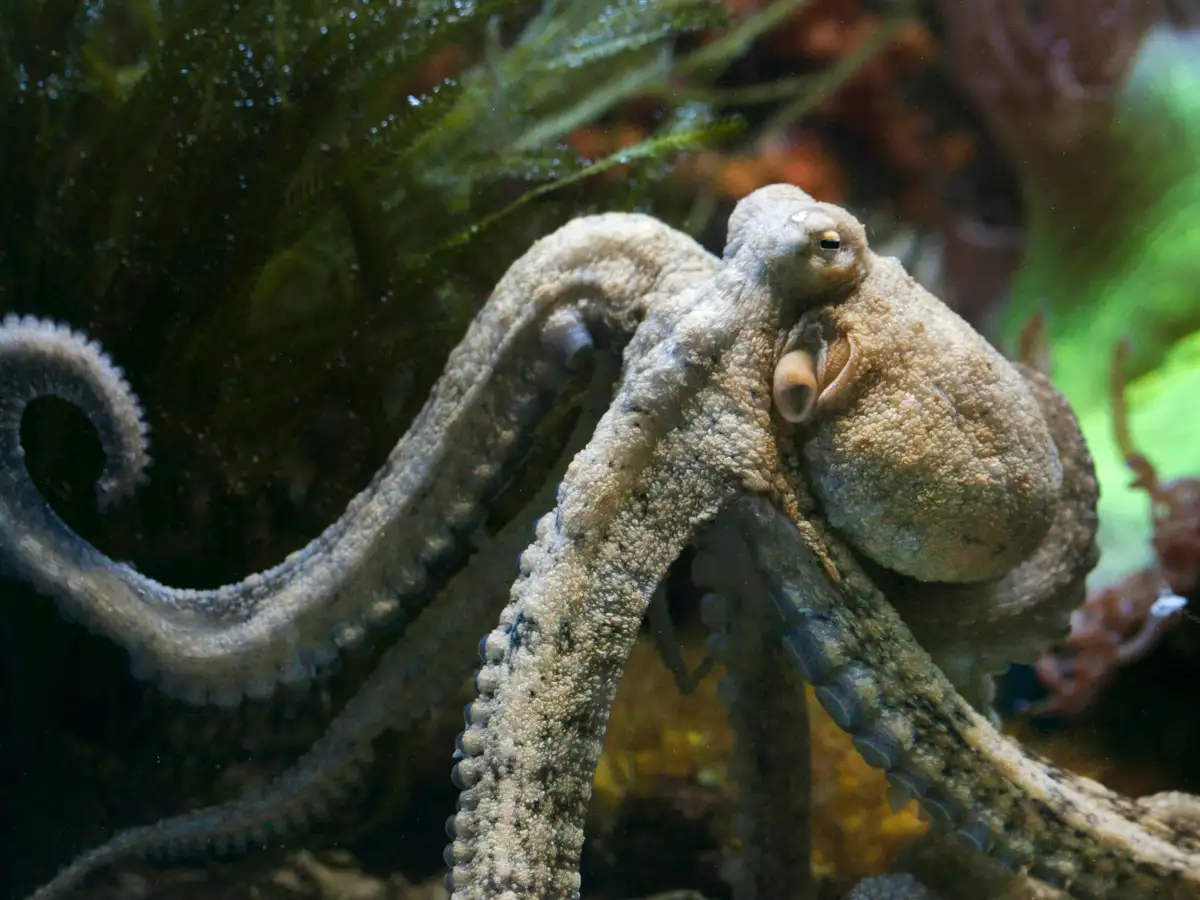
This unique arrangement helps octopuses manipulate objects with remarkable precision, an important ability when exploring their surroundings or searching for food.
In research settings, some octopuses have successfully completed tasks such as opening screw-top jars or removing lids from containers to reach food. These activities demonstrate behavioural flexibility rather than simple repetitive actions.
Their ability to learn from trial and error allows them to modify their behaviour when a particular approach does not succeed, improving their chances of obtaining food while conserving energy.
Problem-solving is just one part of a broader set of adaptations that includes escaping predators, locating prey and interacting with a constantly changing environment.
Octopuses solve puzzles through a combination of exploration, learning, memory and precise control of their flexible arms. Their highly developed nervous system enables them to respond effectively to new situations and adapt their behaviour based on experience. Although scientists continue to study the full extent of octopus intelligence, current research clearly shows that these remarkable cephalopods possess sophisticated problem-solving abilities that distinguish them from most other invertebrates and make them one of the ocean's most fascinating animals
A Highly Developed Nervous System
Unlike vertebrates, an octopus has a nervous system that is distributed throughout its body. While its brain plays a central role in processing information, a large proportion of its neurons are located in its arms. This allows the arms to carry out complex movements and respond to touch and other sensory information while remaining coordinated with the brain.This unique arrangement helps octopuses manipulate objects with remarkable precision, an important ability when exploring their surroundings or searching for food.
Learning Through Exploration
Scientists have observed octopuses investigating unfamiliar objects by touching, grasping and manipulating them with their arms and suckers. Rather than relying on instinct alone, they often learn through exploration and repeated experience.In research settings, some octopuses have successfully completed tasks such as opening screw-top jars or removing lids from containers to reach food. These activities demonstrate behavioural flexibility rather than simple repetitive actions.
You may also like
- 6 Powerful Reasons to Start Your Day With Methi Water
- UP Ayushman Card 2026: Who is eligible, what documents are required, and how to apply? Read here..
- PM-Family Care Tracker: Amit Shah launches PM-Family Care Tracker; find out what it is and how it benefits you..
- Psychology says couples who travel together in the first year are making a smarter emotional investment than couples who don't
- Amarnath Yatra 2026: Ban on tourist vehicles on the Gulmarg-Srinagar route after 5 PM; Baramulla Police issues advisory..
Memory Helps Improve Performance
Studies indicate that octopuses can remember successful solutions to certain tasks for extended periods. This enables them to complete familiar challenges more efficiently after previous experience.Their ability to learn from trial and error allows them to modify their behaviour when a particular approach does not succeed, improving their chances of obtaining food while conserving energy.
Adapted For Life In The Ocean
Octopus intelligence has evolved in response to the challenges of marine life. As mostly solitary animals without protective shells, they rely on camouflage, quick decision-making and flexible behaviour to survive.Problem-solving is just one part of a broader set of adaptations that includes escaping predators, locating prey and interacting with a constantly changing environment.
Octopuses solve puzzles through a combination of exploration, learning, memory and precise control of their flexible arms. Their highly developed nervous system enables them to respond effectively to new situations and adapt their behaviour based on experience. Although scientists continue to study the full extent of octopus intelligence, current research clearly shows that these remarkable cephalopods possess sophisticated problem-solving abilities that distinguish them from most other invertebrates and make them one of the ocean's most fascinating animals






More from our partners


Loving Newspoint? Download the app now
