
How Reindeer Brave Freezing Winters With Remarkable Survival Skills

For most animals, an Arctic winter is a season to endure. For reindeer, it is simply part of everyday life. These hardy mammals spend months in landscapes covered by snow, where temperatures can plunge well below freezing and food is often buried beneath thick layers of ice. Despite these challenging conditions, reindeer continue to travel, forage and raise their young. According to wildlife experts, their ability to survive is the result of a combination of physical adaptations and instinctive behaviours that have evolved over thousands of years, making them one of the best-equipped mammals for life in extreme cold.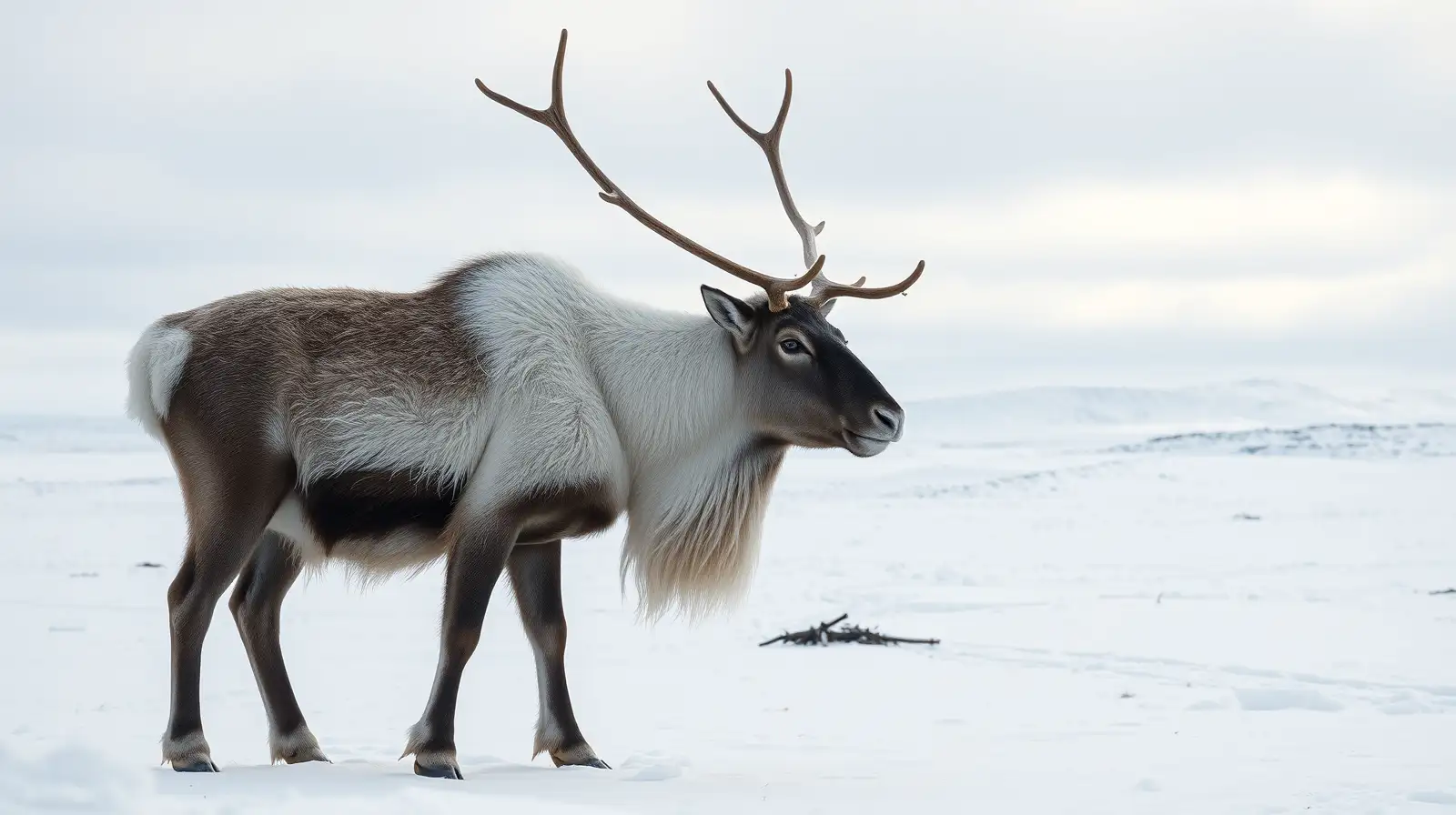
Wildlife researchers explain that this natural design helps reduce heat loss while also making the animal more buoyant when crossing rivers or lakes. The thick coat keeps reindeer warm even during severe Arctic storms.
The broad hooves also act like snowshoes, helping spread the animal's weight so it can move more easily across deep snow. They are equally useful for digging through snow to reach food hidden underneath.
According to experts, they use their powerful sense of smell to detect food buried beneath snow before scraping it away with their hooves. This behaviour allows them to find nourishment even when the landscape appears completely frozen.
Their bodies are also adapted to maintain circulation efficiently, helping keep vital organs warm while limiting heat loss from the legs.
Together, these remarkable adaptations allow reindeer to flourish in one of Earth's most unforgiving environments. From insulating fur and specialised hooves to efficient feeding strategies and seasonal migrations, they demonstrate how evolution has perfectly equipped them for life in the Arctic winter.
A Thick Coat That Traps Warm Air
One of the reindeer's greatest advantages is its dense winter coat. The fur consists of two layers, including hollow outer hairs that trap air and provide excellent insulation.Wildlife researchers explain that this natural design helps reduce heat loss while also making the animal more buoyant when crossing rivers or lakes. The thick coat keeps reindeer warm even during severe Arctic storms.
Special Hooves Built For Snow And Ice
Reindeer hooves change with the seasons. In winter, the soft foot pads shrink, exposing the hard edges of the hooves. This provides better grip on icy ground and compacted snow.The broad hooves also act like snowshoes, helping spread the animal's weight so it can move more easily across deep snow. They are equally useful for digging through snow to reach food hidden underneath.
You may also like
- What to Avoid Picking Up from the Road: A Guide to Religious Beliefs
- Significance and Observances of Ashadha Amavasya 2026
- Zodiac Remedies for Gupt Navratri: Enhance Your Life with Mahavidyas
- If your income exceeds ₹1 crore, make sure to fill out this form when filing your ITR; otherwise, you could receive a notice..
- EPFO Launches Amnesty Scheme 2026; PF Trusts Get Final Chance to Regularize Status..
Finding Food Beneath The Snow
During winter, fresh vegetation becomes scarce. Reindeer rely heavily on lichens, often called "reindeer moss", along with mosses, grasses and small shrubs.According to experts, they use their powerful sense of smell to detect food buried beneath snow before scraping it away with their hooves. This behaviour allows them to find nourishment even when the landscape appears completely frozen.
Conserving Energy In Extreme Conditions
Surviving winter is not only about staying warm but also about using energy wisely. Reindeer reduce unnecessary movement whenever possible and build up fat reserves during the warmer months to sustain themselves through periods when food is limited.Their bodies are also adapted to maintain circulation efficiently, helping keep vital organs warm while limiting heat loss from the legs.
Seasonal Migrations Improve Survival
Many wild reindeer migrate over long distances between seasonal grazing grounds. According to wildlife biologists, these journeys help them access better food supplies and avoid areas where snow becomes too deep for effective feeding.Together, these remarkable adaptations allow reindeer to flourish in one of Earth's most unforgiving environments. From insulating fur and specialised hooves to efficient feeding strategies and seasonal migrations, they demonstrate how evolution has perfectly equipped them for life in the Arctic winter.






Loving Newspoint? Download the app now
