
No Fancy Restaurant Needed: Delhi-NCR Is Making Gourmet Food More Accessible

For decades, the quintessential Delhi-NCR street food experience has revolved around familiar favourites. A plate of golgappe, a serving of aloo tikki chaat, steaming momos or a roll picked up on the way home has been enough to bring people to the roadside.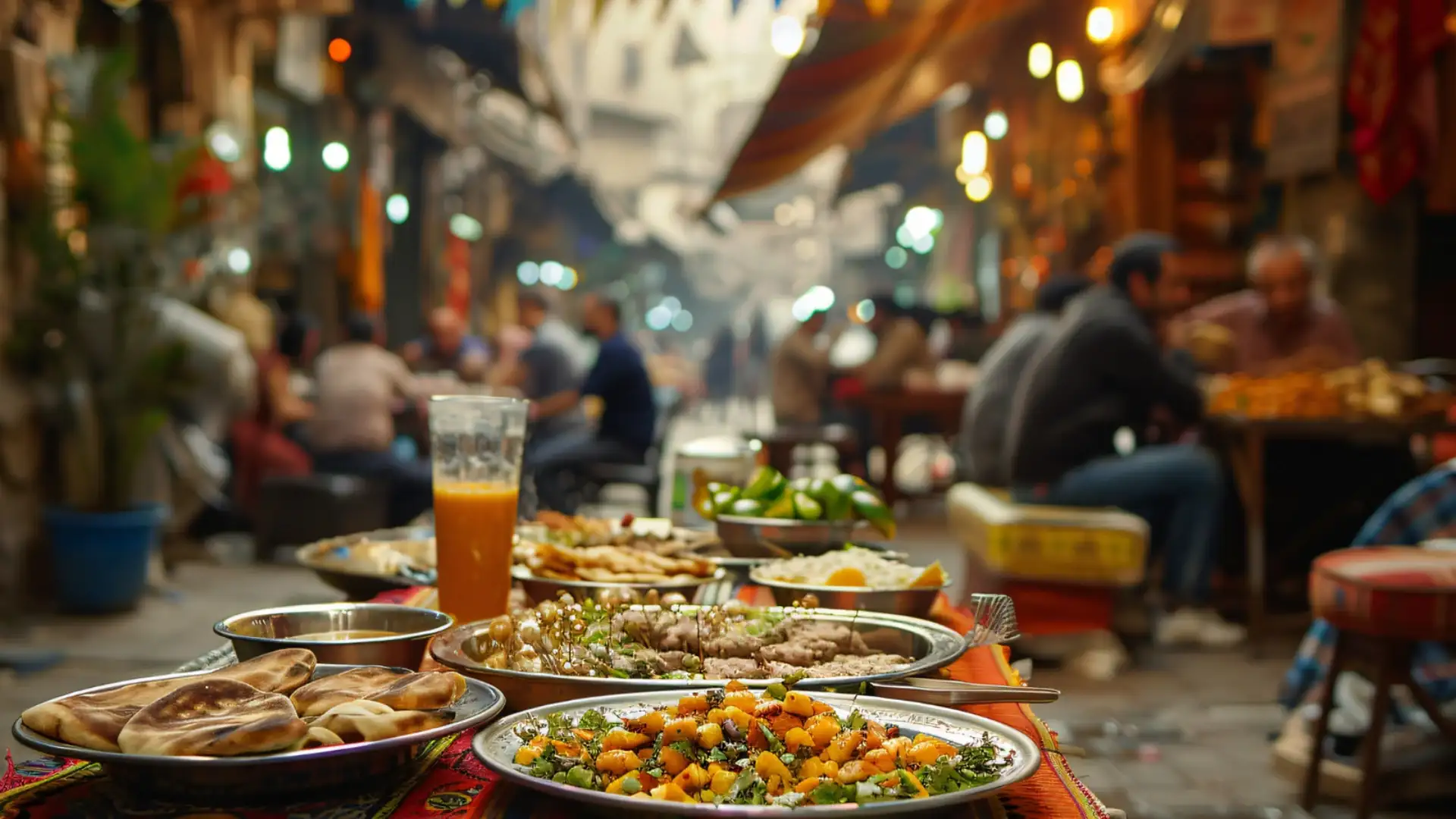
But the city's food scene is making room for some unexpected additions. Sushi, delicate dim sum, mango sticky rice and wood-fired Neapolitan pizza are beginning to appear alongside traditional street food, served not in polished restaurants but from compact roadside carts.
The change is more than a novelty. It reflects a growing willingness among some urban consumers to experiment with international cuisines, while entrepreneurs look for ways to make these dishes more accessible. Social media has also made discovering a new food stall part of the experience itself.
The result is an interesting meeting point between India's street food culture and the global flavours once associated primarily with premium dining.
In Noida's Sector 76, carts such as Steam Bites and Sushi Senpai are serving dim sum and sushi. In Gurgaon, International Food Haven has introduced Korean, Thai and Japanese dishes to its roadside menu.
For these businesses, affordability is a key part of the appeal. When a meal at a restaurant can cost considerably more, a smaller roadside serving offers customers an opportunity to explore unfamiliar cuisines without committing to a full dining experience.
The menus also extend beyond savoury food. Mango sticky rice, a Thai dessert combining coconut-infused rice with ripe mango, adds another international option to the roadside selection.
The appeal lies partly in the novelty, but also in the possibility of trying something different without the formality or expense of a restaurant visit.
At stalls such as Gusto Italiano and JP Pizzeria in Noida, customers can find Neapolitan-style pizzas featuring puffy crusts, bubbling cheese and lightly charred edges. Some are prepared with wood-fired ovens, bringing a more artisanal approach to a familiar favourite.
These businesses are changing the setting in which gourmet-style pizza is consumed. Instead of sitting inside a restaurant, customers might eat beside the cart, gather around standing tables or enjoy their food from their vehicles.
Prices vary according to the vendor, size and toppings, but the broader proposition is straightforward: bring the flavours and preparation associated with specialised pizzerias to a more casual setting.
For younger diners, the combination of freshly prepared food, an informal atmosphere and a distinctive menu can be appealing in its own right.
For customers, the experience begins before the first bite. Watching sushi being rolled, dough being stretched or dumplings being assembled adds a visual element to the meal.
There is also a sense of discovery involved. Trying a newly spotted food cart can become an outing, a conversation starter or a way to explore a neighbourhood.
This does not mean every customer is familiar with international cuisine. In fact, explaining the menu is often part of the business. A customer expecting conventional momos, for instance, may need help understanding how a particular style of dim sum differs in its wrapper, filling or preparation.
For vendors, making unfamiliar dishes approachable is as important as preparing them well. Smaller portions and clear explanations can help first-time customers decide whether they want to try something new.
A four-piece vegetarian sushi serving at some carts can start at around Rs 220, while a non-vegetarian portion may cost more depending on the ingredients and quantity. Roadside Neapolitan pizzas can also be priced below comparable restaurant offerings, although costs differ across vendors.
The business model depends on keeping the setup relatively small. A cart does not require the same dining space, elaborate interiors or front-of-house arrangements as a full-service restaurant.
However, the savings do not eliminate the need for planning and investment. Ingredients, refrigeration, preparation, equipment and labour remain essential, particularly for menus that include seafood, meat, sauces and other ingredients requiring careful handling.
Some entrepreneurs begin with modest investments, using their interest in food to test demand before expanding. For others, the cart is a full-time business, while some operate it alongside their primary jobs.
The model can create an entry point for aspiring food entrepreneurs, but its success depends on more than keeping prices low. Consistency, ingredient quality, customer demand and efficient operations all matter.
Many components need to be prepared in advance, including dough, sauces and fillings. Vendors may rely on separate preparation areas and refrigerated storage before transporting ingredients to the cart.
Maintaining suitable temperatures is particularly important when handling perishable ingredients. Limited space can make storage and organisation difficult, while a small team must manage preparation, cooking, serving and cleaning during busy periods.
Speed is another concern. A dish that requires careful assembly cannot always be served as quickly as a familiar street snack.
Long queues can create an awkward trade-off: customers may be willing to wait for a freshly prepared meal in a comfortable restaurant, but standing beside a busy road for an extended period is a different experience.
For gourmet street food businesses, the challenge is to preserve the quality of the food without making the ordering process inconvenient.
Some vendors in Noida have reported difficulties maintaining a fixed location because of complaints related to traffic and noise. Finding a suitable vending spot can become a challenge when customers stop their vehicles nearby or when available space is limited.
The issue highlights a wider tension in urban food culture. Roadside carts depend on visibility and footfall, but they also operate within public spaces where traffic movement, pedestrian access and local vending rules matter.
A location that attracts crowds can become commercially valuable, yet the same popularity can create operational problems.
Businesses therefore need more than a distinctive menu. Reliable locations, appropriate permissions, manageable queues and a consistent customer experience can all influence whether a viral food venture survives in the long run.
What is changing is the range of options available alongside them.
A roadside food market can now offer several different culinary experiences within the same stretch. One customer may stop for a familiar snack, while another arrives looking for sushi or a freshly baked pizza discovered online.
For entrepreneurs, this creates opportunities to experiment with menus and reach customers who might not regularly visit specialised restaurants. For diners, it makes international flavours more accessible and turns an ordinary food outing into an opportunity to try something new.
There are still questions about long-term demand, food handling, location stability and how well these businesses can scale. Not every viral cart will become a lasting success.
But the larger shift is clear: the boundary between street food and gourmet dining is becoming less rigid in parts of Delhi-NCR.
The next time someone stops at a thela, the order may still be a plate of golgappe. It could also be sushi, dim sum or a wood-fired pizza. India's street food culture is not abandoning its roots. It is simply making room for a few more flavours.
But the city's food scene is making room for some unexpected additions. Sushi, delicate dim sum, mango sticky rice and wood-fired Neapolitan pizza are beginning to appear alongside traditional street food, served not in polished restaurants but from compact roadside carts.
The change is more than a novelty. It reflects a growing willingness among some urban consumers to experiment with international cuisines, while entrepreneurs look for ways to make these dishes more accessible. Social media has also made discovering a new food stall part of the experience itself.
The result is an interesting meeting point between India's street food culture and the global flavours once associated primarily with premium dining.
Sushi and Dim Sum are finding a place on the roadside
Sushi and dim sum have traditionally been associated with specialist restaurants, carefully presented plates and relatively expensive menus. In Delhi-NCR, however, a growing number of food carts are attempting to bring these dishes to a wider audience.In Noida's Sector 76, carts such as Steam Bites and Sushi Senpai are serving dim sum and sushi. In Gurgaon, International Food Haven has introduced Korean, Thai and Japanese dishes to its roadside menu.
For these businesses, affordability is a key part of the appeal. When a meal at a restaurant can cost considerably more, a smaller roadside serving offers customers an opportunity to explore unfamiliar cuisines without committing to a full dining experience.
The menus also extend beyond savoury food. Mango sticky rice, a Thai dessert combining coconut-infused rice with ripe mango, adds another international option to the roadside selection.
The appeal lies partly in the novelty, but also in the possibility of trying something different without the formality or expense of a restaurant visit.
Neapolitan pizza is getting a street-side makeover
Pizza has long been popular in India, but the versions appearing on some Delhi-NCR roadside carts are moving beyond conventional fast-food offerings.At stalls such as Gusto Italiano and JP Pizzeria in Noida, customers can find Neapolitan-style pizzas featuring puffy crusts, bubbling cheese and lightly charred edges. Some are prepared with wood-fired ovens, bringing a more artisanal approach to a familiar favourite.
These businesses are changing the setting in which gourmet-style pizza is consumed. Instead of sitting inside a restaurant, customers might eat beside the cart, gather around standing tables or enjoy their food from their vehicles.
Prices vary according to the vendor, size and toppings, but the broader proposition is straightforward: bring the flavours and preparation associated with specialised pizzerias to a more casual setting.
For younger diners, the combination of freshly prepared food, an informal atmosphere and a distinctive menu can be appealing in its own right.
Why young consumers are driving the trend
One of the biggest advantages these carts have is discoverability. A food stall can attract attention through a short video, a creator's recommendation or a Reel showing a dish being prepared from scratch.For customers, the experience begins before the first bite. Watching sushi being rolled, dough being stretched or dumplings being assembled adds a visual element to the meal.
There is also a sense of discovery involved. Trying a newly spotted food cart can become an outing, a conversation starter or a way to explore a neighbourhood.
This does not mean every customer is familiar with international cuisine. In fact, explaining the menu is often part of the business. A customer expecting conventional momos, for instance, may need help understanding how a particular style of dim sum differs in its wrapper, filling or preparation.
For vendors, making unfamiliar dishes approachable is as important as preparing them well. Smaller portions and clear explanations can help first-time customers decide whether they want to try something new.
Gourmet food at lower prices: How do these carts manage it?
One of the most attractive aspects of roadside gourmet food is the potential to spend less than one might at a restaurant.A four-piece vegetarian sushi serving at some carts can start at around Rs 220, while a non-vegetarian portion may cost more depending on the ingredients and quantity. Roadside Neapolitan pizzas can also be priced below comparable restaurant offerings, although costs differ across vendors.
The business model depends on keeping the setup relatively small. A cart does not require the same dining space, elaborate interiors or front-of-house arrangements as a full-service restaurant.
However, the savings do not eliminate the need for planning and investment. Ingredients, refrigeration, preparation, equipment and labour remain essential, particularly for menus that include seafood, meat, sauces and other ingredients requiring careful handling.
Some entrepreneurs begin with modest investments, using their interest in food to test demand before expanding. For others, the cart is a full-time business, while some operate it alongside their primary jobs.
The model can create an entry point for aspiring food entrepreneurs, but its success depends on more than keeping prices low. Consistency, ingredient quality, customer demand and efficient operations all matter.
The hidden challenge: Gourmet food needs careful preparation
Preparing international dishes in a small roadside setup comes with practical limitations.Many components need to be prepared in advance, including dough, sauces and fillings. Vendors may rely on separate preparation areas and refrigerated storage before transporting ingredients to the cart.
Maintaining suitable temperatures is particularly important when handling perishable ingredients. Limited space can make storage and organisation difficult, while a small team must manage preparation, cooking, serving and cleaning during busy periods.
Speed is another concern. A dish that requires careful assembly cannot always be served as quickly as a familiar street snack.
Long queues can create an awkward trade-off: customers may be willing to wait for a freshly prepared meal in a comfortable restaurant, but standing beside a busy road for an extended period is a different experience.
For gourmet street food businesses, the challenge is to preserve the quality of the food without making the ordering process inconvenient.
When viral popularity meets the realities of street vending
Social media can help a new food cart become popular, but attracting attention is only one part of building a sustainable business.Some vendors in Noida have reported difficulties maintaining a fixed location because of complaints related to traffic and noise. Finding a suitable vending spot can become a challenge when customers stop their vehicles nearby or when available space is limited.
The issue highlights a wider tension in urban food culture. Roadside carts depend on visibility and footfall, but they also operate within public spaces where traffic movement, pedestrian access and local vending rules matter.
You may also like
- Why do married women worship the moon—and not the Sun god—on Karwa Chauth?
- “No TV, no phones…”: How Asin and her husband are raising their daughter away from screens; “She can speak about 12 languages”
- Essential Guide for Senior Citizens Planning a Pilgrimage
- Understanding the Significance of Karwa Chauth: Traditions and Rituals
- Karwa Chauth 2023: Essential Details on Bhadra and Auspicious Timing
A location that attracts crowds can become commercially valuable, yet the same popularity can create operational problems.
Businesses therefore need more than a distinctive menu. Reliable locations, appropriate permissions, manageable queues and a consistent customer experience can all influence whether a viral food venture survives in the long run.
Is gourmet street food here to stay?
The rise of gourmet food carts does not mean traditional street food is losing its place. Golgappe, chaat, momos and other familiar favourites remain central to the experience of eating on India's streets.What is changing is the range of options available alongside them.
A roadside food market can now offer several different culinary experiences within the same stretch. One customer may stop for a familiar snack, while another arrives looking for sushi or a freshly baked pizza discovered online.
For entrepreneurs, this creates opportunities to experiment with menus and reach customers who might not regularly visit specialised restaurants. For diners, it makes international flavours more accessible and turns an ordinary food outing into an opportunity to try something new.
There are still questions about long-term demand, food handling, location stability and how well these businesses can scale. Not every viral cart will become a lasting success.
But the larger shift is clear: the boundary between street food and gourmet dining is becoming less rigid in parts of Delhi-NCR.
The next time someone stops at a thela, the order may still be a plate of golgappe. It could also be sushi, dim sum or a wood-fired pizza. India's street food culture is not abandoning its roots. It is simply making room for a few more flavours.






Loving Newspoint? Download the app now
