
Science Fiction: How Imaginary Worlds Predict the Future of Humanity

Science fiction has always been more than stories about distant galaxies, alien worlds, and futuristic machines. It is a powerful way of exploring human curiosity, imagination, and the possibilities of tomorrow. Long before many modern inventions became reality, science fiction writers imagined technologies that once seemed impossible, from space travel and artificial intelligence to advanced communication systems. This unique genre allows us to question where humanity is heading and how science and technology may transform our lives. Today, science fiction continues to inspire scientists, engineers, filmmakers, and ordinary people who dream about what the future could become.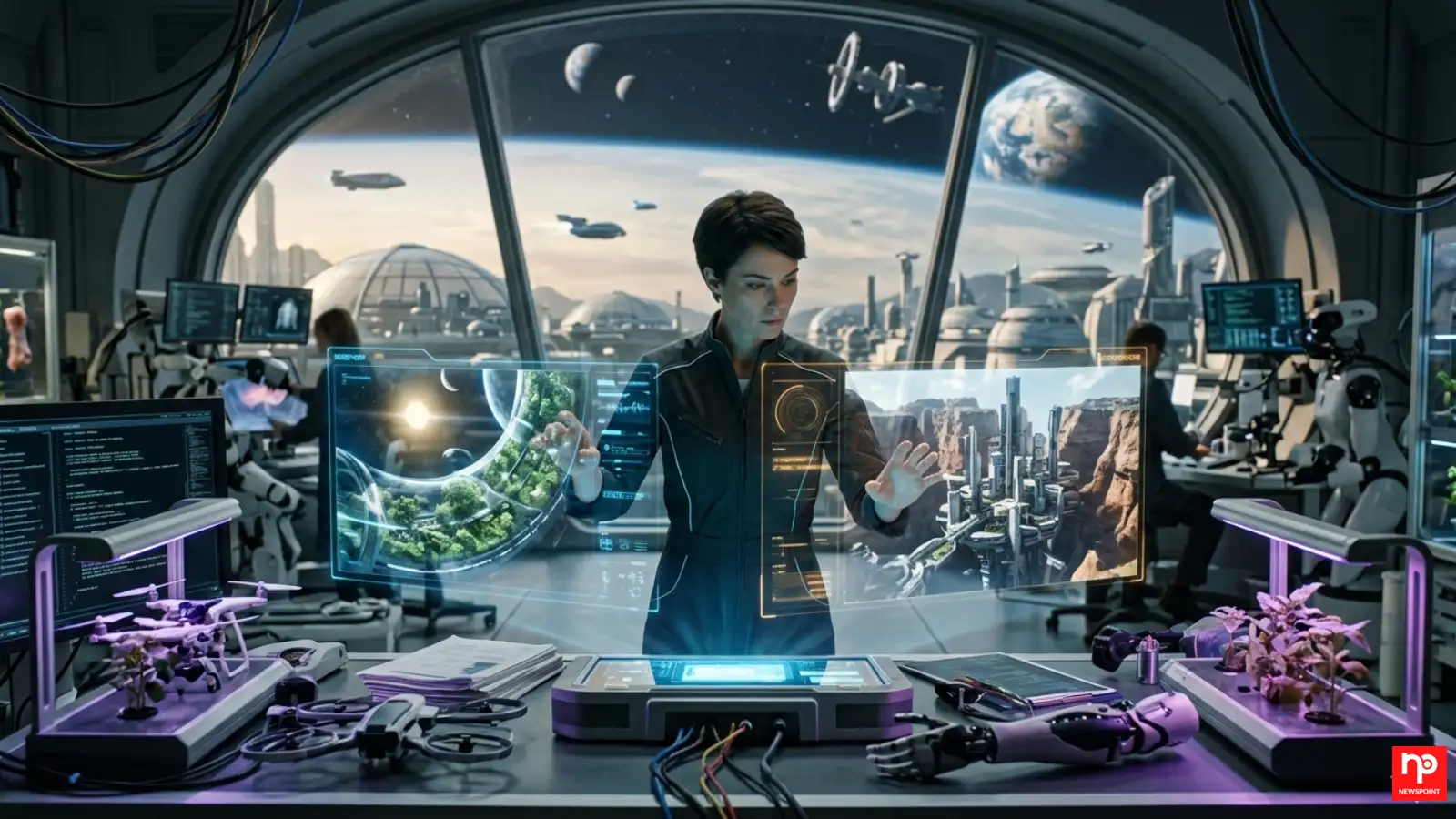
During the 19th and early 20th centuries, writers began imagining submarines, space journeys, and futuristic inventions. Authors such as Jules Verne and H. G. Wells introduced readers to ideas that later influenced real scientific progress.
For example, video calls were imagined in early science fiction decades before platforms like modern video communication services became common. Similarly, artificial intelligence, robotic assistants, and autonomous machines have been explored in science fiction for years before becoming major areas of scientific research.
The connection between science fiction and innovation is not accidental. Many scientists have explained that fictional ideas encouraged them to explore new possibilities. A young reader inspired by a futuristic story may eventually become the engineer who turns that idea into reality.
Modern science fiction frequently addresses issues such as climate change, genetic engineering, cybersecurity, and social inequality. These stories allow people to discuss complex challenges through imaginative worlds that reflect our own.
Another surprising fact is that science fiction is not only about predicting the future. Some writers intentionally create unrealistic worlds to understand human behaviour, politics, and society. The future setting often becomes a mirror for examining problems that exist today.
Science fiction encourages people to think creatively and consider both the benefits and risks of innovation. It reminds us that every invention begins with an idea, and imagination often becomes the first step towards progress.
The Origins of Science Fiction and Its Early Imagination
The roots of science fiction can be traced back several centuries, although the term itself became popular in the 20th century. Early works explored ideas about scientific discoveries, future societies, and unknown worlds. One of the most influential examples is Frankenstein, written by Mary Shelley. Often considered one of the earliest science fiction novels, it examined the consequences of scientific ambition and the responsibility that comes with creating life.During the 19th and early 20th centuries, writers began imagining submarines, space journeys, and futuristic inventions. Authors such as Jules Verne and H. G. Wells introduced readers to ideas that later influenced real scientific progress.
How Science Fiction Predicts Real Technology
One of the most fascinating aspects of science fiction is its ability to imagine technologies before they exist. Many concepts that appeared in fictional stories eventually became part of everyday life.For example, video calls were imagined in early science fiction decades before platforms like modern video communication services became common. Similarly, artificial intelligence, robotic assistants, and autonomous machines have been explored in science fiction for years before becoming major areas of scientific research.
You may also like
- Psychology says people who travel solo at least once a year share these 8 personality traits — and they are not what you would expect
- How Hyderabad's favourite dish changed this Japanese chef's life
- What's the difference between ECR and ECNR on an Indian passport, and who needs it?
- FIFA World Cup 2026: From the goose-bump inducing Viking clap to Mexico “adopting” South Korea, football has always been about the people in the stands. The fans.
- Boden swimsuit is 'really flattering especially around the belly' - now 30% cheaper
The connection between science fiction and innovation is not accidental. Many scientists have explained that fictional ideas encouraged them to explore new possibilities. A young reader inspired by a futuristic story may eventually become the engineer who turns that idea into reality.
Science Fiction’s Role in Understanding the Future
Beyond technology, science fiction helps society examine important questions about ethics, humanity, and change. Stories about artificial intelligence often explore whether machines can think, feel, or make independent decisions. Space-based stories question humanity’s role beyond Earth and whether we are prepared to explore other planets.Modern science fiction frequently addresses issues such as climate change, genetic engineering, cybersecurity, and social inequality. These stories allow people to discuss complex challenges through imaginative worlds that reflect our own.
Lesser-Known Facts About Science Fiction
Many people do not realise that science fiction has influenced real space exploration . Some astronauts and scientists have credited science fiction stories with inspiring their careers. The genre also introduced popular ideas such as wearable technology, virtual reality, and advanced medical treatments long before they became practical.Another surprising fact is that science fiction is not only about predicting the future. Some writers intentionally create unrealistic worlds to understand human behaviour, politics, and society. The future setting often becomes a mirror for examining problems that exist today.
Why Science Fiction Matters Today
In the modern world, science fiction remains highly relevant because technology is advancing faster than ever. Artificial intelligence, space exploration, biotechnology, and robotics are no longer distant concepts. They are becoming part of everyday discussions and decisions.Science fiction encourages people to think creatively and consider both the benefits and risks of innovation. It reminds us that every invention begins with an idea, and imagination often becomes the first step towards progress.






More from our partners


Loving Newspoint? Download the app now
