
Science Fiction: How Imaginary Worlds Predict the Future of Humanity

Science fiction has always been more than stories about distant galaxies, alien worlds, and futuristic machines. It is a powerful way of exploring human curiosity, imagination, and the possibilities of tomorrow. Long before many modern inventions became reality, science fiction writers imagined technologies that once seemed impossible, from space travel and artificial intelligence to advanced communication systems. This unique genre allows us to question where humanity is heading and how science and technology may transform our lives. Today, science fiction continues to inspire scientists, engineers, filmmakers, and ordinary people who dream about what the future could become.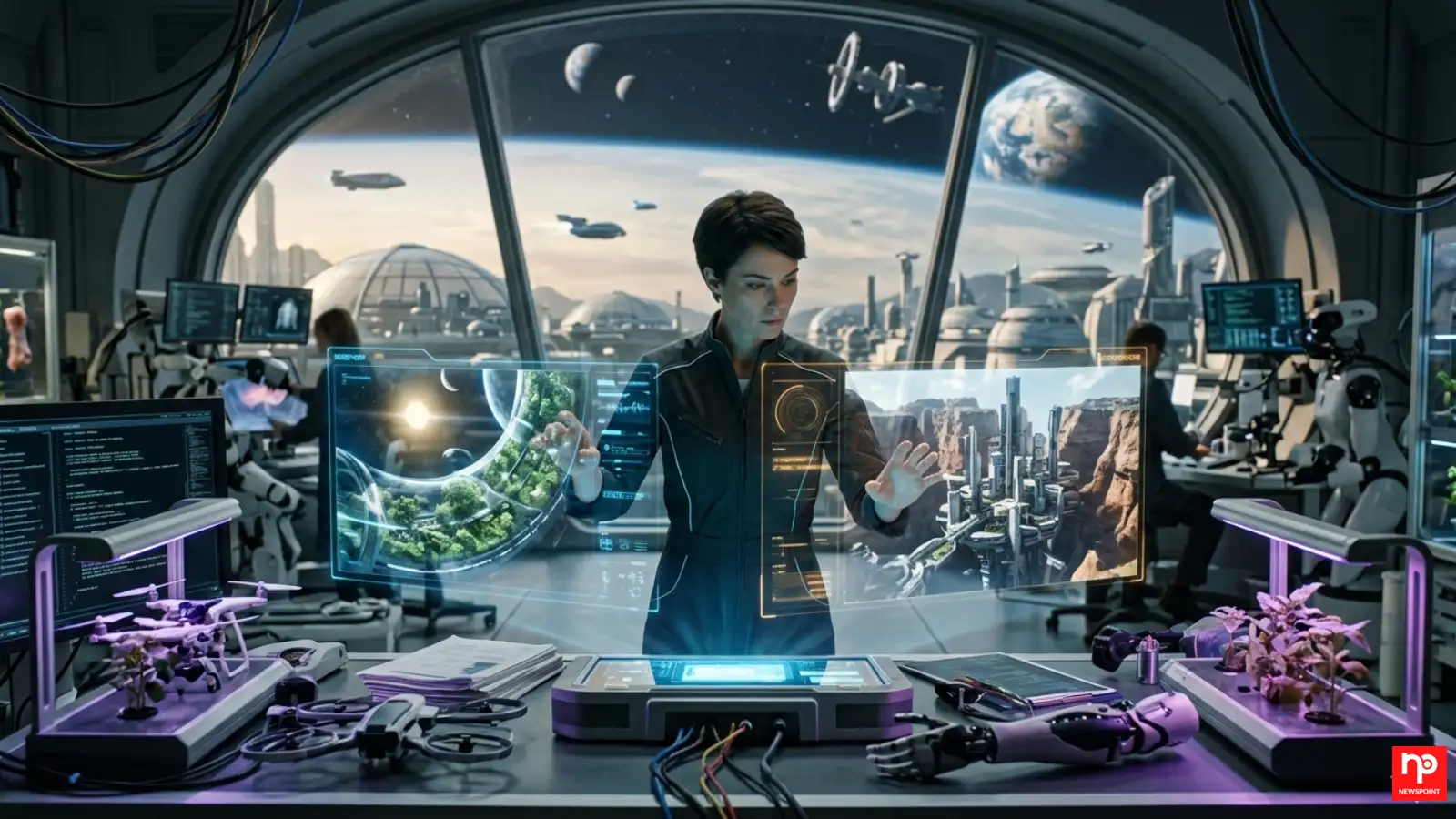
During the 19th and early 20th centuries, writers began imagining submarines, space journeys, and futuristic inventions. Authors such as Jules Verne and H. G. Wells introduced readers to ideas that later influenced real scientific progress.
For example, video calls were imagined in early science fiction decades before platforms like modern video communication services became common. Similarly, artificial intelligence, robotic assistants, and autonomous machines have been explored in science fiction for years before becoming major areas of scientific research.
The Origins of Science Fiction and Its Early Imagination
The roots of science fiction can be traced back several centuries, although the term itself became popular in the 20th century. Early works explored ideas about scientific discoveries, future societies, and unknown worlds. One of the most influential examples is Frankenstein, written by Mary Shelley. Often considered one of the earliest science fiction novels, it examined the consequences of scientific ambition and the responsibility that comes with creating life.During the 19th and early 20th centuries, writers began imagining submarines, space journeys, and futuristic inventions. Authors such as Jules Verne and H. G. Wells introduced readers to ideas that later influenced real scientific progress.
How Science Fiction Predicts Real Technology
One of the most fascinating aspects of science fiction is its ability to imagine technologies before they exist. Many concepts that appeared in fictional stories eventually became part of everyday life.For example, video calls were imagined in early science fiction decades before platforms like modern video communication services became common. Similarly, artificial intelligence, robotic assistants, and autonomous machines have been explored in science fiction for years before becoming major areas of scientific research.
Next Story