
From Secret Spots to Viral Trends: How Social Media Has Changed the Meaning of a Hidden Gem

For generations, discovering a hidden gem meant stumbling upon a quiet seaside village, a secluded forest waterfall, or a tiny family-run eatery tucked away in a cobblestone alleyway. These secret places were passed down through quiet word of mouth, personal travel journals, or handwritten notes from adventurous friends. Finding an unspoiled spot offered a profound sense of personal discovery, rewarding curious travellers who dared to step off the beaten track. However, the global rise of short-form video platforms, algorithm-driven feeds, and instant location tagging has transformed the travel landscape. Examining how social media has changed the meaning of a hidden gem reveals a dramatic shift from quiet, preserved treasures to fast-paced viral destinations.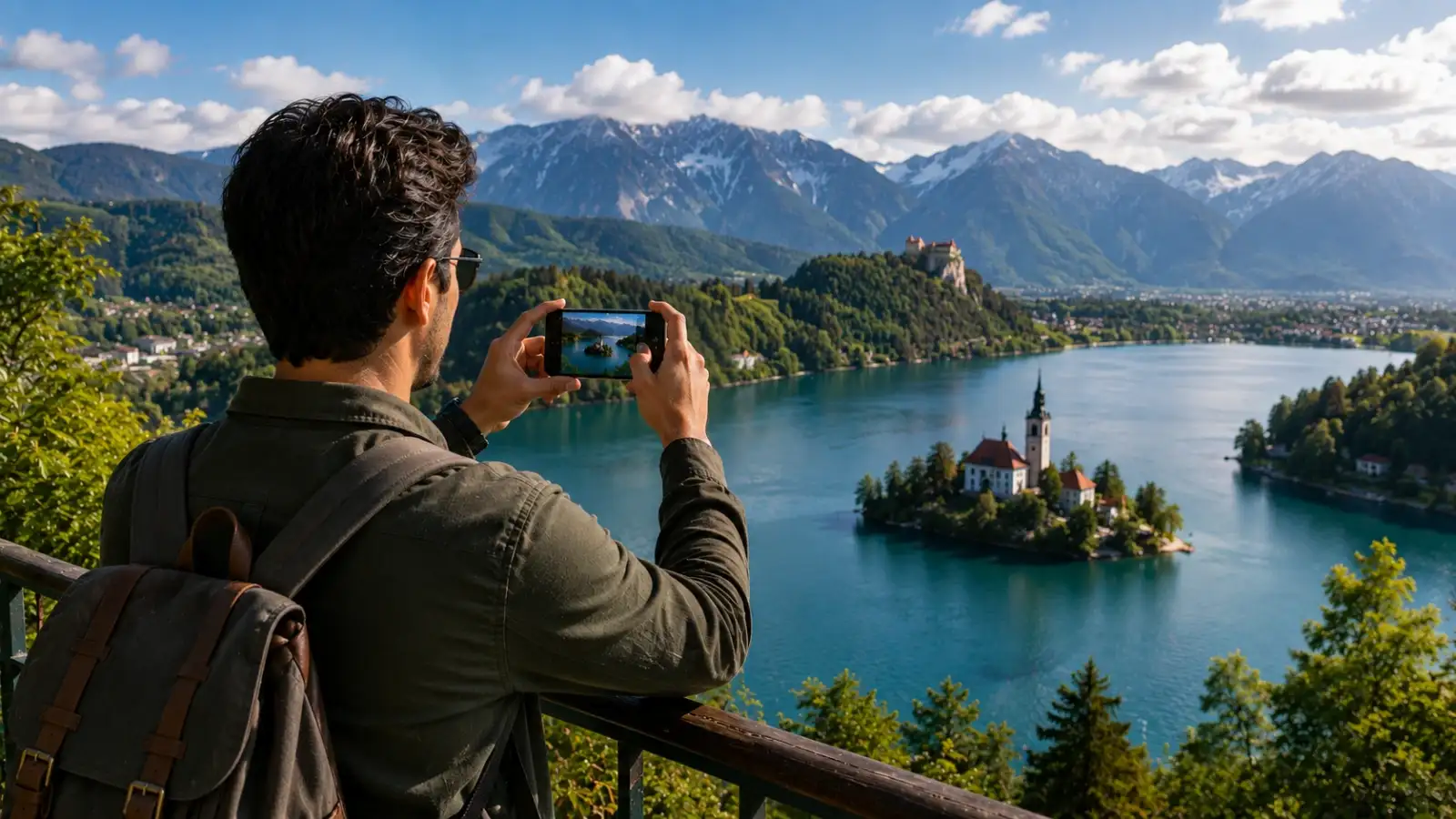
The instant journey from quiet secret to viral sensation
In the modern digital age, a serene location can go from complete obscurity to global fame in a matter of hours. A single aesthetic video showing golden morning light over a secluded bridge can quickly gather millions of views. As soon as thousands of users save the clip and demand the exact GPS coordinates in the comments section, the secret is out. Modern algorithms actively push popular content to people with similar interests, accelerating the speed at which quiet spots are discovered. Consequently, the term hidden gem no longer refers to a location that remains unknown to the public. Instead, it often describes a newly trending spot that simply has not yet reached peak crowds.Overtourism and the environmental impact on delicate locations
The rapid influx of tourists driven by viral video trends brings significant challenges to delicate ecosystems and small local communities. Quiet mountain trails, narrow village roads, and peaceful beaches rarely possess the physical infrastructure required to handle sudden, massive crowds. Bumper-to-bumper traffic, severe littering, parking congestion, and environmental damage frequently follow a viral surge. Local residents who once enjoyed a tranquil lifestyle suddenly find their everyday spaces overwhelmed by long queues and loud photo shoots. When a location becomes over-commercialised to accommodate continuous crowds, the original quiet charm that made it special in the first place quickly vanishes.The practice of destination gatekeeping and responsible sharing
As a direct reaction to overtourism, a new digital debate has emerged among conscious travellers. Many content creators and holidaymakers now practice destination gatekeeping, deliberately withholding exact location names or geotags when posting photos online. Proponents argue that hiding specific coordinates protects delicate natural landscapes and prevents quiet communities from getting overrun. On the other hand, some argue that sharing locations supports small local businesses and homestays that rely on tourist income. This ongoing debate highlights how internet culture has fundamentally altered our relationship with travel exploration.Redefining what a true hidden gem means today
Because almost every geographic point on Earth can be mapped and searched within seconds, the concept of a hidden gem must be redefined. Today, finding a secret spot is less about finding a geographic place that no one else knows exists. Instead, it is about cultivating a mindset of slow, respectful, and intentional travel. True gems are found when travellers put down their smartphones, step away from viral photo checklists, and engage authentically with local history, food, and culture. By prioritizing real human connection over digital validation, you can still experience the magic of genuine discovery in an overly documented world.Next Story