
Why Living Alone Helps Certain Mammals Survive in the Wild

When people think of mammals, they often picture wolves hunting in packs, elephants travelling in herds or monkeys living in large social groups. While many mammals depend on close social bonds, others spend almost their entire lives alone. For these solitary animals, avoiding company is not a sign of weakness or loneliness. Instead, it is a highly successful survival strategy shaped by millions of years of evolution. From elusive snow leopards and elusive wolverines to powerful tigers and secretive orangutans, solitary mammals have developed unique behaviours that allow them to find food, defend territory and raise their young without relying on a group.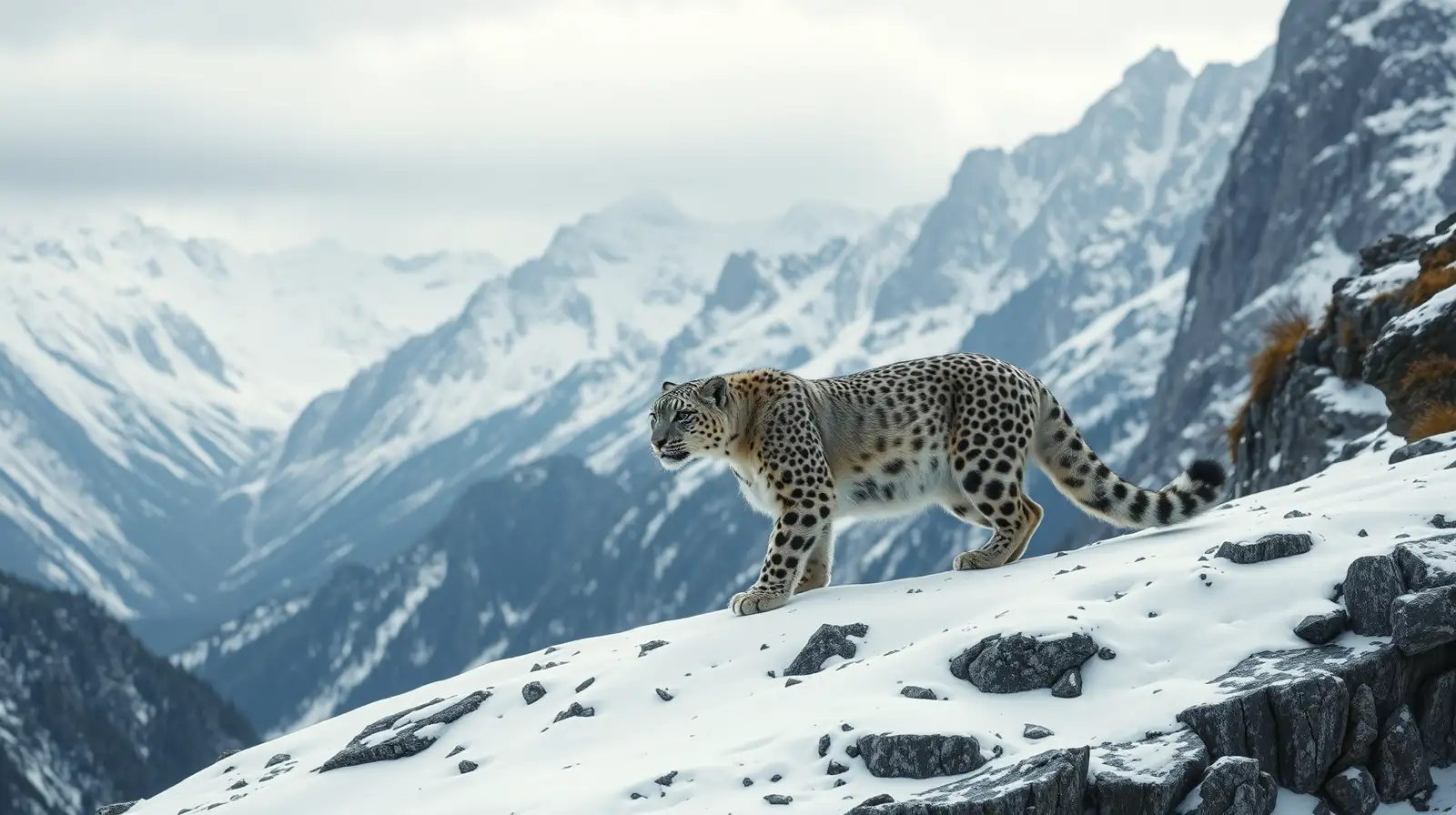
Large predators such as tigers are a perfect example. A single tiger requires an enormous hunting range to catch sufficient prey. If several adult tigers lived together permanently, competition would quickly reduce available food, making survival far more difficult.
By maintaining separate territories, these animals avoid unnecessary conflict while ensuring enough resources remain available.
If multiple adults shared the same territory, the available prey would soon become scarce. Solitary behaviour allows each individual to spread across wider areas, reducing pressure on local wildlife populations.
The same principle applies to smaller mammals such as pine martens and many wild cats, which rely on carefully defended hunting grounds.
Wolverines are particularly famous for defending large territories despite their relatively modest size. Their powerful sense of smell helps them locate food hidden beneath snow while also recognising the scent marks left by neighbouring animals.
Although confrontations occasionally occur, clear territorial boundaries usually prevent serious fights, saving valuable energy and reducing the risk of injury.
In many species, mothers raise their young entirely on their own. Female tigers, leopards and bears spend months teaching their offspring how to hunt, climb or find food before the young eventually leave to establish territories of their own.
This independence encourages young animals to develop the survival skills they will need throughout adulthood.
Orangutans provide an interesting example. They usually travel alone through tropical forests, yet they remain aware of nearby individuals through long-distance calls and occasional social encounters.
This flexible approach allows them to balance independence with the benefits of limited communication.
Brown bears can recall productive feeding areas year after year, while snow leopards navigate rugged mountain terrain with extraordinary precision despite rarely encountering others of their species.
Modern tracking technology has also revealed that territories sometimes overlap peacefully, with animals using the same areas at different times to avoid conflict.
Conservation efforts increasingly focus on protecting connected landscapes rather than isolated reserves. Wildlife corridors allow solitary mammals to move safely between habitats, find mates and maintain healthy populations.
Learning how these animals live also helps reduce conflicts between wildlife and nearby communities.
Living Alone Can Increase the Chances of Survival
For many mammals, sharing space simply creates too much competition. Food, water and shelter are often limited, particularly in harsh environments. Living alone allows an animal to claim a territory with enough resources to meet its own needs.Large predators such as tigers are a perfect example. A single tiger requires an enormous hunting range to catch sufficient prey. If several adult tigers lived together permanently, competition would quickly reduce available food, making survival far more difficult.
By maintaining separate territories, these animals avoid unnecessary conflict while ensuring enough resources remain available.
Solitary Life Reduces Competition
Many solitary mammals specialise in hunting prey that cannot support large groups of predators. Snow leopards living high in the mountains, for instance, often spend days searching for a single successful hunt.If multiple adults shared the same territory, the available prey would soon become scarce. Solitary behaviour allows each individual to spread across wider areas, reducing pressure on local wildlife populations.
The same principle applies to smaller mammals such as pine martens and many wild cats, which rely on carefully defended hunting grounds.
Territory Is More Valuable Than Friendship
For many solitary mammals, protecting territory is one of the most important aspects of life. They use scent markings, vocal calls and physical displays to warn rivals to stay away.Wolverines are particularly famous for defending large territories despite their relatively modest size. Their powerful sense of smell helps them locate food hidden beneath snow while also recognising the scent marks left by neighbouring animals.
Although confrontations occasionally occur, clear territorial boundaries usually prevent serious fights, saving valuable energy and reducing the risk of injury.
Raising Young Without a Permanent Group
Living alone does not mean mammals never interact. During the breeding season, males and females meet to mate before returning to their separate lives.In many species, mothers raise their young entirely on their own. Female tigers, leopards and bears spend months teaching their offspring how to hunt, climb or find food before the young eventually leave to establish territories of their own.
This independence encourages young animals to develop the survival skills they will need throughout adulthood.
Solitary Does Not Mean Unsociable
Although these mammals spend most of their lives alone, many still communicate regularly. Scent marks, scratch marks, vocal calls and even body language help individuals exchange information without direct contact.You may also like
- 7 Home Remedies That May Fade Dark Circles Naturally
- Prabh Uppal: A Journey of Resilience in the Modelling Industry
- 7 Conversation mistakes that can turn small disagreements into bigger relationship conflicts
- Quote of the day by Sadhguru: “If you want to cross the boundaries of your present existence, you need madness in your heart but absolute balance in your head.” ; What the mystic and yogi advises about keeping the right balance between fire and calm of mind
- What is Blue Aadhaar? Here are three ways to download it
Orangutans provide an interesting example. They usually travel alone through tropical forests, yet they remain aware of nearby individuals through long-distance calls and occasional social encounters.
This flexible approach allows them to balance independence with the benefits of limited communication.
Lesser-Known Facts About Solitary Mammals
Scientists have discovered that some solitary mammals possess remarkable memories, enabling them to remember food sources and territorial boundaries across vast landscapes.Brown bears can recall productive feeding areas year after year, while snow leopards navigate rugged mountain terrain with extraordinary precision despite rarely encountering others of their species.
Modern tracking technology has also revealed that territories sometimes overlap peacefully, with animals using the same areas at different times to avoid conflict.
Why Understanding Solitary Mammals Matters Today
Many solitary mammals are among the world's most threatened species. Habitat loss, human development and climate change are shrinking the large territories these animals require to survive.Conservation efforts increasingly focus on protecting connected landscapes rather than isolated reserves. Wildlife corridors allow solitary mammals to move safely between habitats, find mates and maintain healthy populations.
Learning how these animals live also helps reduce conflicts between wildlife and nearby communities.






Loving Newspoint? Download the app now
