
How Some Species Survive Without Deep Sleep

Sleep is a vital process for humans, allowing the body and mind to restore. Yet, across the animal kingdom, not all species enjoy the same deep restorative sleep that humans take for granted. Some animals have evolved to rest in ways that balance survival needs with energy conservation, often without ever fully “switching off.”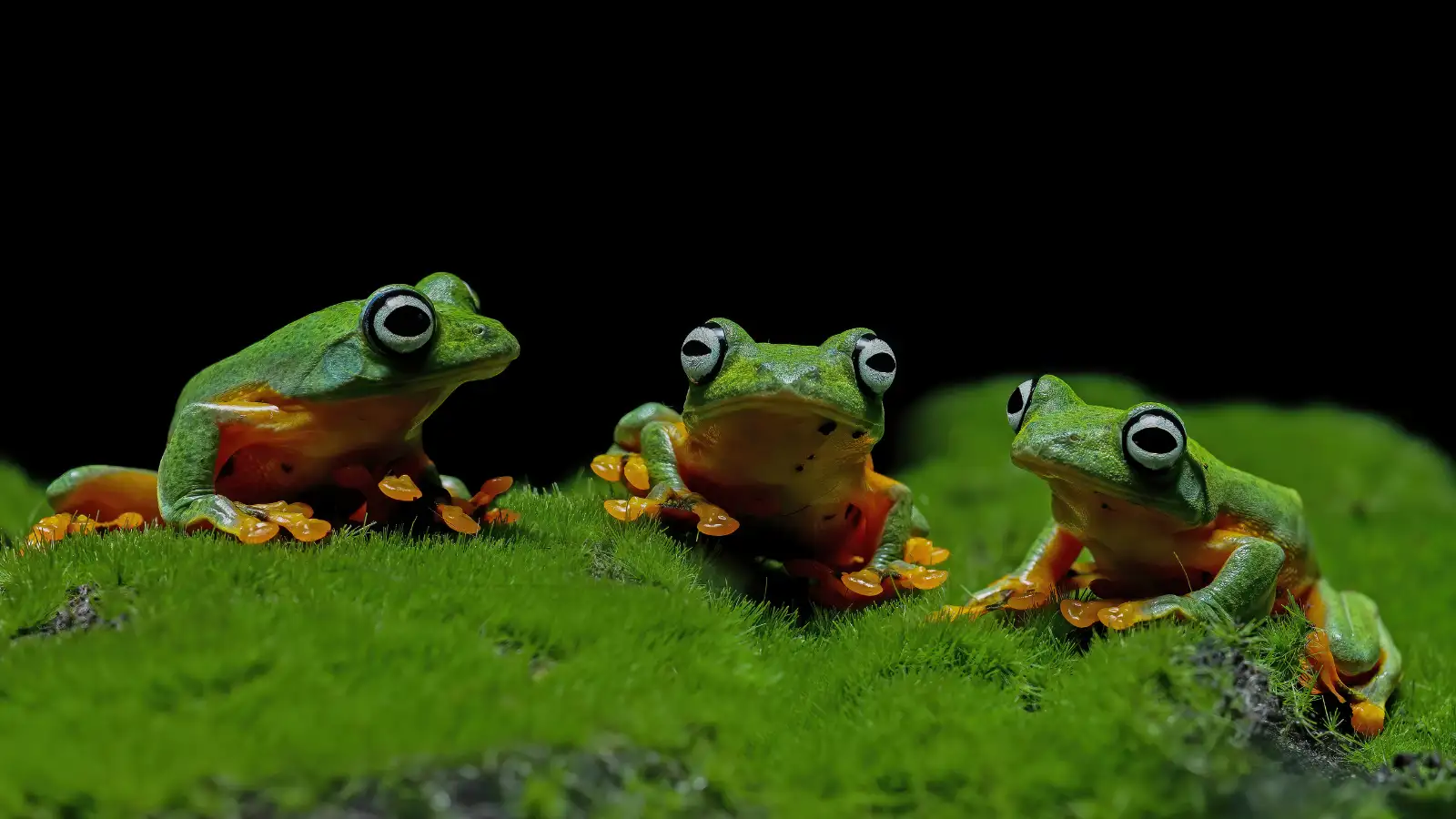
Read More: 9 Land Animals That Are Surprisingly Great Swimmers
In nature, sleep isn’t a luxury but it’s a balance between rest and survival. Species that can’t afford long deep sleep have developed incredible adaptations, from half-brain sleep to micro naps, ensuring they stay alert, safe, and ready to thrive in their environments. These extraordinary strategies show that the human concept of sleep is just one of many solutions evolution has created.
Ants
Ants are masters of efficiency. They don’t sleep in long stretches like humans. Instead, ants take hundreds of tiny naps throughout the day, remaining active almost continuously. This fragmented sleep pattern ensures the colony keeps functioning while individual ants recharge in micro doses.Bullfrogs
Bullfrogs are famously alert, even while resting. Studies show they do not enter clear deep sleep, remaining responsive to sounds and environmental cues at all times. This constant vigilance is a survival mechanism against predators in their habitats.You may also like
- 4 High-Protein Vegetarian Foods for Muscle Growth (Gym Diet)
- Cheapest car to insure in UK revealed and it's not a Toyota, Hyundai or Ford
- Ignoring the urge to urinate can silently damage your kidneys
- Understanding Edema: The Hidden Signs of Heart Health Issues
- Top Protein-Rich Foods to Boost Your Health
Dolphins
Dolphins have perfected unihemispheric sleep , where one half of their brain rests while the other stays awake. This allows them to breathe consciously and maintain awareness of their surroundings, even while sleeping in water. It’s a fascinating adaptation that prioritises survival over full rest.Read More: 9 Land Animals That Are Surprisingly Great Swimmers
Fruit Flies
Fruit flies may sleep only for a few minutes each day, yet they function normally. Their short bursts of rest demonstrate that even minimal sleep can be sufficient for maintaining basic biological processes in some species.Great Frigatebirds
Great Frigatebirds can sleep mid-flight. Using half-brain sleep, they rest briefly sometimes under an hour a day while soaring over oceans. This unique strategy allows them to navigate and hunt without landing, ensuring survival during long flights.Jellyfish
Jellyfish, lacking brains entirely, do not sleep as mammals do. Instead, they enter a “sleep-like” inactive state, reducing movement and responsiveness. This rest allows their simple bodies to conserve energy while continuing essential functions.In nature, sleep isn’t a luxury but it’s a balance between rest and survival. Species that can’t afford long deep sleep have developed incredible adaptations, from half-brain sleep to micro naps, ensuring they stay alert, safe, and ready to thrive in their environments. These extraordinary strategies show that the human concept of sleep is just one of many solutions evolution has created.






More from our partners


Loving Newspoint? Download the app now
