
How The Colours Of Vegetables Reveal Their Hidden Health Benefits

A colourful plate is often a sign of a nutritious meal, and when it comes to vegetables, colour can reveal a great deal about their health benefits. The pigments that give vegetables their vibrant shades are naturally occurring compounds that often contain important vitamins, minerals and antioxidants. Different colours are associated with different nutrients, which means that eating a variety of vegetables can provide a broader range of health-supporting compounds. Rather than focusing on a single "superfood", nutrition experts frequently encourage people to eat a rainbow of vegetables. Understanding the fascinating relationship between vegetable colours and health can help you make better dietary choices and support overall wellbeing.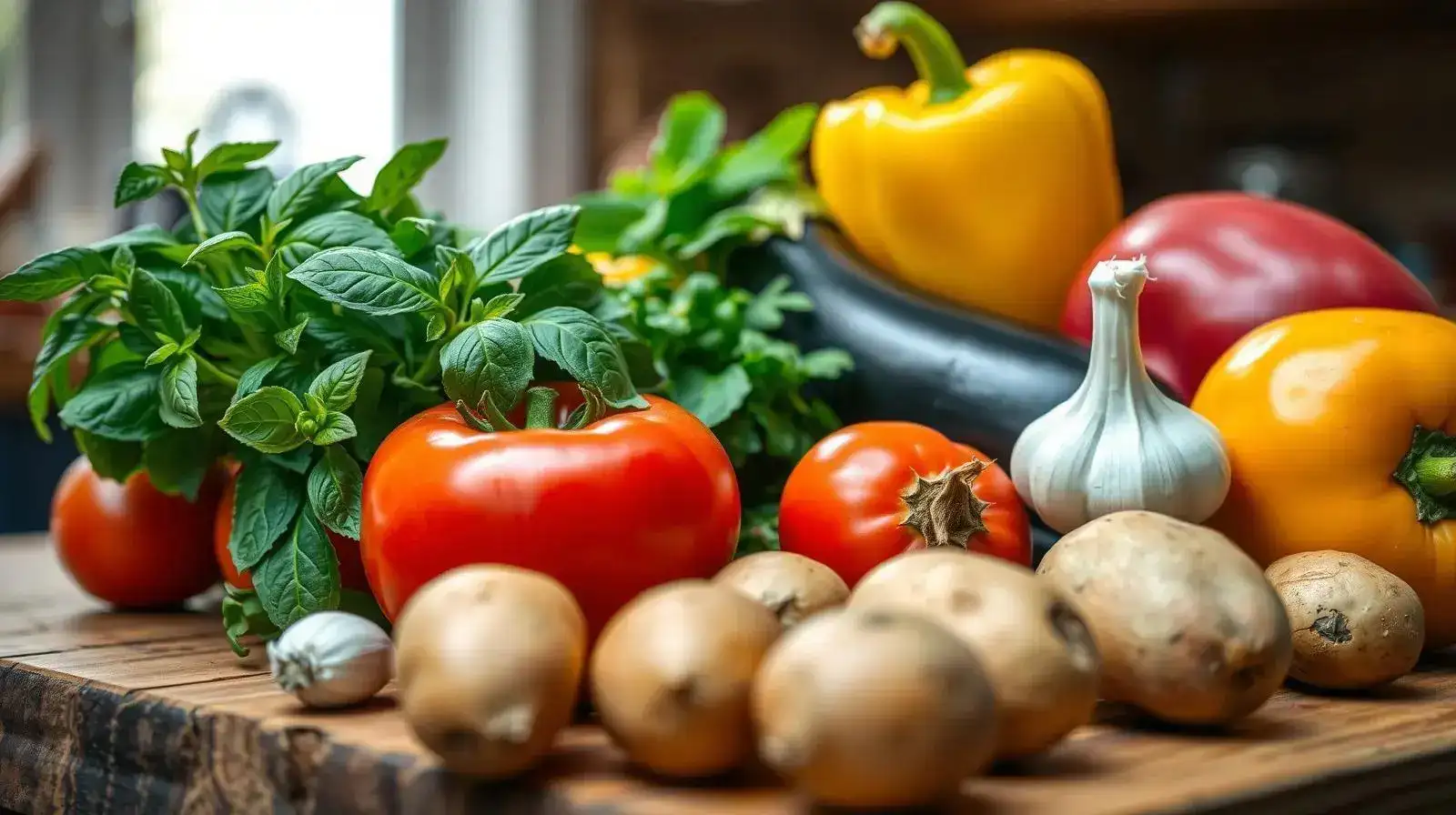
Different coloured vegetables provide different nutritional advantages. By including a variety of colours in your meals, you can increase the diversity of nutrients you consume and support a more balanced diet nutrition plan.
A colourful plate often reflects a more nutrient-rich meal than one dominated by a single type of food.
Vegetables such as spinach, broccoli, kale, cabbage and green beans are rich in vitamins A, C and K, as well as folate and fibre.
Many green vegetables also contain compounds that support eye health, bone health and immune function. Their high nutrient density makes them an essential part of healthy eating habits .
Including a variety of green vegetables regularly can contribute to overall wellness and long-term health.
Tomatoes are particularly known for containing lycopene, a powerful antioxidant that has been widely studied for its potential role in supporting heart health.
Red vegetables are among the most recognised antioxidant-rich foods and can contribute valuable nutrients to a balanced diet.
Their vibrant colour is often a sign of compounds that help protect cells from oxidative stress.
Carrots, pumpkins, sweet potatoes, yellow peppers and squash fall into this colourful category. Vitamin A plays an important role in maintaining healthy vision, skin and immune function.
These vegetables are also rich in other antioxidants that support overall health. Their naturally sweet flavour often makes them popular among children and adults alike.
Adding more orange and yellow vegetables to meals is an easy way to boost nutrient intake.
Examples include purple cabbage, aubergine, purple carrots and purple potatoes. Their distinctive colour comes from anthocyanins, plant compounds associated with antioxidant activity.
These compounds may help support cardiovascular health and protect cells from damage caused by free radicals.
Including purple vegetables in your diet adds variety and increases exposure to beneficial plant nutrients.
Vegetables such as cauliflower, mushrooms, onions, garlic and turnips contain unique compounds that contribute to overall wellbeing.
Garlic and onions, for example, contain sulphur-containing compounds that have been studied for their potential role in supporting heart health and immune function.
Cauliflower is rich in fibre, vitamin C and several beneficial plant compounds, making it a valuable addition to a healthy diet.
Each colour group contributes a unique combination of vitamins, minerals, fibre and antioxidants. Relying on only one or two types of vegetables may limit nutritional variety.
A colourful selection of nutrient-rich vegetables helps ensure that the body receives a broader spectrum of beneficial compounds.
The more colour diversity on your plate, the more diverse your nutrient intake is likely to be.
Start by adding different coloured vegetables to salads, soups and stir-fries. Combine green spinach, red peppers, orange carrots and purple cabbage for a vibrant and nutritious meal.
Roasted vegetable trays can also provide an easy way to include multiple colours in a single dish.
Even small changes, such as adding extra vegetables to sandwiches, wraps or rice dishes, can increase overall nutrient intake.
While no single vegetable can provide every nutrient the body needs, consuming a variety of colourful vegetables can help support overall health, improve dietary quality and contribute to healthy eating habits.
Choosing vegetables from different colour groups is a simple yet effective strategy for building a more balanced and nutritious diet.
The next time you prepare a meal, think beyond taste alone. Consider the colours on your plate. A rainbow of vegetables is not just visually appealing—it may also be one of the easiest ways to nourish your body and support long-term wellbeing.
Why Vegetable Colours Matter
The colours found in vegetables are created by natural plant pigments. These pigments do more than simply make vegetables attractive. Many are linked to valuable nutrients and antioxidants that help support the body's normal functions.Different coloured vegetables provide different nutritional advantages. By including a variety of colours in your meals, you can increase the diversity of nutrients you consume and support a more balanced diet nutrition plan.
A colourful plate often reflects a more nutrient-rich meal than one dominated by a single type of food.
Green Vegetables And Their Health Benefits
Green vegetables are among the most commonly consumed vegetables worldwide. Their colour comes primarily from chlorophyll, the pigment involved in photosynthesis.Vegetables such as spinach, broccoli, kale, cabbage and green beans are rich in vitamins A, C and K, as well as folate and fibre.
Many green vegetables also contain compounds that support eye health, bone health and immune function. Their high nutrient density makes them an essential part of healthy eating habits .
Including a variety of green vegetables regularly can contribute to overall wellness and long-term health.
Red Vegetables And Heart Health
Red vegetables often contain pigments known as carotenoids and anthocyanins. Tomatoes, red peppers, radishes and red cabbage are common examples.Tomatoes are particularly known for containing lycopene, a powerful antioxidant that has been widely studied for its potential role in supporting heart health.
Red vegetables are among the most recognised antioxidant-rich foods and can contribute valuable nutrients to a balanced diet.
Their vibrant colour is often a sign of compounds that help protect cells from oxidative stress.
Orange And Yellow Vegetables For Vision And Immunity
Orange and yellow vegetables are rich in beta-carotene, which the body can convert into vitamin A.Carrots, pumpkins, sweet potatoes, yellow peppers and squash fall into this colourful category. Vitamin A plays an important role in maintaining healthy vision, skin and immune function.
These vegetables are also rich in other antioxidants that support overall health. Their naturally sweet flavour often makes them popular among children and adults alike.
Adding more orange and yellow vegetables to meals is an easy way to boost nutrient intake.
Purple And Blue Vegetables Pack Powerful Antioxidants
Purple and blue vegetables may be less common on the dinner table, but they offer impressive nutritional value.Examples include purple cabbage, aubergine, purple carrots and purple potatoes. Their distinctive colour comes from anthocyanins, plant compounds associated with antioxidant activity.
These compounds may help support cardiovascular health and protect cells from damage caused by free radicals.
Including purple vegetables in your diet adds variety and increases exposure to beneficial plant nutrients.
White And Brown Vegetables Should Not Be Overlooked
While brightly coloured vegetables often receive the most attention, white and brown vegetables also provide important health benefits.Vegetables such as cauliflower, mushrooms, onions, garlic and turnips contain unique compounds that contribute to overall wellbeing.
Garlic and onions, for example, contain sulphur-containing compounds that have been studied for their potential role in supporting heart health and immune function.
Cauliflower is rich in fibre, vitamin C and several beneficial plant compounds, making it a valuable addition to a healthy diet.
Eating The Rainbow Supports Better Nutrition
One of the simplest nutrition guidelines is to "eat the rainbow". This approach encourages people to include vegetables of different colours throughout the week.Each colour group contributes a unique combination of vitamins, minerals, fibre and antioxidants. Relying on only one or two types of vegetables may limit nutritional variety.
A colourful selection of nutrient-rich vegetables helps ensure that the body receives a broader spectrum of beneficial compounds.
The more colour diversity on your plate, the more diverse your nutrient intake is likely to be.
Simple Ways To Add More Colour To Your Meals
Increasing vegetable variety does not have to be complicated.You may also like
- Microreview: Spectrum and Beyond
- Kitchen Hazards: These three things kept in the kitchen are damaging your eyes. Show them the way out today itself
- Pericardial Effusion: Why does the heart and stomach fill with water? These everyday mistakes can cause serious harm.
- Musty Smell In Clothes: During the rainy season, the smell of dampness starts coming from the clothes. Know how to remove it?
- Milk Storage Tips: Does milk spoil quickly in the heat? Using this method will make it last longer.
Start by adding different coloured vegetables to salads, soups and stir-fries. Combine green spinach, red peppers, orange carrots and purple cabbage for a vibrant and nutritious meal.
Roasted vegetable trays can also provide an easy way to include multiple colours in a single dish.
Even small changes, such as adding extra vegetables to sandwiches, wraps or rice dishes, can increase overall nutrient intake.
Colour And Health Go Hand In Hand
The connection between colourful vegetables and health is rooted in science. The pigments that create vibrant shades often indicate the presence of valuable nutrients and protective plant compounds.While no single vegetable can provide every nutrient the body needs, consuming a variety of colourful vegetables can help support overall health, improve dietary quality and contribute to healthy eating habits.
Choosing vegetables from different colour groups is a simple yet effective strategy for building a more balanced and nutritious diet.
The next time you prepare a meal, think beyond taste alone. Consider the colours on your plate. A rainbow of vegetables is not just visually appealing—it may also be one of the easiest ways to nourish your body and support long-term wellbeing.






More from our partners


Loving Newspoint? Download the app now
