
How the Same Spice Changes Taste Across Different Countries

If you buy cumin, coriander, or cinnamon in a British supermarket, it will likely taste completely different to the exact same ingredient purchased in a local market in India, Mexico, or Sri Lanka. You might assume that a natural ingredient would remain consistent across the globe, but the reality is far more complex. The profile of a single plant product transforms dramatically depending on where it was grown, how it was processed, and how local cooks prepare it in their kitchens. There are fascinating environmental, agricultural, and culinary reasons why the same spice changes taste across different countries .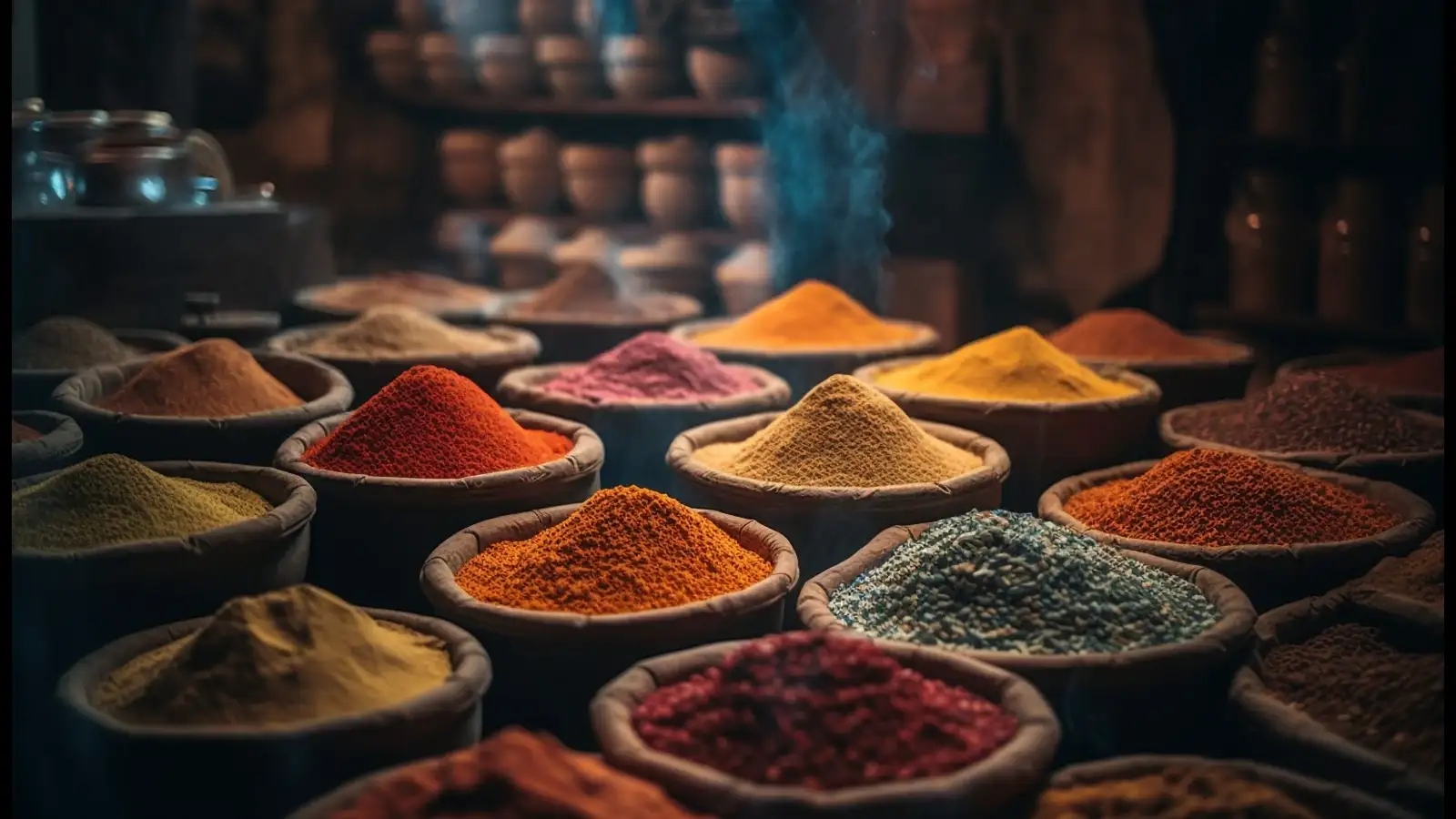
Temperature and rainfall also dictate the concentration of essential oils within the plant. High altitude farms with intense sunlight often produce seeds and barks with higher oil content, resulting in a far more potent flavour profile. A country's natural climate leaves an indelible mark on every harvest, ensuring that geographic origin directly shapes the strength and depth of what reaches your kitchen.
Drying methods also play a massive role in flavour development. Drying red chillies in the open sun under a Mediterranean sky creates a sweet, fruity undertone. Conversely, wood firing or smoke drying chillies, a common practice in parts of South America, infuses them with a rich, earthy smokiness. These traditional drying traditions explain why identical plant species develop wildly different taste profiles depending on regional post harvest habits.
In European kitchens, the same seeds are often ground raw into a fine powder and added directly to simmered stews, yielding a milder and softer note. Meanwhile, Latin American recipes frequently combine whole aromatic ingredients with citrus juices, where acid cuts through heavy oiliness and transforms the overall perception of heat. These distinct cooking methods ensure that even if two cooks start with the exact same ingredient, the final dish will deliver a unique regional experience.
Soil Composition, Climate, and Terroir
Just as wine grapes take on unique characteristics from their surrounding environment, spices are deeply influenced by terroir. Terroir refers to the environmental factors including soil composition, altitude, rainfall, and sunlight that shape a crop during its growth. The very same variety of cinnamon tree planted in rich volcanic soil in Indonesia will produce a bark with a strong, spicy kick, whereas Sri Lankan soil yields Ceylon cinnamon with a delicate, floral aroma.Temperature and rainfall also dictate the concentration of essential oils within the plant. High altitude farms with intense sunlight often produce seeds and barks with higher oil content, resulting in a far more potent flavour profile. A country's natural climate leaves an indelible mark on every harvest, ensuring that geographic origin directly shapes the strength and depth of what reaches your kitchen.
Harvesting Methods and Post Harvest Processing
The journey from farm to market involves crucial steps that fundamentally alter how the final ingredient tastes on your tongue. Harvesting techniques vary widely between nations. In some regions, farming communities pick crops by hand at the exact moment of peak ripeness, preserving fragile essential oils. In other places, mechanical harvesting gathers crops all at once, mixing ripe and unripe produce together.Drying methods also play a massive role in flavour development. Drying red chillies in the open sun under a Mediterranean sky creates a sweet, fruity undertone. Conversely, wood firing or smoke drying chillies, a common practice in parts of South America, infuses them with a rich, earthy smokiness. These traditional drying traditions explain why identical plant species develop wildly different taste profiles depending on regional post harvest habits.
Culinary Techniques and Cooking Methods
The final factor in this global flavour mystery rests in the hands of regional cooks. How a culture handles an ingredient during cooking transforms its chemical structure and alters how your palate experiences it. In Indian cooking, whole seeds are often toasted in hot oil or ghee, a process called blooming that releases aromatic compounds and creates a nutty, deep taste.In European kitchens, the same seeds are often ground raw into a fine powder and added directly to simmered stews, yielding a milder and softer note. Meanwhile, Latin American recipes frequently combine whole aromatic ingredients with citrus juices, where acid cuts through heavy oiliness and transforms the overall perception of heat. These distinct cooking methods ensure that even if two cooks start with the exact same ingredient, the final dish will deliver a unique regional experience.
Next Story