
How To Avoid Travel-Related Illnesses And Stay Healthy Throughout Your Journey

Travelling offers opportunities to explore new destinations, experience different cultures and create lasting memories. However, being away from familiar surroundings can also expose travellers to health risks that are not part of everyday life. Changes in climate, food, water quality, sleep patterns and daily routines can sometimes lead to illness, turning an enjoyable trip into an uncomfortable experience.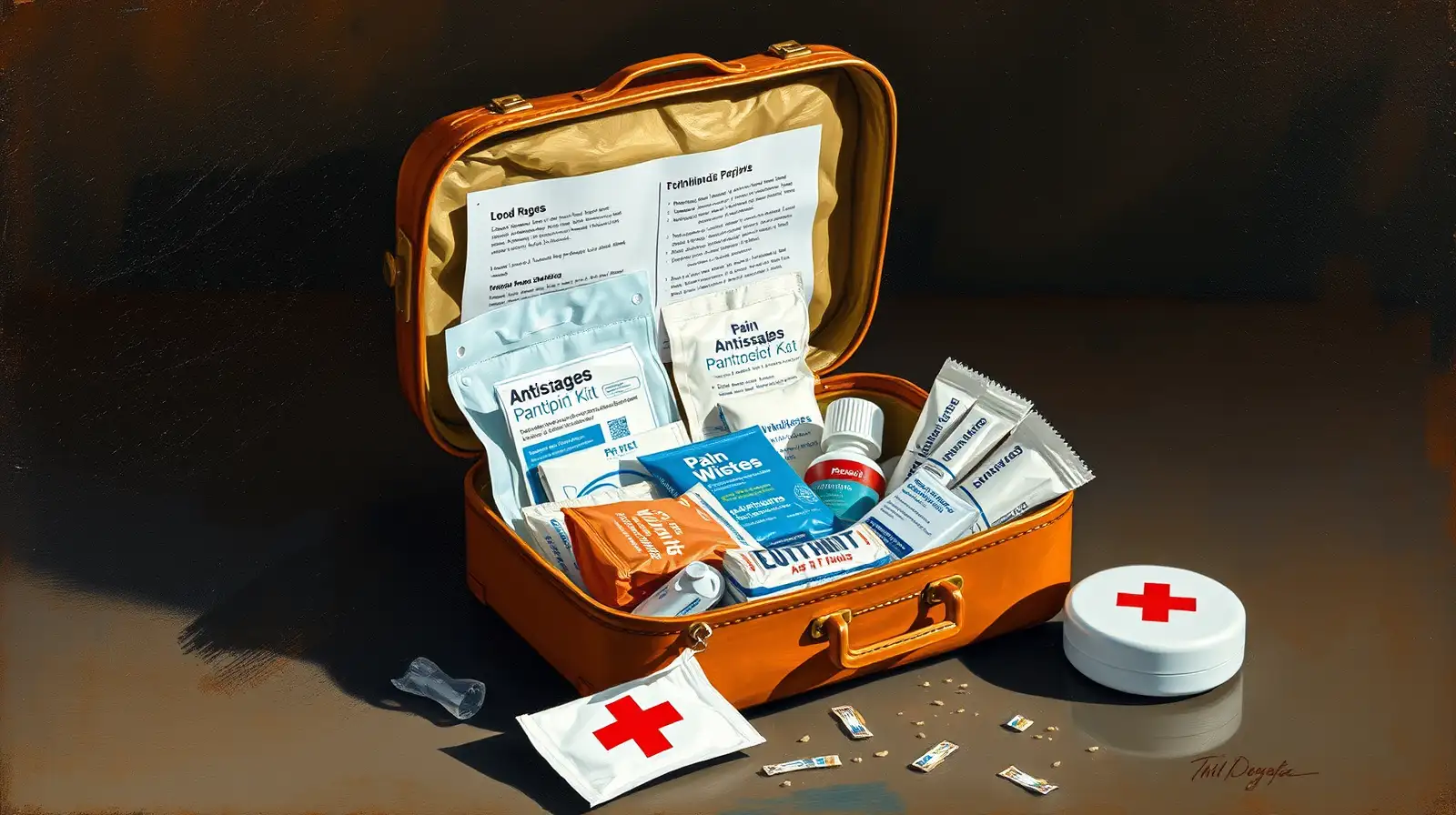
Whether travelling domestically or internationally, taking proactive steps to protect your health is just as important as planning accommodation and transport. Fortunately, most common travel-related illnesses can be prevented with preparation, awareness and sensible habits. By following a few practical precautions, travellers can reduce health risks and focus on enjoying their journey rather than recovering from sickness.
Researching your destination can help you understand potential health risks, weather conditions and local healthcare facilities. Travellers should also ensure they have adequate travel insurance and carry essential medications if required.
Packing a small health kit containing basic supplies such as pain relievers, adhesive bandages, hand sanitiser and any prescribed medicines can prove useful during unexpected situations.
Preparation is one of the most effective travel health tips for avoiding unnecessary health complications during a trip.
Travellers frequently come into contact with shared surfaces such as airport security trays, lift buttons, door handles and public transport handrails. Regular handwashing with soap and water remains one of the simplest and most effective ways to prevent illness.
When handwashing facilities are unavailable, alcohol-based hand sanitiser can provide an additional layer of protection. Avoiding unnecessary contact with the face, especially the eyes, nose and mouth, may further reduce exposure to germs.
Choosing freshly prepared meals from reputable establishments can help reduce risks. Food that has been left uncovered or stored at unsafe temperatures should generally be avoided.
When visiting destinations where water quality may be uncertain, travellers should consider drinking bottled or properly filtered water. Ice made from untreated water may also pose a risk in certain locations.
Safe eating and drinking habits play a crucial role in travel sickness prevention and can significantly reduce digestive problems during a trip.
Long flights, hot climates, outdoor activities and busy itineraries can all contribute to fluid loss. Even mild dehydration may cause fatigue, dizziness and headaches.
Carrying a reusable water bottle and drinking regularly throughout the day can help maintain hydration levels. Travellers should pay particular attention to fluid intake when spending extended periods outdoors or travelling in warm environments.
Proper hydration supports overall wellbeing and helps travellers feel more energetic during their journeys.
Early departures, overnight flights, time zone changes and packed schedules can disrupt normal sleep patterns. Insufficient rest may weaken the body's ability to cope with physical and environmental stress.
Whenever possible, travellers should aim to maintain a consistent sleep schedule and create a comfortable environment for rest. Eye masks, earplugs and neck pillows can be particularly helpful during long journeys.
Adequate sleep contributes significantly to healthy travel habits and overall resilience.
Mosquitoes and other biting insects may carry diseases in certain regions. Travellers spending time outdoors, particularly near forests, lakes or tropical areas, should take appropriate precautions.
Wearing long-sleeved clothing, using insect repellent and ensuring accommodation has adequate protection against insects can help minimise exposure.
Simple preventive measures can significantly reduce the likelihood of insect-related health concerns.
Regular movement helps maintain circulation, improve energy levels and support overall health. Travellers should try to stand, stretch and walk whenever opportunities arise.
Incorporating light exercise into daily travel routines, such as walking tours or short workouts, can also strengthen the immune system and support general wellbeing.
Staying healthy while travelling often involves maintaining a balanced level of physical activity.
High stress levels may affect sleep, digestion and overall wellbeing. Building extra time into travel plans, staying organised and maintaining realistic expectations can help reduce anxiety.
Simple relaxation techniques such as deep breathing, mindfulness exercises or listening to calming music may also help travellers remain relaxed and focused.
Managing stress effectively contributes to both mental and physical health throughout a journey.
Whether travelling domestically or internationally, taking proactive steps to protect your health is just as important as planning accommodation and transport. Fortunately, most common travel-related illnesses can be prevented with preparation, awareness and sensible habits. By following a few practical precautions, travellers can reduce health risks and focus on enjoying their journey rather than recovering from sickness.
Prepare Before You Travel
Good travel health begins long before departure.Researching your destination can help you understand potential health risks, weather conditions and local healthcare facilities. Travellers should also ensure they have adequate travel insurance and carry essential medications if required.
Packing a small health kit containing basic supplies such as pain relievers, adhesive bandages, hand sanitiser and any prescribed medicines can prove useful during unexpected situations.
Preparation is one of the most effective travel health tips for avoiding unnecessary health complications during a trip.
Practise Good Hand Hygiene
Hands are one of the most common ways germs spread.Travellers frequently come into contact with shared surfaces such as airport security trays, lift buttons, door handles and public transport handrails. Regular handwashing with soap and water remains one of the simplest and most effective ways to prevent illness.
When handwashing facilities are unavailable, alcohol-based hand sanitiser can provide an additional layer of protection. Avoiding unnecessary contact with the face, especially the eyes, nose and mouth, may further reduce exposure to germs.
Be Careful With Food And Water
Food and water-related illnesses are among the most common health issues experienced by travellers.Choosing freshly prepared meals from reputable establishments can help reduce risks. Food that has been left uncovered or stored at unsafe temperatures should generally be avoided.
When visiting destinations where water quality may be uncertain, travellers should consider drinking bottled or properly filtered water. Ice made from untreated water may also pose a risk in certain locations.
Safe eating and drinking habits play a crucial role in travel sickness prevention and can significantly reduce digestive problems during a trip.
Stay Hydrated Throughout Your Journey
Travelling often increases the risk of dehydration.Long flights, hot climates, outdoor activities and busy itineraries can all contribute to fluid loss. Even mild dehydration may cause fatigue, dizziness and headaches.
Carrying a reusable water bottle and drinking regularly throughout the day can help maintain hydration levels. Travellers should pay particular attention to fluid intake when spending extended periods outdoors or travelling in warm environments.
Proper hydration supports overall wellbeing and helps travellers feel more energetic during their journeys.
Prioritise Adequate Sleep
Sleep is often overlooked during travel planning.Early departures, overnight flights, time zone changes and packed schedules can disrupt normal sleep patterns. Insufficient rest may weaken the body's ability to cope with physical and environmental stress.
Whenever possible, travellers should aim to maintain a consistent sleep schedule and create a comfortable environment for rest. Eye masks, earplugs and neck pillows can be particularly helpful during long journeys.
Adequate sleep contributes significantly to healthy travel habits and overall resilience.
Protect Yourself From Insect Bites
In many destinations, insects can be more than just a nuisance.Mosquitoes and other biting insects may carry diseases in certain regions. Travellers spending time outdoors, particularly near forests, lakes or tropical areas, should take appropriate precautions.
Wearing long-sleeved clothing, using insect repellent and ensuring accommodation has adequate protection against insects can help minimise exposure.
Simple preventive measures can significantly reduce the likelihood of insect-related health concerns.
Keep Physically Active
Extended periods of sitting during flights, train journeys or road trips can contribute to fatigue and discomfort.Regular movement helps maintain circulation, improve energy levels and support overall health. Travellers should try to stand, stretch and walk whenever opportunities arise.
Incorporating light exercise into daily travel routines, such as walking tours or short workouts, can also strengthen the immune system and support general wellbeing.
Staying healthy while travelling often involves maintaining a balanced level of physical activity.
Manage Stress Effectively
Travel can sometimes be stressful, especially when dealing with delays, unfamiliar environments or unexpected disruptions.High stress levels may affect sleep, digestion and overall wellbeing. Building extra time into travel plans, staying organised and maintaining realistic expectations can help reduce anxiety.
Simple relaxation techniques such as deep breathing, mindfulness exercises or listening to calming music may also help travellers remain relaxed and focused.
Managing stress effectively contributes to both mental and physical health throughout a journey.
Avoid Overexertion
Many travellers try to maximise every moment of their trip, often resulting in packed schedules and insufficient recovery time.Next Story