
How To Balance Taste And Health In Cooking Without Compromising Flavour Every Day

Many people believe healthy food lacks flavour, while tasty meals are often considered unhealthy. In reality, balancing taste and nutrition is not as difficult as it seems. Smart cooking choices, fresh ingredients and mindful preparation can help create meals that satisfy both the palate and the body.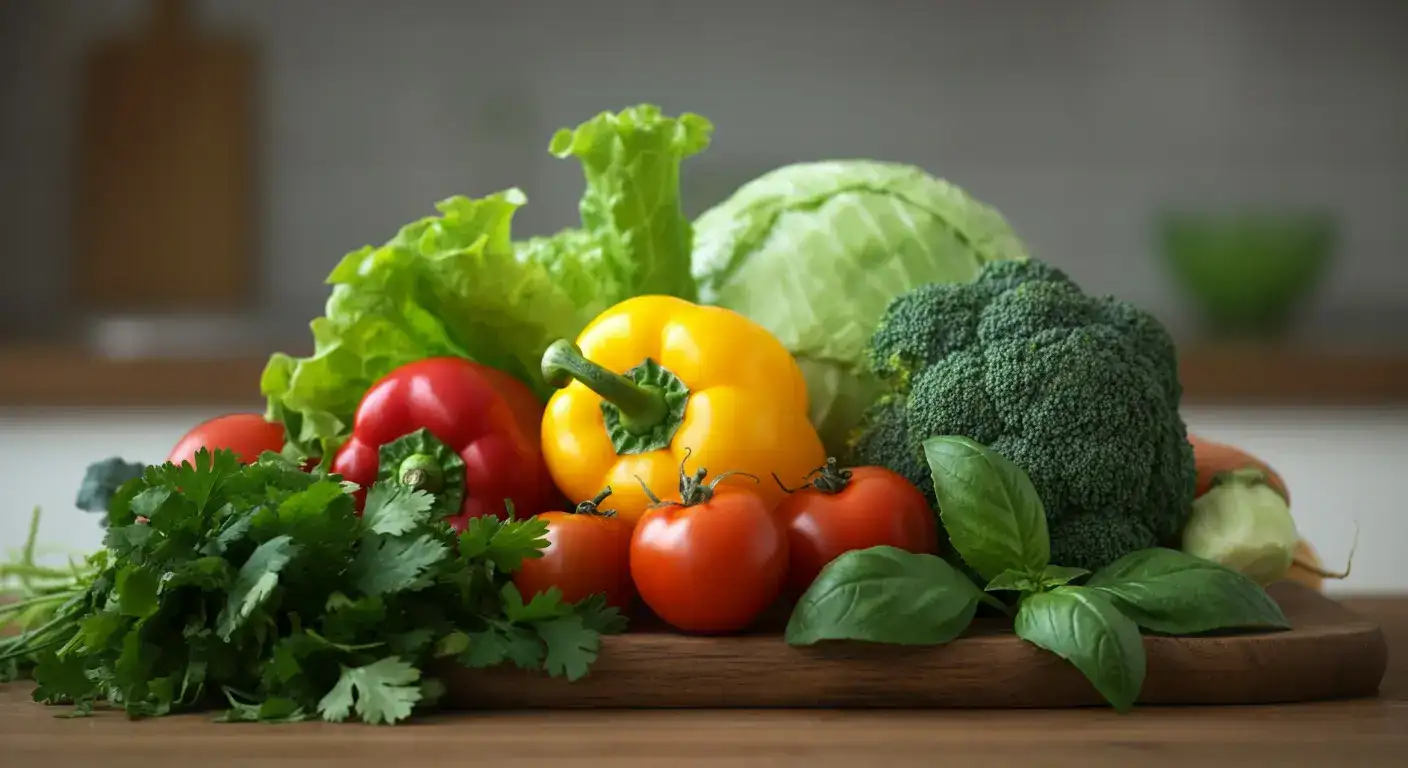
Modern lifestyles have increased the demand for convenient and flavourful food, but growing awareness around wellness has also encouraged people to rethink their eating habits. The good news is that healthy cooking does not require extreme dieting or removing favourite foods completely. Small adjustments in the kitchen can make meals more nutritious while still keeping them enjoyable.
Understanding how ingredients, cooking methods and seasoning work together is the key to preparing balanced diet meals that support long-term wellbeing.
Fresh tomatoes, garlic, coriander, ginger and lemon can instantly enhance dishes without relying heavily on processed sauces or excessive salt. Seasonal produce also tends to have better texture and richer taste, making meals more satisfying.
Choosing fresh ingredients helps reduce dependence on artificial flavour enhancers and packaged foods that may contain high amounts of sodium, sugar or preservatives.
Using healthier oils in smaller quantities and choosing cooking techniques like grilling, roasting, steaming or sautéing can help maintain flavour while reducing heaviness. Non-stick cookware and controlled heat can also prevent the need for extra oil.
Roasted vegetables, lightly stir-fried dishes and grilled foods often develop deeper natural flavours, proving that healthy cooking tips do not always involve sacrificing taste.
Spices not only improve taste but may also offer additional health-supporting properties. Instead of depending on excess butter, sugar or salt for flavour, seasoning meals creatively can make healthier dishes more enjoyable.
Fresh herbs added at the end of cooking can also brighten flavours naturally and improve presentation.
A more practical approach is portion balance. Enjoying favourite dishes in moderation while increasing vegetables, lean proteins and fibre-rich foods can help create healthier meals overall.
For example, pairing smaller portions of rich curries with salads, grilled vegetables or whole grains can improve nutritional balance without reducing enjoyment.
Healthy eating habits are easier to maintain when meals remain satisfying and realistic for everyday life.
Steaming helps preserve nutrients in vegetables, while roasting enhances sweetness and depth of flavour naturally. Slow cooking allows spices and ingredients to blend well without needing excessive fat or artificial flavouring.
Experimenting with different cooking techniques can make home-cooked meals more exciting and varied.
Natural sweeteners from fruits, dates or cinnamon can add flavour to desserts and breakfast dishes. Lemon juice, herbs and spices can also compensate for reduced salt in savoury meals.
Over time, people often begin to appreciate the natural flavours of ingredients more clearly, reducing dependence on highly processed foods.
Lentils, beans, eggs, yoghurt, nuts and lean meats can provide protein, while vegetables, fruits and whole grains contribute fibre. Combining these ingredients thoughtfully can improve texture and flavour while supporting overall nutrition.
Nutritious cooking ideas often become more enjoyable when meals are colourful, balanced and varied rather than repetitive or restrictive.
Adding garnishes like fresh herbs, seeds or citrus slices can improve both flavour and appearance. Even simple home-cooked meals can feel more exciting with attention to texture and colour balance.
Cooking for wellness should not feel like a punishment. Creating visually attractive meals can make healthy eating more enjoyable for both adults and children.
Preparing meals at home more frequently, reducing processed foods gradually and experimenting with nutritious ingredients can make a major difference over time. Cooking with balance allows people to enjoy their meals while still supporting their health goals.
The idea is not to choose between taste and nutrition but to combine both intelligently. With thoughtful ingredients, proper seasoning and mindful cooking methods, it is possible to create meals that are wholesome, comforting and full of flavour every day.
Modern lifestyles have increased the demand for convenient and flavourful food, but growing awareness around wellness has also encouraged people to rethink their eating habits. The good news is that healthy cooking does not require extreme dieting or removing favourite foods completely. Small adjustments in the kitchen can make meals more nutritious while still keeping them enjoyable.
Understanding how ingredients, cooking methods and seasoning work together is the key to preparing balanced diet meals that support long-term wellbeing.
Use Fresh Ingredients For Natural Flavour
Fresh ingredients are one of the easiest ways to improve both nutrition and taste. Vegetables, herbs, fruits and whole foods naturally contain flavours that become more noticeable when prepared properly.Fresh tomatoes, garlic, coriander, ginger and lemon can instantly enhance dishes without relying heavily on processed sauces or excessive salt. Seasonal produce also tends to have better texture and richer taste, making meals more satisfying.
Choosing fresh ingredients helps reduce dependence on artificial flavour enhancers and packaged foods that may contain high amounts of sodium, sugar or preservatives.
Reduce Oil Without Losing Taste
Oil plays an important role in cooking, but excessive use can increase calorie intake unnecessarily. Instead of completely removing oil, moderation is often the better approach.Using healthier oils in smaller quantities and choosing cooking techniques like grilling, roasting, steaming or sautéing can help maintain flavour while reducing heaviness. Non-stick cookware and controlled heat can also prevent the need for extra oil.
Roasted vegetables, lightly stir-fried dishes and grilled foods often develop deeper natural flavours, proving that healthy cooking tips do not always involve sacrificing taste.
Add Herbs And Spices Generously
Herbs and spices are among the most effective tools for creating flavourful healthy food . Ingredients such as cumin, turmeric, cinnamon, basil, oregano, black pepper and mint can transform simple dishes into aromatic meals.Spices not only improve taste but may also offer additional health-supporting properties. Instead of depending on excess butter, sugar or salt for flavour, seasoning meals creatively can make healthier dishes more enjoyable.
Fresh herbs added at the end of cooking can also brighten flavours naturally and improve presentation.
Balance Portions Instead Of Avoiding Foods Completely
One of the biggest mistakes people make while trying to eat healthy is removing all indulgent foods from their diet. Strict restrictions often lead to cravings and unsustainable eating patterns.A more practical approach is portion balance. Enjoying favourite dishes in moderation while increasing vegetables, lean proteins and fibre-rich foods can help create healthier meals overall.
For example, pairing smaller portions of rich curries with salads, grilled vegetables or whole grains can improve nutritional balance without reducing enjoyment.
Healthy eating habits are easier to maintain when meals remain satisfying and realistic for everyday life.
Focus On Cooking Methods
The way food is cooked can significantly affect both flavour and nutrition. Deep frying may add crispness, but baking or air frying can often achieve similar textures with less oil.Steaming helps preserve nutrients in vegetables, while roasting enhances sweetness and depth of flavour naturally. Slow cooking allows spices and ingredients to blend well without needing excessive fat or artificial flavouring.
Experimenting with different cooking techniques can make home-cooked meals more exciting and varied.
Reduce Sugar And Salt Gradually
Sudden changes in flavour can make healthy food feel less appealing. Instead of removing sugar or salt completely, gradual reduction helps the palate adjust over time.Natural sweeteners from fruits, dates or cinnamon can add flavour to desserts and breakfast dishes. Lemon juice, herbs and spices can also compensate for reduced salt in savoury meals.
Over time, people often begin to appreciate the natural flavours of ingredients more clearly, reducing dependence on highly processed foods.
Include Protein And Fibre In Every Meal
Meals that combine protein and fibre tend to feel more filling and satisfying. This reduces unnecessary snacking and helps maintain energy levels throughout the day.Lentils, beans, eggs, yoghurt, nuts and lean meats can provide protein, while vegetables, fruits and whole grains contribute fibre. Combining these ingredients thoughtfully can improve texture and flavour while supporting overall nutrition.
You may also like
- Australian woman finds two giant pythons in ceiling; video goes viral
- Brain Cancer Signs: Does your head often burst with pain? This serious illness, not stress, could be the cause
- How Neonatal Opioid Withdrawal Syndrome Is Treated and Managed
- LIC vs. Mutual Funds: Choose Security or Spectacular Returns? Find Out Which Option Is Right for You...
- SIP Calculation: When Will a ₹1,000 SIP Make You a Lakhpati—And How Long Must You Invest?
Nutritious cooking ideas often become more enjoyable when meals are colourful, balanced and varied rather than repetitive or restrictive.
Make Healthy Food Visually Appealing
Presentation can influence how enjoyable food feels. Bright vegetables, colourful salads and neatly arranged meals often appear more appetising and satisfying.Adding garnishes like fresh herbs, seeds or citrus slices can improve both flavour and appearance. Even simple home-cooked meals can feel more exciting with attention to texture and colour balance.
Cooking for wellness should not feel like a punishment. Creating visually attractive meals can make healthy eating more enjoyable for both adults and children.
Create Sustainable Eating Habits
Long-term health depends more on consistency than perfection. Occasional indulgences are part of a balanced lifestyle, and healthy cooking should focus on sustainable habits rather than strict rules.Preparing meals at home more frequently, reducing processed foods gradually and experimenting with nutritious ingredients can make a major difference over time. Cooking with balance allows people to enjoy their meals while still supporting their health goals.
The idea is not to choose between taste and nutrition but to combine both intelligently. With thoughtful ingredients, proper seasoning and mindful cooking methods, it is possible to create meals that are wholesome, comforting and full of flavour every day.






More from our partners


Loving Newspoint? Download the app now
