
How To Build A DIY Cat Tree Or Play Tower That Keeps Your Feline Active And Entertained

Cats naturally love to climb, jump, scratch and explore elevated spaces. In the wild, higher vantage points help them observe their surroundings and feel secure. Even indoor cats retain these instincts, which is why cat trees and play towers have become popular additions to many homes.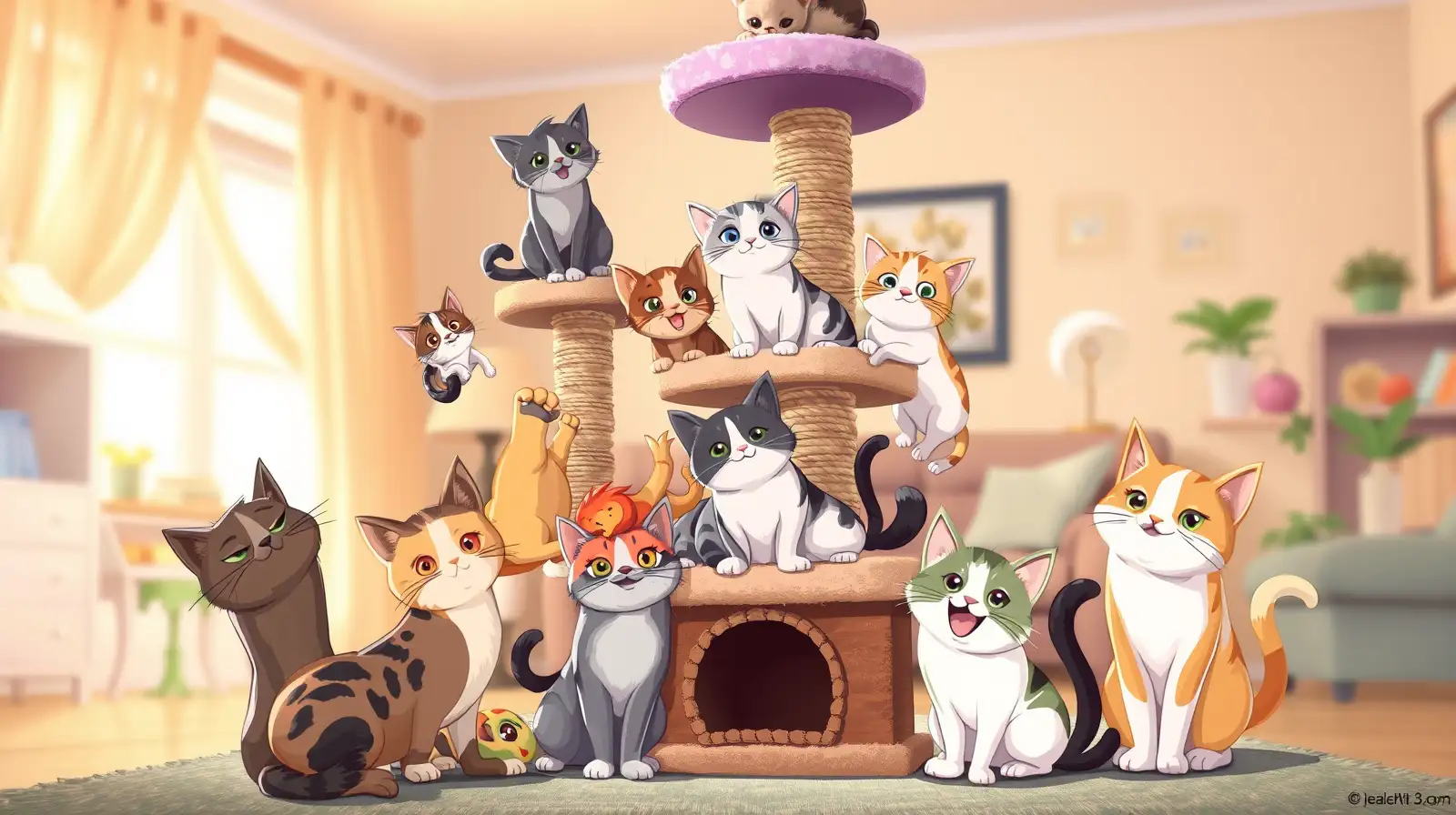
While commercial cat furniture is widely available, building a DIY cat tree offers several advantages. It allows pet owners to customise the structure according to available space, their cat's personality and their budget. With some basic materials, careful planning and a little creativity, it is possible to create a fun and functional play area that keeps cats mentally and physically stimulated.
Indoor cats often have fewer opportunities to climb compared to outdoor cats. A cat tree helps compensate for this by giving them vertical space to explore. It can also reduce boredom, minimise destructive scratching and create a comfortable resting area.
For households with multiple cats, elevated platforms can help reduce competition for space by providing additional territory.
Measure the available area and consider ceiling height if you plan to build a tall structure. Think about your cat's age, size and activity level. Young and energetic cats may enjoy multiple climbing levels, while older cats may benefit from lower platforms and gentler access points.
Sketching a basic design beforehand can help prevent mistakes during construction.
Common materials include:
• Plywood or sturdy wooden boards for platforms
• Wooden posts or thick cardboard tubes for support columns
• Sisal rope for scratching surfaces
• Carpet remnants or pet-friendly fabric for covering platforms
• Screws, brackets and wood glue for stability
• Soft cushions or foam padding for resting areas
Choosing durable materials is important because the structure must safely support the cat's weight during climbing and jumping.
Start with a thick wooden board that is wide enough to prevent tipping. The larger and taller the structure, the heavier the base should be.
Attach support posts securely using screws and brackets. Stability should always take priority over appearance. A wobbly cat tower can discourage use and may pose a safety risk.
Position platforms at varying levels to create climbing opportunities. Ensure there is enough space between levels for comfortable movement.
Some owners choose to include:
• Observation perches near windows
• Hidden resting boxes
• Small tunnels
• Suspended toys
• Hammocks for lounging
These additions can transform a simple tower into a complete entertainment centre.
Wrapping support posts with sisal rope creates durable scratching surfaces that encourage healthy scratching habits. Secure the rope tightly and ensure there are no loose sections that could become hazards.
Providing dedicated scratching areas may also help protect furniture and carpets elsewhere in the home.
Cover platforms with soft, pet-friendly materials that provide grip and cushioning. Avoid fabrics that become slippery or fray easily.
Adding washable cushions or blankets can make resting spots more inviting. Many cats quickly adopt elevated platforms as favourite sleeping locations.
Check all screws, brackets and joints carefully before allowing your cat to use the structure. There should be no exposed sharp edges, loose materials or unstable platforms.
If the tower is particularly tall, consider anchoring it to a wall for additional security. Regular inspections can help identify wear and tear before it becomes a problem.
Using non-toxic adhesives and finishes is also important because cats often chew or rub against surfaces.
While commercial cat furniture is widely available, building a DIY cat tree offers several advantages. It allows pet owners to customise the structure according to available space, their cat's personality and their budget. With some basic materials, careful planning and a little creativity, it is possible to create a fun and functional play area that keeps cats mentally and physically stimulated.
Why Cats Benefit From A Cat Tree
A well-designed cat climbing tower serves multiple purposes. It provides opportunities for exercise, encourages natural behaviours and offers a safe retreat away from household activity.Indoor cats often have fewer opportunities to climb compared to outdoor cats. A cat tree helps compensate for this by giving them vertical space to explore. It can also reduce boredom, minimise destructive scratching and create a comfortable resting area.
For households with multiple cats, elevated platforms can help reduce competition for space by providing additional territory.
Planning Your DIY Cat Tree
Before gathering materials, it is important to decide where the cat tree will be placed.Measure the available area and consider ceiling height if you plan to build a tall structure. Think about your cat's age, size and activity level. Young and energetic cats may enjoy multiple climbing levels, while older cats may benefit from lower platforms and gentler access points.
Sketching a basic design beforehand can help prevent mistakes during construction.
Materials You May Need
Building a homemade cat furniture project does not require expensive supplies. Many materials can be sourced from local hardware stores or repurposed from unused household items.Common materials include:
• Plywood or sturdy wooden boards for platforms
• Wooden posts or thick cardboard tubes for support columns
• Sisal rope for scratching surfaces
• Carpet remnants or pet-friendly fabric for covering platforms
• Screws, brackets and wood glue for stability
• Soft cushions or foam padding for resting areas
Choosing durable materials is important because the structure must safely support the cat's weight during climbing and jumping.
Creating A Stable Base
The base is the most important part of any DIY cat tree because it determines overall stability.Start with a thick wooden board that is wide enough to prevent tipping. The larger and taller the structure, the heavier the base should be.
Attach support posts securely using screws and brackets. Stability should always take priority over appearance. A wobbly cat tower can discourage use and may pose a safety risk.
Building Multiple Levels
Cats enjoy moving between different heights, so adding several platforms can make the structure more engaging.Position platforms at varying levels to create climbing opportunities. Ensure there is enough space between levels for comfortable movement.
Some owners choose to include:
• Observation perches near windows
• Hidden resting boxes
• Small tunnels
• Suspended toys
• Hammocks for lounging
These additions can transform a simple tower into a complete entertainment centre.
Adding Scratching Areas
Scratching is a natural behaviour that helps cats maintain their claws and mark territory.Wrapping support posts with sisal rope creates durable scratching surfaces that encourage healthy scratching habits. Secure the rope tightly and ensure there are no loose sections that could become hazards.
Providing dedicated scratching areas may also help protect furniture and carpets elsewhere in the home.
Making The Structure Comfortable
Comfort plays an important role in whether a cat regularly uses its new play tower.Cover platforms with soft, pet-friendly materials that provide grip and cushioning. Avoid fabrics that become slippery or fray easily.
Adding washable cushions or blankets can make resting spots more inviting. Many cats quickly adopt elevated platforms as favourite sleeping locations.
Safety Should Always Come First
Safety is essential when building any cat play tower .Check all screws, brackets and joints carefully before allowing your cat to use the structure. There should be no exposed sharp edges, loose materials or unstable platforms.
If the tower is particularly tall, consider anchoring it to a wall for additional security. Regular inspections can help identify wear and tear before it becomes a problem.
Using non-toxic adhesives and finishes is also important because cats often chew or rub against surfaces.
Next Story