
How To Build A Weekly Menu That Keeps Every Meal Fresh And Exciting

The Smart Way To Plan A Weekly Menu Without Repeating The Same Dishes
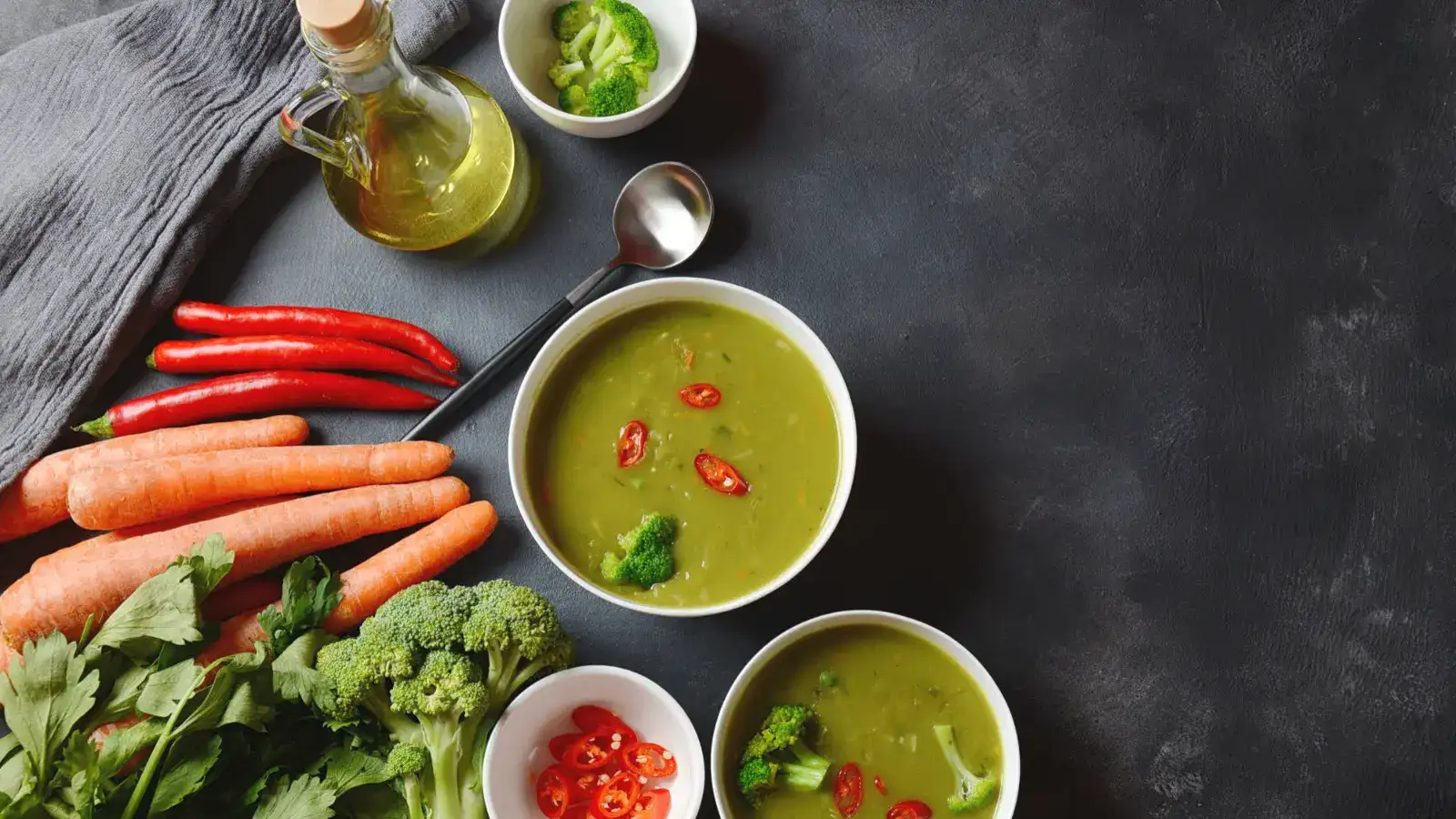
Tired Of Repeating Meals? Create A Weekly Menu Everyone Will Look Forward To
A Practical Guide To Building A Weekly Menu With Variety And Balance
SEO Keywords
weekly menu planning , meal planning tips , healthy meal ideas , family meal plan , weekly meal schedule , balanced diet meals
Meta Description
Learn how to build a weekly menu without repeating dishes using simple meal planning strategies that save time and add variety.
Synopsis
How To Build A Weekly Menu That Doesn’t Repeat Dishes
Planning meals for an entire week can often feel like a challenge, especially when trying to avoid serving the same dishes repeatedly. Many households fall into the habit of rotating a small group of familiar recipes, which can make mealtimes predictable and uninspiring. However, creating a weekly menu filled with variety does not require advanced cooking skills or a huge grocery budget. By using a structured approach to meal planning, varying ingredients and exploring different cooking styles, it becomes possible to serve exciting meals every day. A thoughtful menu can also help reduce food waste, simplify shopping and ensure a more balanced diet for the entire family.
Start With Meal Categories Instead Of Specific Dishes
One of the easiest ways to avoid repetition is to organise meals by category rather than selecting dishes immediately.For example, assign each day a different theme:
• Monday – Vegetarian meal
• Tuesday – Pasta or noodles
• Wednesday – Rice-based dish
• Thursday – Grilled meal
• Friday – International cuisine
• Saturday – Family favourite
• Sunday – Comfort food
This method creates variety automatically because each day follows a different style of cooking. It also makes weekly menu planning less stressful because the options become more focused.
Rotate Your Main Protein Sources
A common reason menus become repetitive is the overuse of the same protein ingredient.Try rotating protein choices throughout the week. For example:
• Lentils and beans
• Chicken
• Fish
• Eggs
• Paneer or tofu
• Lean meat
• Plant-based alternatives
Changing the primary protein creates completely different meal experiences even when similar vegetables or side dishes are used. This approach also contributes to balanced diet meals and helps maintain nutritional diversity.
Use Different Cooking Methods
The same ingredient can feel entirely new depending on how it is prepared.Consider a simple ingredient such as potatoes. They can be:
• Roasted
• Mashed
• Grilled
• Stir-fried
• Baked
• Added to soups
Likewise, chicken can be roasted one day, used in a curry another day and turned into a stir-fry later in the week.
Varying cooking techniques helps create healthy meal ideas without requiring an extensive list of ingredients.
Explore Different Regional And Global Flavours
A powerful way to keep meals interesting is to introduce different cuisines into your weekly meal schedule.For instance:
• Indian dishes on one day
• Mediterranean-inspired meals on another
• Asian noodle recipes later in the week
• Mexican-style bowls or wraps for variety
The use of different herbs, spices and sauces can transform everyday ingredients into entirely new meals. Even a simple rice dish can feel unique when flavoured differently.
Build Menus Around Seasonal Produce
Seasonal fruits and vegetables naturally encourage menu diversity.Fresh produce changes throughout the year, providing opportunities to experiment with new recipes and ingredients. Seasonal foods are often more affordable and flavourful, making them an excellent foundation for a family meal plan.
When shopping, choose a variety of colours and textures. This not only improves nutritional value but also keeps meals visually appealing.
Plan Leftovers Creatively
Many people repeat meals because leftovers are simply reheated and served again.Instead, transform leftovers into new dishes.
Examples include:
• Roasted vegetables becoming a wrap filling
• Cooked rice turning into fried rice
• Grilled chicken becoming a salad topping
• Lentils being used in soups or patties
This strategy reduces food waste while ensuring that meals feel fresh rather than repetitive.
Balance Familiar Meals With New Recipes
While variety is important, introducing too many unfamiliar dishes at once can be overwhelming.A useful rule is to combine familiar meals with one or two new recipes each week. This balance allows family members to enjoy trusted favourites while gradually expanding their food choices.
Keeping a collection of successful recipes can make future meal planning tips easier to implement.
Create A Flexible Weekly Structure
A successful menu should be organised but not rigid.Unexpected events, social commitments or changes in appetite can affect meal plans. Leave room for flexibility by having a few versatile ingredients available, such as:
• Eggs
• Frozen vegetables
• Whole grains
• Beans
• Yoghurt
These items can be quickly turned into nutritious meals when plans change.
Flexibility prevents stress and makes it easier to stick with long-term meal planning habits.
Keep A Record Of Previous Menus
Many households accidentally repeat dishes because they forget what they served recently.Maintaining a simple menu notebook or digital record can help track meals from previous weeks. Reviewing past menus before planning the next week ensures a wider rotation of recipes.
Over time, this record becomes a valuable resource filled with proven meal ideas that suit your household's preferences.
Focus On Variety Across The Entire Week
Rather than analysing each meal individually, look at the overall week.You may also like
- Common Challenges Parents Face While Raising Twins
- This iconic heritage train lets you ride with your legs hanging out; here's what travellers need to know
- PM Ujjwala Yojana: LPG price hiked by ₹29; will Ujjwala cylinders also cost more?
- Salvador Dalí's Unique Ashtray Design for Air India: A Surreal Story
- Exploring Swiss Parenting Techniques for Better Child Development
Ask yourself:
• Are different vegetables being used?
• Are protein sources varied?
• Are cooking methods changing?
• Is there a mix of cuisines?
• Are meals balanced nutritionally?
When viewed as a whole, a menu becomes easier to diversify without adding complexity.
A well-designed weekly menu is not about creating elaborate dishes every day. It is about introducing enough variety to keep meals enjoyable while remaining practical and manageable. By rotating ingredients, experimenting with cooking methods, embracing different cuisines and planning creatively, anyone can develop a weekly menu that feels fresh throughout the week. With consistent practice, meal planning becomes less of a chore and more of a tool for healthier eating, better organisation and more enjoyable mealtimes.






More from our partners


Loving Newspoint? Download the app now
